
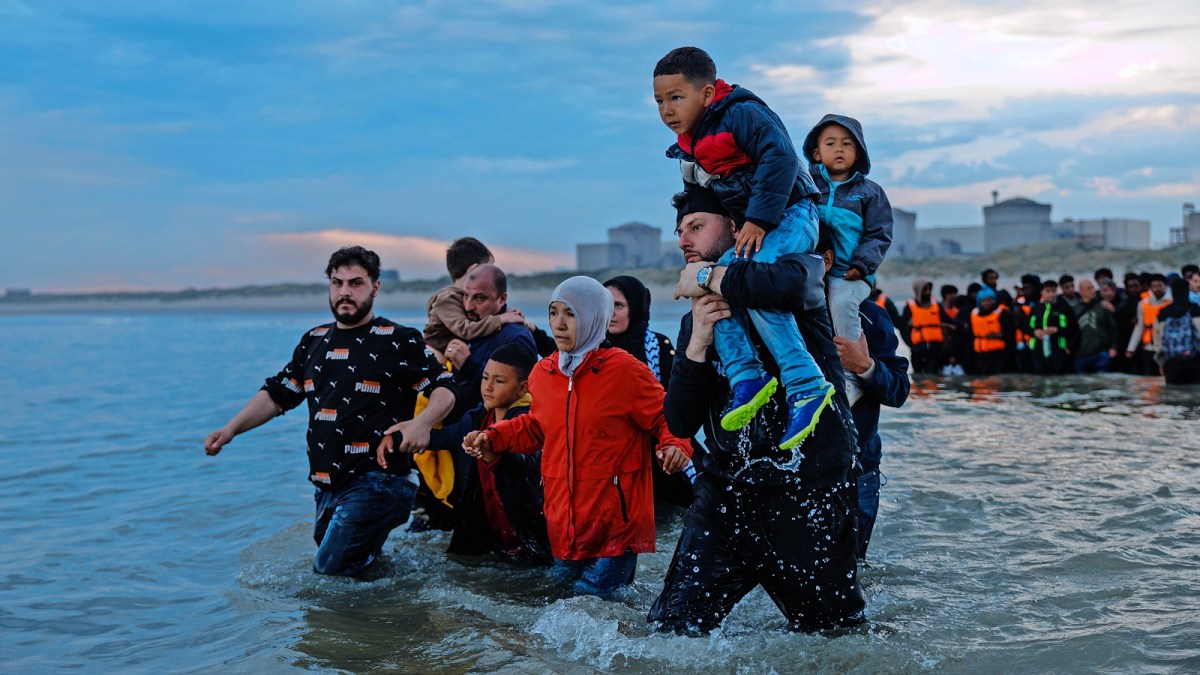
Sir Keir Starmer is facing calls from Labour grandees and ministers to take a more radical approach to the small boats crisis amid mounting public concern about the government’s handling of the issue.
A YouGov poll for The Times found that 71 per cent of voters believe that the prime minister is handling the asylum hotel issue badly, including 56 per cent of Labour voters.
Nearly four in ten voters (37 per cent) said that immigration and asylum was the most important issue facing the country, compared with 25 per cent who said it was the economy and 7 per cent health.
The prime minister is under pressure after the High Court granted an injunction that will force the Home Office to relocate up to 138 male asylum seekers from a hotel in Epping in a matter of days.
Dozens of other authorities have threatened similar action and the Home Office has warned that it risks undermining the government’s entire asylum policy.
In a bid to address concerns, Yvette Cooper, the home secretary, this weekend announced plans to overhaul the asylum appeal system to deport asylum seekers faster.
The government will also begin placing adverts in France highlighting a new “one in, one out” treaty, which will send small boat migrants back to France in exchange for individuals who have the right to come to the UK.
Lord Blunkett, a former Labour home secretary, said the government needed to take more “radical” action and suggested it was failing to “grip” the issue. He called for the government to suspend the European Convention on Human Rights and the UN Refugee Convention to help deal with the issue while bringing in a digital national identity scheme.

Lord Blunkett said it would be challenging for Labour to regain the public’s trust on immigration without radical measures
JOSHUA BRATT FOR THE SUNDAY TIMES
He said: “I think that the individual measures the government has taken are extremely helpful in their own right but don’t add up either to a comprehensive answer or an understandable narrative.
“At the moment the issue is so toxic and beginning to get out of the government’s grip to the point it is very hard to bring it back. A further package of actions is absolutely vital to start controlling both the public narrative and the delivery.
“If this slips out of our hands, it’s incredibly difficult to pull it back. Once people have got it in their heads that the government haven’t a grip and that this is an intractable problem, they will turn on you. That is meat and drink. It’s the old cry, ‘For god’s sake, do something’.”
Cabinet ministers are also increasingly concerned about the government’s response. In March Cooper commissioned a review of Article 8 of the European Convention on Human Rights amid concerns that it is being exploited by asylum seekers to block their deportations.
One minister questioned why the review was taking so long. “We don’t have solutions that match the scale of the problem,” they said. “We have to do something on Article 8.” The review is expected to report back late in the autumn.
On Tuesday Nigel Farage, the Reform UK leader, will announce plans for the “mass deportation” of hundreds of thousands of asylum seekers, if his party gets into power. He said they would be arrested on arrival in the UK, detained on disused military bases and deported within 30 days.
The UK would leave the European Convention on Human Rights and scrap the Human Rights Act, replacing it with a British bill of rights. It would also derogate from other international treaties. Reform said it would seek deals with countries like Afghanistan and Eritrea, despite concerns about their human rights records.
British overseas territories such as Ascension Island would be used as a “fallback”, while Farage would also seek to sign deals with third countries such as Rwanda.
Blunkett said that he was not in favour of leaving the ECHR but said he was in favour of “temporary suspension”.
“It’s not unprecedented,” he said. “It’s a blunderbuss measure but sometimes things have moved so rapidly you need to indicate decisive action.”
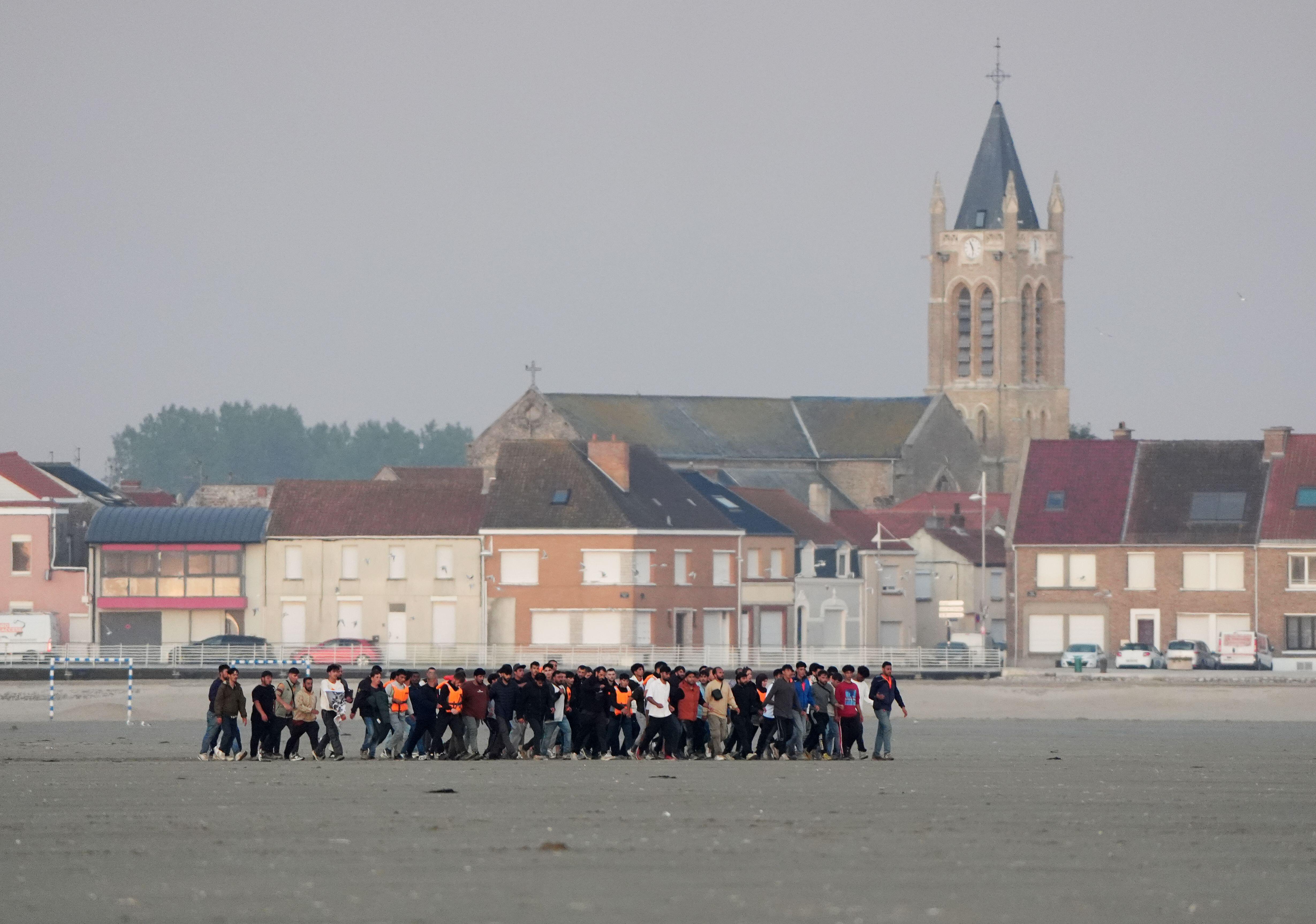
Would-be migrants in Gravelines
ALAMY
He called for a digital identity card scheme, which proponents have said could tackle illegal immigration by stopping people working in the black economy. France has long pressed Britain to do more to tackle people working in the UK illegally, and Blunkett said it could unlock greater co-operation, including a scheme to license the sale of boats.
Angela Eagle, the border security minister, highlighted efforts to tackle criminal gangs and the new treaty between the UK and France, along with a new returns agreement with Iraq.
She said: “We’re future-proofing for the months and years ahead through our Border Security, Asylum and Immigration Bill that will apply counterterrorism-style laws to organised immigration crime to ensure we never go back to the sheer chaos we inherited.”
The YouGov poll found that Reform UK was seen as the party that would handle asylum and immigration “best”. Nearly a third of voters (31 per cent) said Reform was best-placed, including 16 per cent of those who backed Labour at the last election. Just 9 per cent said Labour would handle the immigration issue best and 6 per cent favoured the Tories.