
Your support helps us to tell the story
From reproductive rights to climate change to Big Tech, The Independent is on the ground when the story is developing. Whether it’s investigating the financials of Elon Musk’s pro-Trump PAC or producing our latest documentary, ‘The A Word’, which shines a light on the American women fighting for reproductive rights, we know how important it is to parse out the facts from the messaging.
At such a critical moment in US history, we need reporters on the ground. Your donation allows us to keep sending journalists to speak to both sides of the story.
The Independent is trusted by Americans across the entire political spectrum. And unlike many other quality news outlets, we choose not to lock Americans out of our reporting and analysis with paywalls. We believe quality journalism should be available to everyone, paid for by those who can afford it.
Your support makes all the difference.Read more
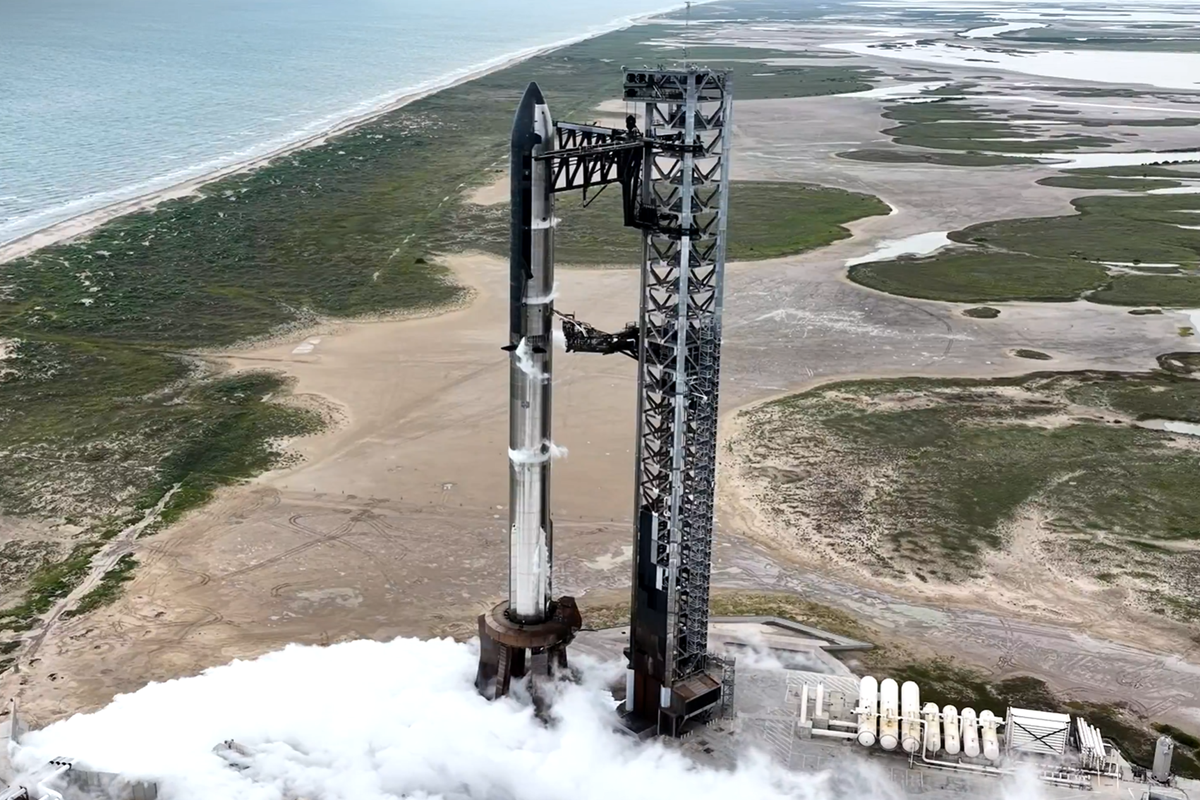
SpaceX has once again scrubbed the latest test launch of its Mars-bound Starship rocket in yet another setback for Elon Musk’s hope of making it to the Red Planet before the end of the decade.
The countdown for the tenth Starship flight test in southern Texas on Monday evening was paused with 40 seconds left on the clock, with the launch director eventually choosing to abort the attempt due to poor weather conditions.
It follows a similar failed launch attempt on Sunday evening, which had to be postponed due to “an issue with ground systems” at SpaceX’s Starbase facility.
SpaceX is now preparing another launch attempt on Tuesday evening at 6:30pm local time (Wednesday, 12:30am BST).
It marks the fourth flight test of 2025, with all three of the previous efforts ending in failure for the upper stage rocket.
Starship is the biggest and most powerful rocket ever built, measuring more than 120 metres tall when fully stacked.
The SpaceX boss described it as “alien-level technology” that is aiming to achieve something that no other rocket has even attempted.
“We want to be a multi-planet species to extend consciousness beyond Earth, I think for two main reasons. One is to ensure the long-term survival and prosperity of life as we know it,” Mr Musk said during a live stream of Monday’s launch attempt.
“There also needs to be things that are inspiring and exciting and that give you reason to live… A future where we’re a space-faring civilisation is infinitely more exciting than one where we are not.”
open image in gallery
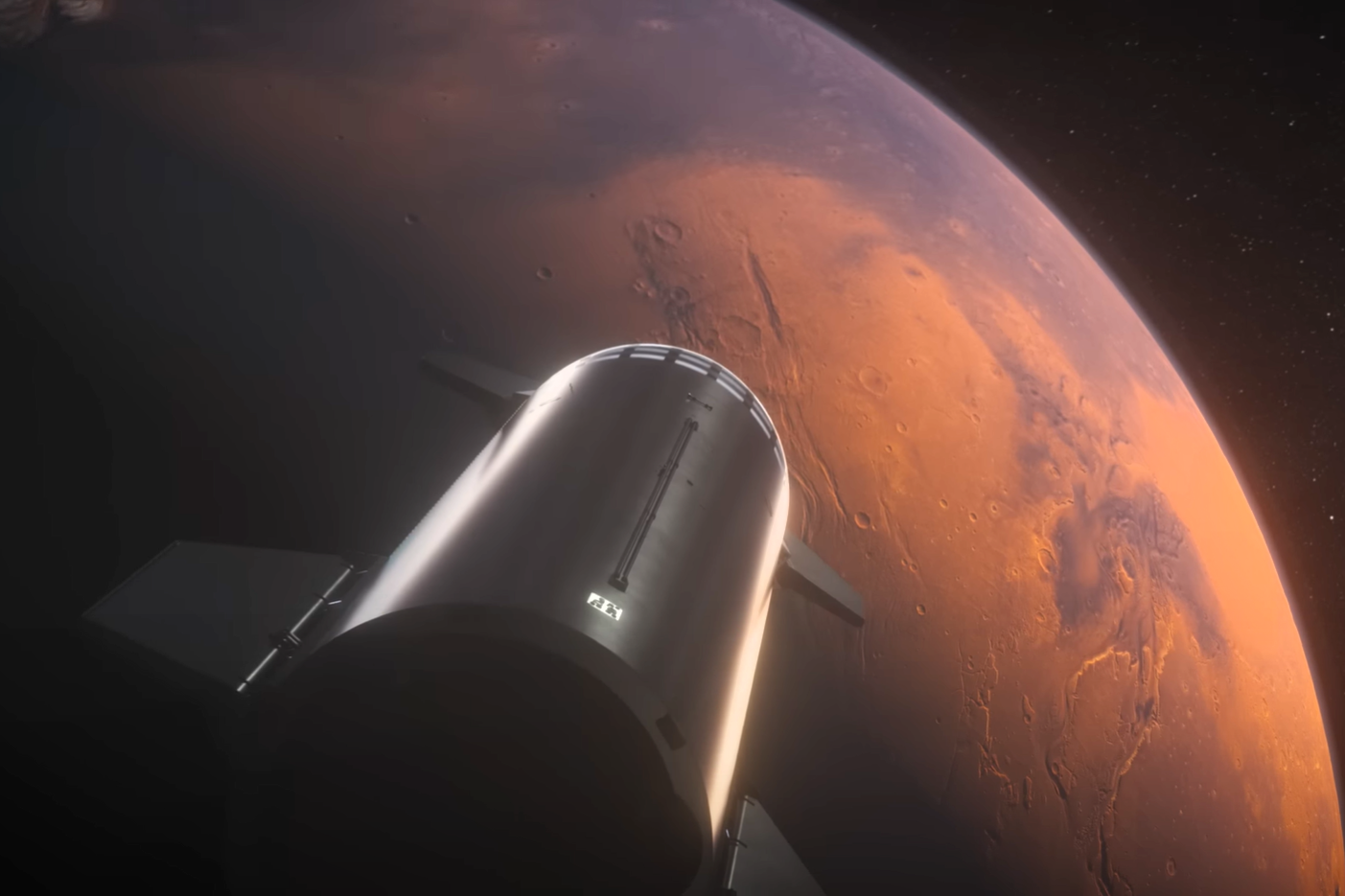
An illustration of a Starship rocket that SpaceX hopes to send to Mars in 2026 (SpaceX)
In March, Mr Musk said that Starship would be ready to launch to Mars by the end of 2026 carrying Tesla’s humanoid robot Optimus, before human missions begin in in 2029.
It is not clear whether recent failures and delays have pushed this timeline back. The Independent has reached out to SpaceX for comment.
In the launch notes for the latest mission, SpaceX said it would continue to conduct real-world tests to ensure the rapid development of the spacecraft.
“Flight tests continue to provide valuable learnings to inform the design of the next generation Starship and Super Heavy vehicles,” the company said.
“With production ramping up inside Starfactory at Starbase alongside new launch and test infrastructure actively being built in Texas and Florida, Starship is poised to continue iterating towards a rapidly and fully reusable launch system.”
A live stream of Wednesday’s Starship launch attempt will be available on SpaceX’s website.