
Your support helps us to tell the story
From reproductive rights to climate change to Big Tech, The Independent is on the ground when the story is developing. Whether it’s investigating the financials of Elon Musk’s pro-Trump PAC or producing our latest documentary, ‘The A Word’, which shines a light on the American women fighting for reproductive rights, we know how important it is to parse out the facts from the messaging.
At such a critical moment in US history, we need reporters on the ground. Your donation allows us to keep sending journalists to speak to both sides of the story.
The Independent is trusted by Americans across the entire political spectrum. And unlike many other quality news outlets, we choose not to lock Americans out of our reporting and analysis with paywalls. We believe quality journalism should be available to everyone, paid for by those who can afford it.
Your support makes all the difference.Read more
Aid cuts by Donald Trump and an economic downturn have driven Botswana to declare a public health emergency, as the country runs out of vital medicines.
President Duma Boko has called in the military to try and fix major supply chain issues, saying that managing the shortages of medicines and equipment will be “highly price-sensitive due to our limited coffers”.
“The medical supply chain as run by central medical stores has failed,” Mr Boko told the nation. “This failure has led to a severe disruption to health supplies countrywide.”
His government approved 250 million Botswana pula (£13.8m) to buy medicines and is sending in the military to distribute them to health facilities.
At the start of the month, the health ministry published a letter saying drugs, including those for high blood pressure, cancer, diabetes, tuberculosis, and sexual and reproductive health, were in short supply. Wound dressings and sutures were also running out.
The ministry said at that time that it would postpone non-urgent surgery, including some organ transplants. A spokesperson blamed the shortages on “ongoing financial challenges”, including one billion pula (£55.2m) in debt owed to private health facilities and suppliers. This week the president pointed to inflation of drug prices above what the southern African republic’s central medical stores had budgeted for.
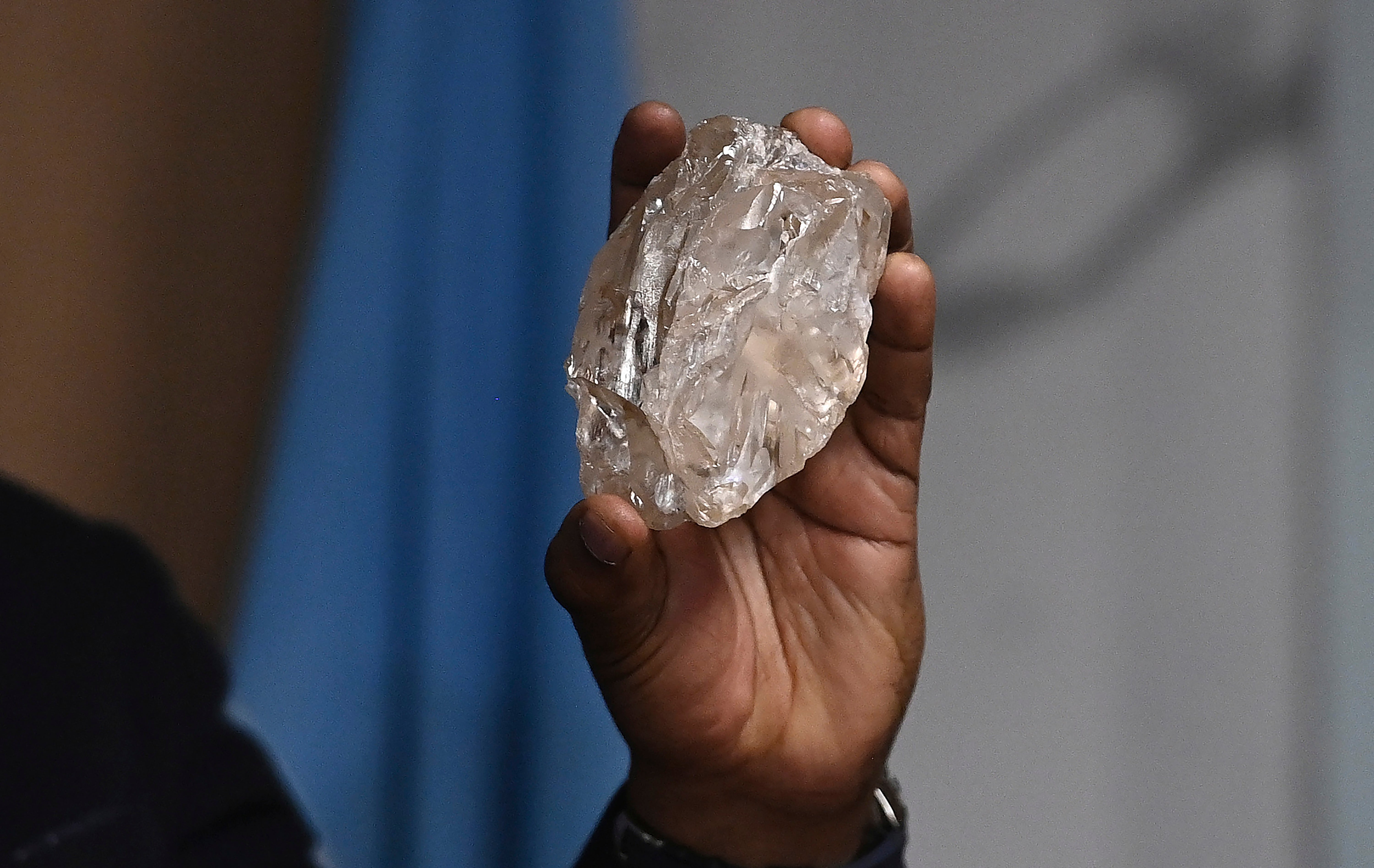
Botswana has also been hit by a global slump in the diamond market on which, as one of the world’s leading producers, its finances are heavily reliant. This reliance was something President Boko pledged to tackle when he took office last November.
open image in gallery
President Boko has promised to reduce Botswana’s reliance on diamonds (AP)
Botswana does not receive as much aid as some other countries in the region, but it has faced a roughly two-thirds cut in the funding it did receive from the United States Agency for International Development (USAID).
A third of its HIV programme was funded through global aid, largely from the US, with $55m coming from its flagship HIV programme, the President’s Emergency Plan for Aids Relief, and another $12m coming via the Global Fund to Fight Aids, Tuberculosis and Malaria from a coalition of richer countries.
Speaking to South Africa’s SABC News, the opposition coalition blamed the emergency on a lack of planning from the government and said it should have gone through Parliament.
“This has compromised our fight against HIV-Aids, it has compromised our fight against [non-communicable diseases],” said Dr Alfred Madigele of the Botswana Democratic Party. “The government has been sitting on this problem since the beginning of this year.”
But Phemelo Ramasu, a reporter for the Botswana Guardian, told DW News things had improved since the government took action this week, describing the actions, including the distribution of medicine by the military, as “welcome developments”.
This article is part of The Independent’s Rethinking Global Aid project