
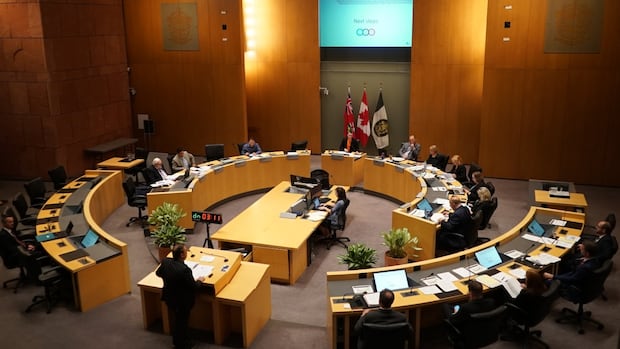
Kitchener city council unanimously passed a motion calling on the province to alter how it implements its controversial Bill 5.
Bill 5, also called the Protecting Ontario by Unleashing Our Economy Act, empowers the government (among other things) to create special economic zones (SEZ), where cabinet can exempt companies or projects from having to comply with any provincial law, provincial regulation or municipal bylaw.
The bill has seen pushback from environmentalists who say Bill 5 could cause irreparable damage to existing ecosystems and the loss of Indigenous and historical artifacts, and Indigenous groups who say it endangers First Nations’ rights to self-determination and ways of life.
Kitchener’s motion, brought forward by Coun. Paul Singh, asks the province to respect the city’s autonomy by:
Gaining council approval before creating a SEZ within the municipal borders.
Prohibiting SEZs from excluding municipal bylaws that work toward city growth or generate revenue for the city.
Ensuring that Bill 5 and its regulations find ways to balance the protection of species-at-risk and environmental areas.
Fulfilling its duty to consult Indigenous stakeholders and engage in good-faith dialogue when implementing SEZs.
Singh told CBC news it’s a good first step.
“We’re supportive of wanting to streamline processes that can unlock and stimulate our economy. But at the same time, I think the autonomy of the local municipal voice is important,” he said.
Singh said that without his motion there could be some negative impacts in the implementation of SEZs.
“Without the motion, the SEZ could be imposed without local input and that’s potentially disrupting Kitchener’s planning priorities, environmental space safeguards and revenue models.”
Kitchener Coun. Debbie Chapman tabled a motion at Monday’s council meeting that took more of an adversarial stance on Bill 5, but that motion was voted down. It was then replaced with Coun. Singh’s alternative motion, which looks at taking a more collaborative approach.
Singh said the concerns outlined in his motion were very similar to those in Chapman’s, however he says it’s more effective to work with, rather than against, the province.
“I think municipalities do have to be a collaborative partner with the province when it comes to economic issues,” he said. “At the same time, we need to be able to articulate local concerns of environment and local impacts, especially when substantive change might impact the community.”
Another key resolution in Singh’s motion is calling on the provincial government to fulfil its duty to consult Indigenous stakeholders.
“We can’t just have empty gestures for reconciliation with our Indigenous community,” he said.
“I think having all the voices at the table is very important. The province needs to be inclusive.”
Singh’s motion was passed unanimously by Kitchener city council Monday night. He said he hopes his colleagues in the provincial government are open to working with municipalities to integrate consultation into Bill 5.
“I’m hoping the province chooses to listen.”
Local Indigenous reaction
Amy Smoke is a member of the Mohawk Nation, Turtle Clan of the Six Nations of the Grand River and a cofounder of the Willow River Centre in downtown Kitchener. They said they’re pleasantly surprised by the motion including a call for the province to fulfil its duty to consult.
“It’s refreshing and about time,” Smoke said.
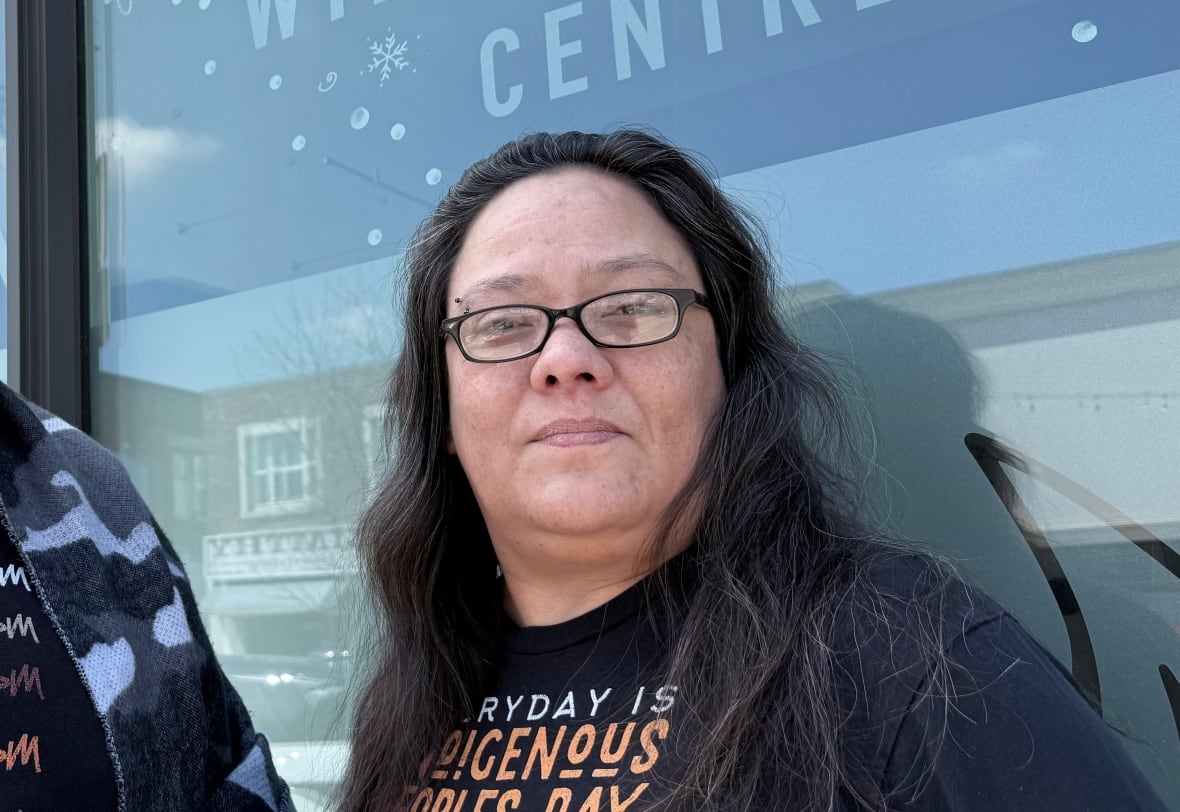 Amy Smoke says they were happy to see the call for the province to include Indigenous consultation in the Kitchener city council motion. (Aastha Shetty/CBC)
Smoke said it’s essential to include Indigenous voices in decision making, but there isn’t any one reason why the duty to consult is important.
“When we talk about reconciliation, and we’re including Indigenous voices now at the table, we have to consider the fact that we have stewarded these lands and kept them in balance prior to colonization,” they said.
“We did not have food insecurity. We did not have climate crises. We did not have environmental racism.”
Smoke said inviting Indigenous voices to the table is like starting fresh.
“It’s not even just inviting us to the table. We deserve to be at the table. We demand to be these tables,” they said.
“Not just consultation because anybody can say, ‘Oh, I asked an Indigenous person.'”