
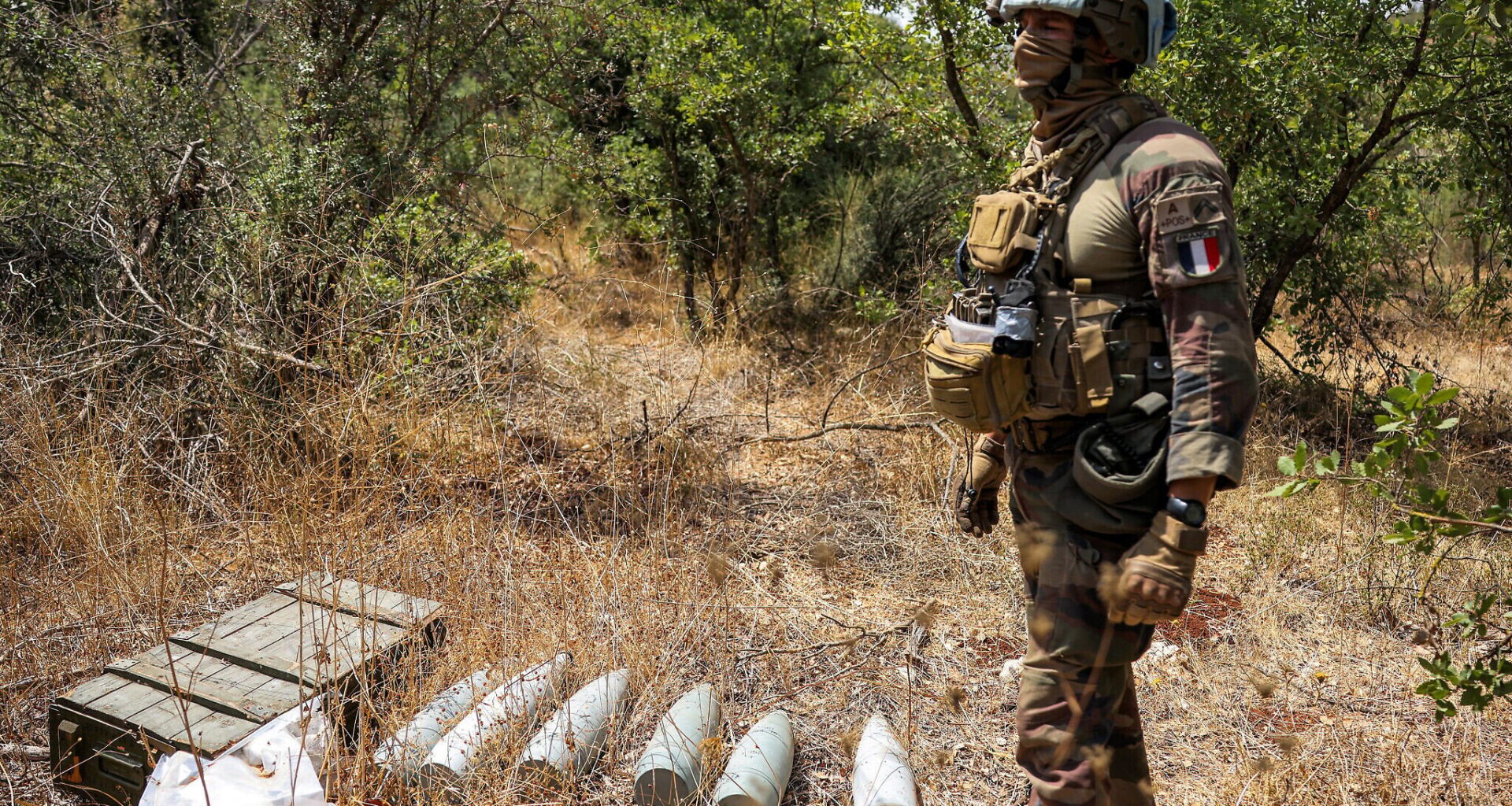
The Security Council was scheduled to vote Thursday on a resolution that would end the more than four-decade operation of the United Nations peacekeeping force in southern Lebanon on December 31, 2026.
Two council diplomats said late Wednesday that the United States, which had been demanding that the force known as UNIFIL be terminated in a year, did not object to a French compromise draft resolution with that end date in 16 months.
That signaled the resolution would be approved, but it was not clear whether the US would vote in favor or abstain, the diplomats said, speaking on condition of anonymity because negotiations have been private.
France, which oversees the issue at the Security Council and has the support of Beirut, had initially considered a one-year extension and referred simply to an “intention” to work toward a withdrawal of UNIFIL.
But faced with a possible US veto, and following several proposals and a Monday postponement of the vote, the latest draft resolution unequivocally schedules the end of the mission in 16 months.
Get The Times of Israel’s Daily Edition
by email and never miss our top stories
By signing up, you agree to the terms
UNIFIL was created to oversee the withdrawal of Israeli troops from southern Lebanon after Israel’s 1978 invasion. Its mission was expanded following the monthlong 2006 war between Israel and the terror group Hezbollah.
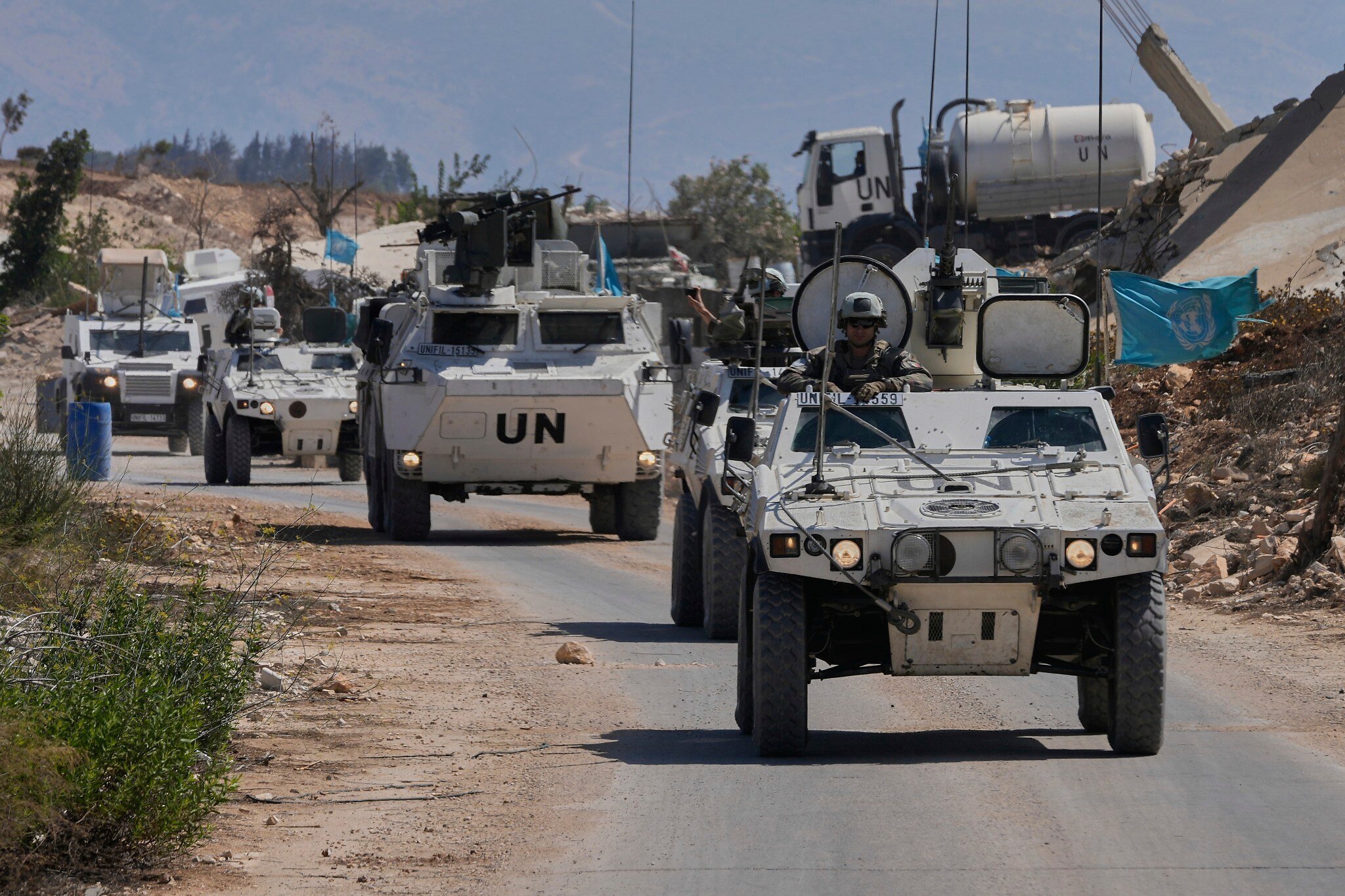
French UN peacekeepers patrol the Lebanese-Israeli border in the village of Houla, southern Lebanon, Aug. 20, 2025 (AP Photo/Hussein Malla)
The resolution would terminate UNIFIL’s mandate and halt its operations at the end of 2026. The process of withdrawing its 10,800 military and civilian personnel and equipment would start immediately in consultation with the Lebanese government, to be completed within a year.
The draft says the aim is to make the Lebanese government “the sole provider of security” in southern Lebanon north of the UN-drawn border with Israel known as the Blue Line. It calls on Israel to withdraw its forces from north of the Blue Line.
The multinational force has played a significant role in monitoring the security situation in southern Lebanon for decades, including during the Israel-Hezbollah war last year, but has drawn criticism from both sides and numerous US lawmakers, some of whom now hold prominent roles in US President Donald Trump’s administration or wield new influence with the White House.
Trump administration political appointees came into office wanting to shut down UNIFIL as soon as possible and have secured major cuts in US funding for the force.
They regard the operation as a waste of money that is merely delaying the goal of eliminating Hezbollah’s influence and restoring full security control to the Lebanese armed forces. The government says its forces are not yet capable of assuming full control.
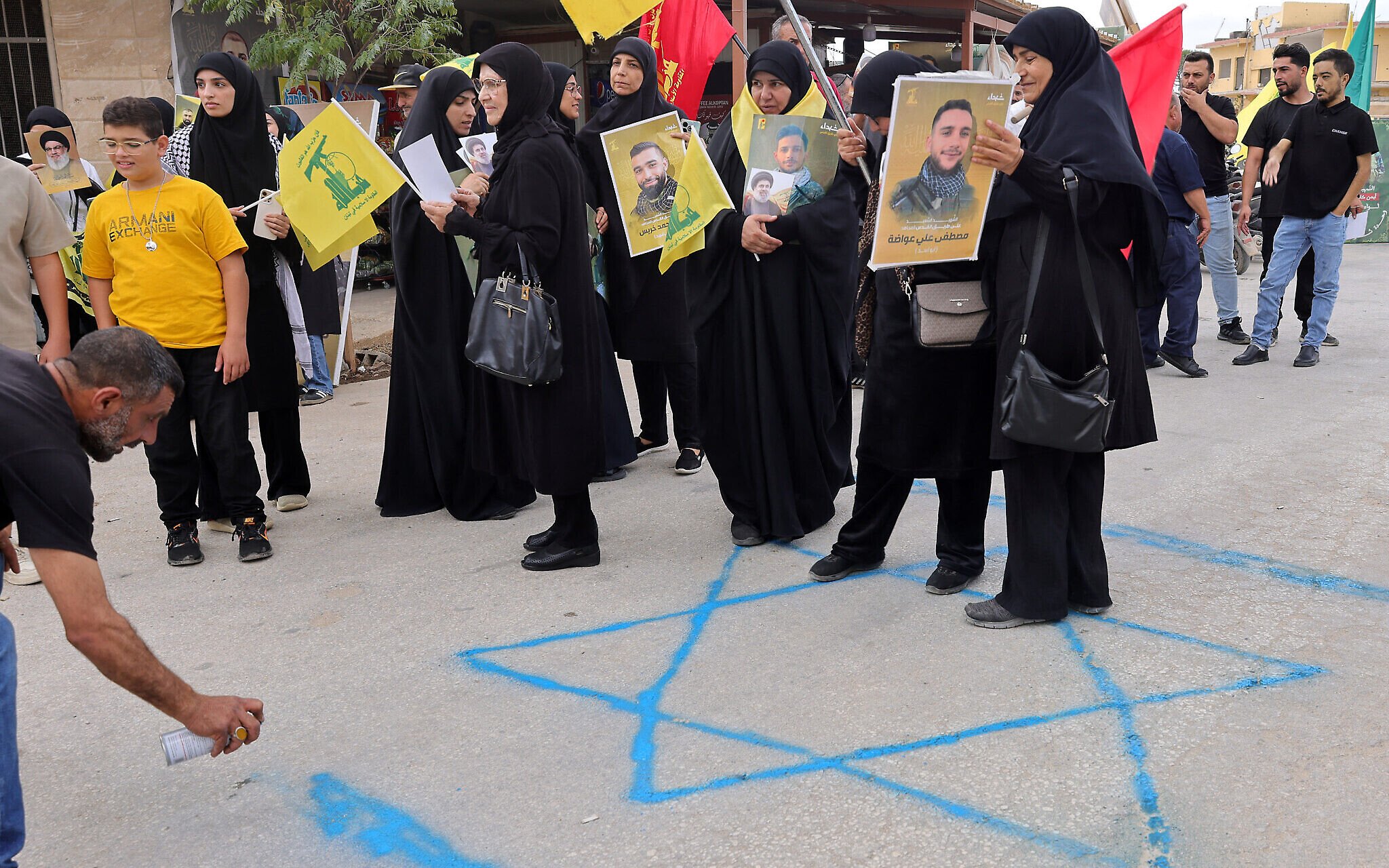
Hezbollah supporters stand above a Star of David graffiti as they demonstrate against the planned visit of US envoy Tom Barrack to south Lebanon, on August 27, 2025, in Khiam (Rabih DAHER / AFP)
European nations, notably France and Italy, objected to winding down UNIFIL too quickly. They argued that ending the peacekeeping mission before the Lebanese army was able to fully secure the border area would create a vacuum that Hezbollah could easily exploit.
During the one-year withdrawal period, the draft resolution says UNIFIL is authorized to provide security and assistance to UN personnel, “to maintain situational awareness in the vicinity of UNIFIL locations,” and to contribute to the protection of civilians and safe delivery of humanitarian aid “within the limits of its capacities.”
The draft urges the international community “to intensify its support, including equipment, material and finance,” for the Lebanese armed forces.
Under the November ceasefire that ended last year’s war between Israel and Hezbollah, which capped off a year of unprovoked attacks by the terror group, Beirut’s army has been deploying in south Lebanon and dismantling the terrorist group’s infrastructure there.
Lebanon has been grappling with the thorny issue of disarming Hezbollah, which is pushing back against the idea. The Lebanese cabinet this month tasked the army with developing a plan to do so by the end of the year.
According to the terms of the ceasefire, Israel was meant to completely withdraw from Lebanon, though it has kept forces in several areas it deems strategic. It continues to conduct strikes across Lebanon in response to what it says are ceasefire violations.
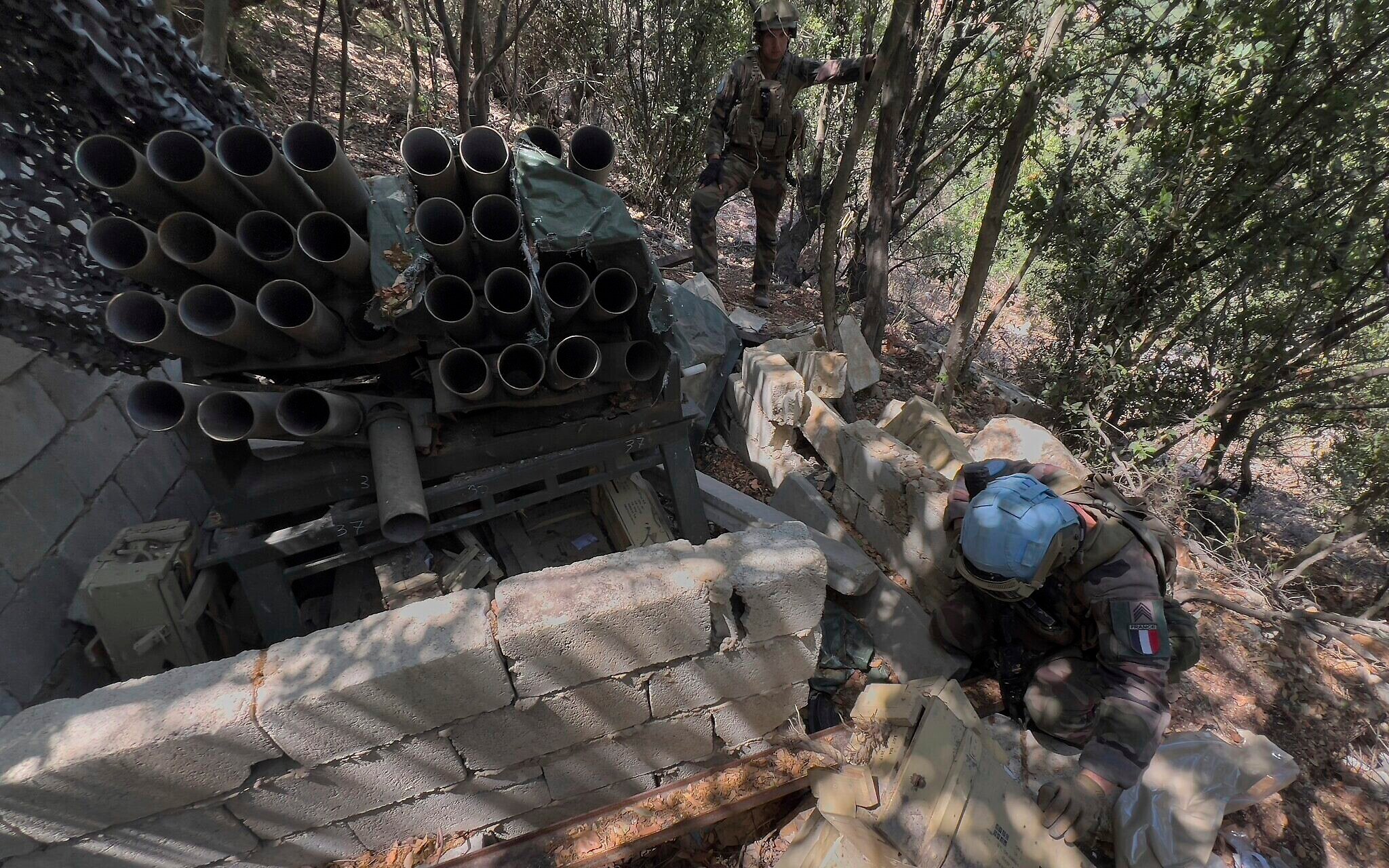
A French UN peacekeeper, foreground, checks ammunition boxes next to a destroyed Hezbollah rocket launcher in the Saluki Valley, south Lebanon, Aug. 20, 2025 (AP Photo/Hussein Malla)
Last week, Lebanese President Joseph Aoun called for the UN peacekeepers to remain, arguing that any curtailment of UNIFIL’s mandate “will negatively impact the situation in the south, which still suffers from Israeli occupation.”
On Monday, Prime Minister Benjamin Netanyahu’s office said Israel is “ready to support” Lebanon’s efforts to disarm Hezbollah and will implement a phased reduction of its military presence in Lebanon as a “reciprocal measure.”
“Israel stands ready to support Lebanon in its efforts to disarm Hezbollah and to work together towards a more secure and stable future for both nations,” the statement said.
Is The Times of Israel important to you?
If so, we have a request.
Every day, even during war, our journalists keep you abreast of the most important developments that merit your attention. Millions of people rely on ToI for fast, fair and free coverage of Israel and the Jewish world.
We care about Israel – and we know you do too. So today, we have an ask: show your appreciation for our work by joining The Times of Israel Community, an exclusive group for readers like you who appreciate and financially support our work.
Already a member? Sign in to stop seeing this
You appreciate our journalism

You clearly find our careful reporting valuable, in a time when facts are often distorted and news coverage often lacks context.
Your support is essential to continue our work. We want to continue delivering the professional journalism you value, even as the demands on our newsroom have grown dramatically since October 7.
So today, please consider joining our reader support group, The Times of Israel Community. For as little as $6 a month you’ll become our partners while enjoying The Times of Israel AD-FREE, as well as accessing exclusive content available only to Times of Israel Community members.
Thank you,
David Horovitz, Founding Editor of The Times of Israel