
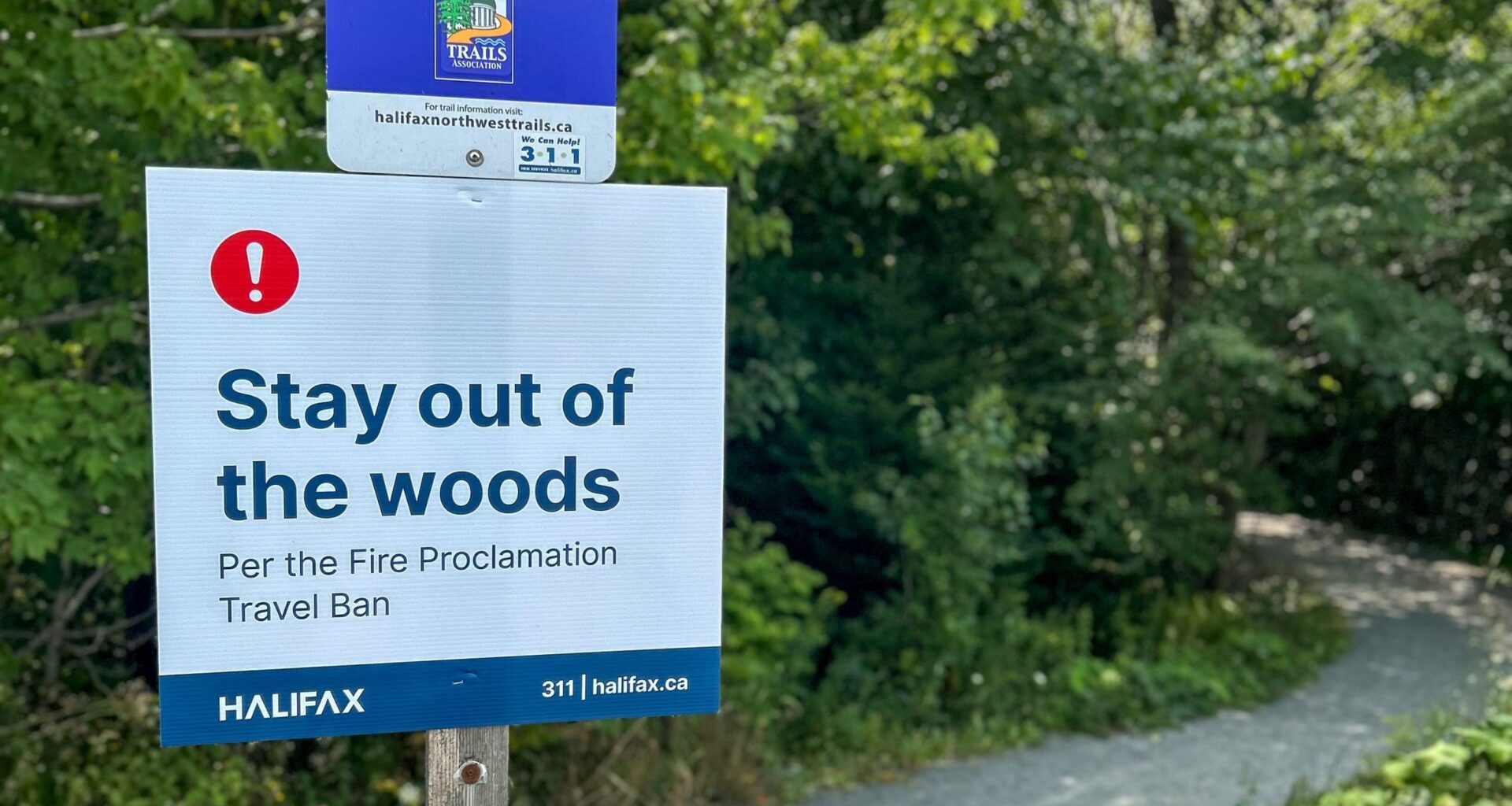
The provincial travel ban into the woods is being lifted across some parts of the province as of 4:00 p.m. on Aug. 29.
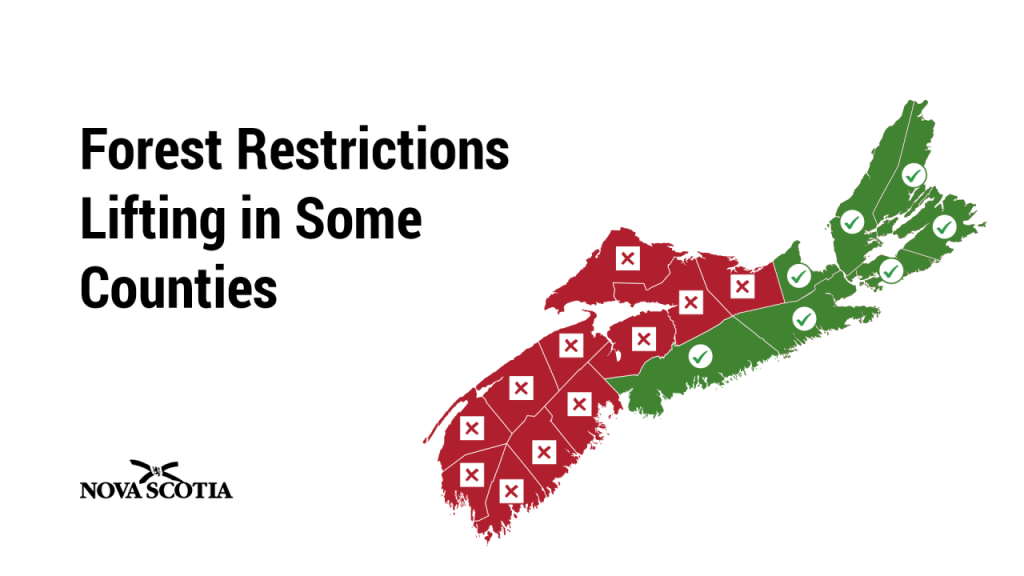
This includes Halifax, Cape Breton, Richmond, Victoria, Inverness, Guysborough and Antigonish.
Officials stressed that the burn ban is still in effect province-wide until Oct. 15 or until conditions improve, including the areas where the woods ban is lifted. There are several municipalities where travelling in any forest is still not allowed because conditions remain too dry.
These include Pictou, Colchester, Cumberland, Hants, Lunenburg, Kings, Annapolis, Queens, Shelburne, Digby and Yarmouth.
“Happy Labour Day,” Premier Tim Houston said at the announcement on Friday. “(Some) people can get back out to enjoy some of the woods, and I hope this offers a little bit of bright news to some Nova Scotians.”
Violation of the woods ban in any of the 11 counties will result in a $25,000 fine. The ban was announced on Aug. 5, amid the drought conditions across the province. The controversial measure was met with annoyance from some members of the public, drew criticism from officials in other provinces and caught the attention of a freedom non-profit, but the vast majority have been compliant.
Jim Rudderham, director of fleet protection and forest management, said that over the last month, DNR has only laid 10 woods ban charges. He also noted that it had nine charges for violating the burn ban.
“Just yesterday, a fine was issued for violation of the burn ban. That means that someone made the decision to have an open fire,” Rudderham said at the press conference. “We’re not there yet. Conditions are still too dangerous everywhere for open fires.”
Drought conditions persisting
For the counties where the woods ban is still in effect, officials said they need to see conditions improve before it can be lifted.
Rudderham explained that when the ban was implemented, the province’s drought conditions were extreme. Many municipalities had not seen even a sprinkle of rain for several weeks and no significant precipitation since June. At the same time, heat warnings were persisting throughout the province, increasing the tinder dry fuels on the ground.
Experts were looking at the build-up index, a measurement of how dry the fuels were on the ground and deep underneath the surface. All the fuels, if ignited, could burn, Rudderham said at the data experts are looking at. With some of the rain parts of the province received and the cooler nights, the index improved.
“That’s why in those areas, especially that we talked about today, with that rain and with all the other factors in place, all those fuels are not as available to burn now,” he said.
However, the vast majority of the counties in Nova Scotia are still in an extreme drought, meaning any ignition of the fuels could become a quick-growing wildfire.
Crews are still trying to contain the out-of-control Annapolis County blaze. The Long Lake wildfire is estimated to be 8,234 hectares, with firefighters on the ground and in the air tackling its flames. Conditions on Friday remain concerning, but Rudderham said the forecast is promising better weather.
“It’s still a battle,” he warned, as teams remain on alert. “We are getting a little bit of rain tomorrow, which is certainly hopeful that it comes. We’re hopeful that maybe the forecasters might be a little bit wrong and there’s more coming than we hope, but we’ll take whatever we can get.”