

European youngsters will be able to move to the UK for more than a year under a youth mobility scheme, the minister in charge of Britain’s relationship with the EU has indicated.
This would mean that they would count towards Britain’s official immigration figures, which include anyone who moves to the UK for more than 12 months.
Nick Thomas-Symonds, the EU relations minister, said the scheme will mirror Britain’s 13 existing youth mobility schemes with countries including Australia, New Zealand, Japan and South Korea.
Those youth mobility schemes allow youngsters to come to the UK for up to two years, and in some cases, they can be extended by a further year.
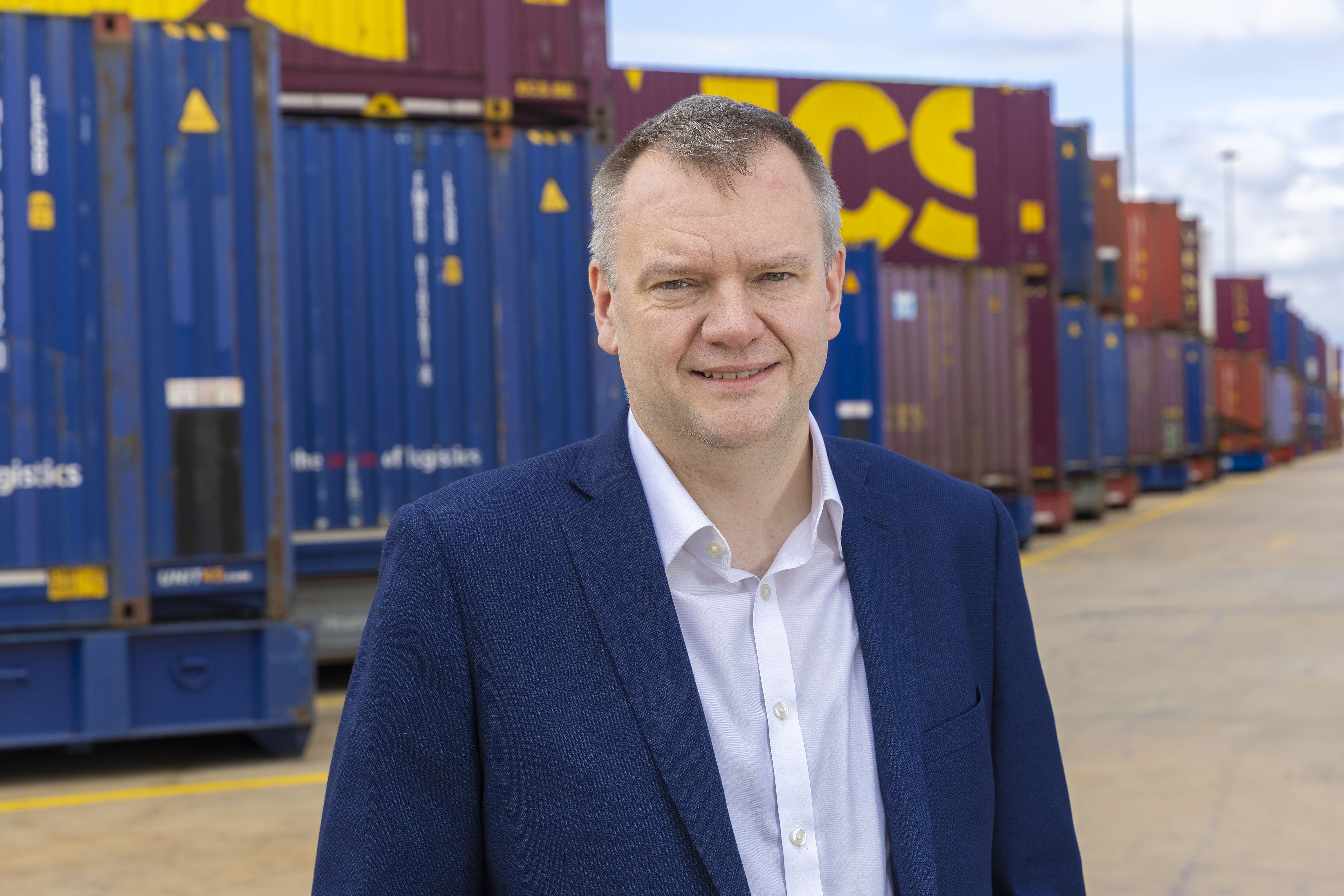
Nick Thomas-Symonds, the EU relations minister, indicated that the scheme would mirror the UK’s existing schemes, such as with Australia
AKIRA SUEMORI FOR THE TIMES
Yvette Cooper, the home secretary, is understood to have been pushing for the scheme to be limited to 12 months in order to prevent the scheme adding to immigration numbers.
However, a key demand of EU countries is for a scheme that allows youngsters aged 18-30 to move to the UK for more than 12 months. The deal would be reciprocal, meaning British youngsters could move to the continent for the same time period.
Britain and the EU agreed on the broad parameters of a youth mobility scheme as part of a “common understanding” document that Sir Keir Starmer agreed in May as part of his efforts to reset relations with the bloc. The two sides are aiming to sign a new deal next year.
Asked in an interview with The Times whether the youth mobility scheme will be limited to 12 months, Thomas-Symonds said: “These are all subjects for the negotiations.”
Pressed again, he said: “I want to deliver the smart, controlled, balanced scheme that I agreed on in the common understanding.”

He indicated that the time frame would be for more than 12 months as it will be modelled on the UK’s existing youth mobility schemes, which are all capped, but refused to say how high he was prepared to set the limit.
The cabinet minister said: “I’m not going to draw on a number. It’s also about it being reciprocal. This is a negotiation, but we want a smart, controlled, balanced scheme, and we’ve always said that we would see it in the context of the youth mobility schemes.
“There’s 13 of them that already exist, and it’s in that context that we will be negotiating with the EU but the idea or suggestion that this is somehow freedom of movement is completely wrong. Nobody says we have freedom of movement with Andorra or Uruguay, with whom we already have youth mobility schemes.”
Britain’s youth mobility scheme with Australia is capped at 45,000 people, although only 9,750 came last year, less than a quarter of the limit, with more British youngsters going the other way.
The UK and the EU Commission agreed in the common understanding document in May to “work towards a balanced youth experience scheme on terms to be mutually agreed”.
Thomas-Symonds also signalled that Britain will push for a carve-out to allow British farmers to grow genetically modified crops as part of a deal that will realign the UK’s food safety rules with those of the EU.
The EU Commission published its proposals for negotiations on a deal to align food and agricultural standards in order to ease checks on British produce sold in Europe.
The EU is demanding that the UK drop its landmark legislation that allows farmers for the first time to plant crops developed with gene-editing technology.
Thomas-Symonds said there will be “certain things that we’ve obviously looked for carve-outs on” when asked about the deal on food safety standards alignment. He said he hopes to sign a deal early next year, before primary legislation is introduced to implement it.
• Labour want EU youth mobility scheme to be capped at 100,000
Thomas-Symonds was speaking to The Times during a visit to the Port of Tilbury in Essex, where he was highlighting agreements with the EU to share crucial crime-fighting measures such as data on fingerprints, DNA, facial recognition and criminal records.
The deal will also enable Britain and the EU’s drugs agency to share information for the first time about patterns of illicit drugs, how the drugs market is evolving and the way in which criminal gangs change their tactics.
Thomas-Symonds attacked the Conservatives and Nigel Farage, the leader of Reform UK, who have opposed the government’s efforts to secure closer co-operation with the EU and accused them of siding with criminal gangs.
The cabinet minister said: “There is a real challenge here as well for the opposition parties and for Reform and Nigel Farage as to whose side are you on?
“I am here with a very clear message: I am on the side of law enforcement here in Tilbury, I am on the side of giving them additional tools that they need to do their excellent work.
“Is he on their side and in favour of the new tools that we have agreed with the EU, or is he on the side of the drug smugglers and people smugglers wanting to make sure that they don’t get those additional tools, and that is the challenge.”