
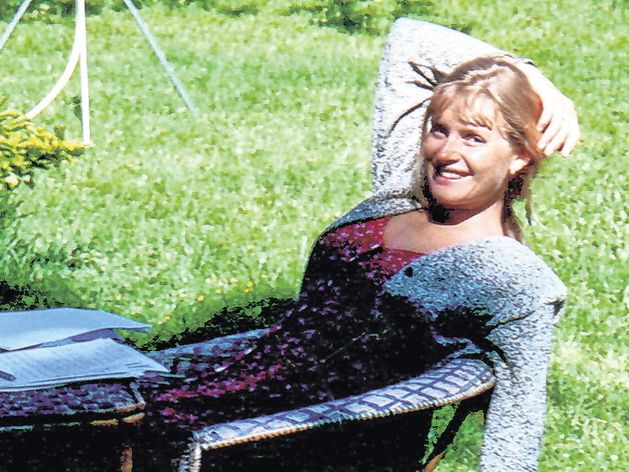
Frank Buttimer, who represented Mr Bailey before his sudden death last year, also said he would be “highly sceptical of the whole exercise”, considering the passage of time
Frank Buttimer, who represented Mr Bailey before his sudden death last year, also said he would be “highly sceptical of the whole exercise”, considering the passage of time.
The Cork-based solicitor was speaking after it emerged last weekend that a DNA sample had been successfully taken from crime scene evidence using a new method of technology called M-VAC.
Ms du Plantier (39) was battered and left to die at the gateway to her holiday home near Schull in West Cork on December 23, 1996.
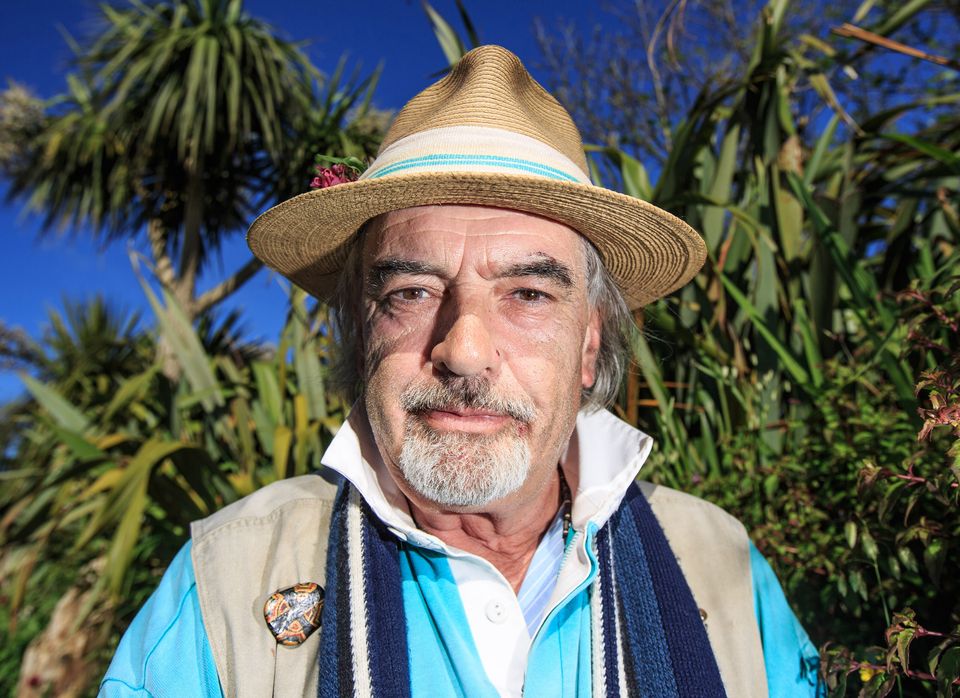
Suspect Ian Bailey died last year after suffering a heart attack
Mr Bailey, who was a chief suspect in the case, was found guilty of Ms du Plantier’s murder in 2019 and convicted in absentia and sentenced to 25 years by a three-judge panel after a three-day trial at the Paris Criminal Court.
However, he was never found guilty in an Irish court of her murder.
Last month, a specialist team from the US, led by the chief executive of M-Vac Systems, Jared Bradley, travelled to Ireland to examine a bloodstained flat rock and concrete block used to kill the French filmmaker. The clothes Ms du Plantier was wearing on the night when she was attacked were also examined.
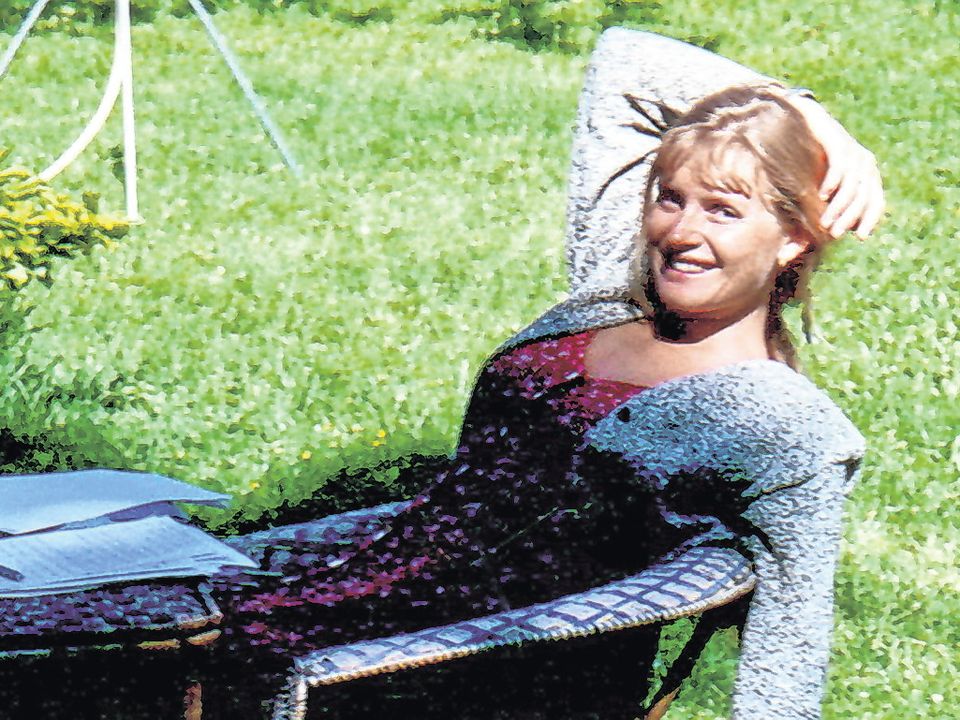
Sophie Toscan du Plantier was killed in December, 1996, in West Cork
News in 90 Seconds – Sunday, August 31
The M-Vac Systems team, along with Forensic Science Ireland, carried out extensive testing over eight days at Garda Headquarters in the Phoenix Park.
It is understood investigators have identified potentially conclusive genetic material from the evidence gathered using a forensic method known as Touch DNA, or Trace DNA, which only requires a very small sample.
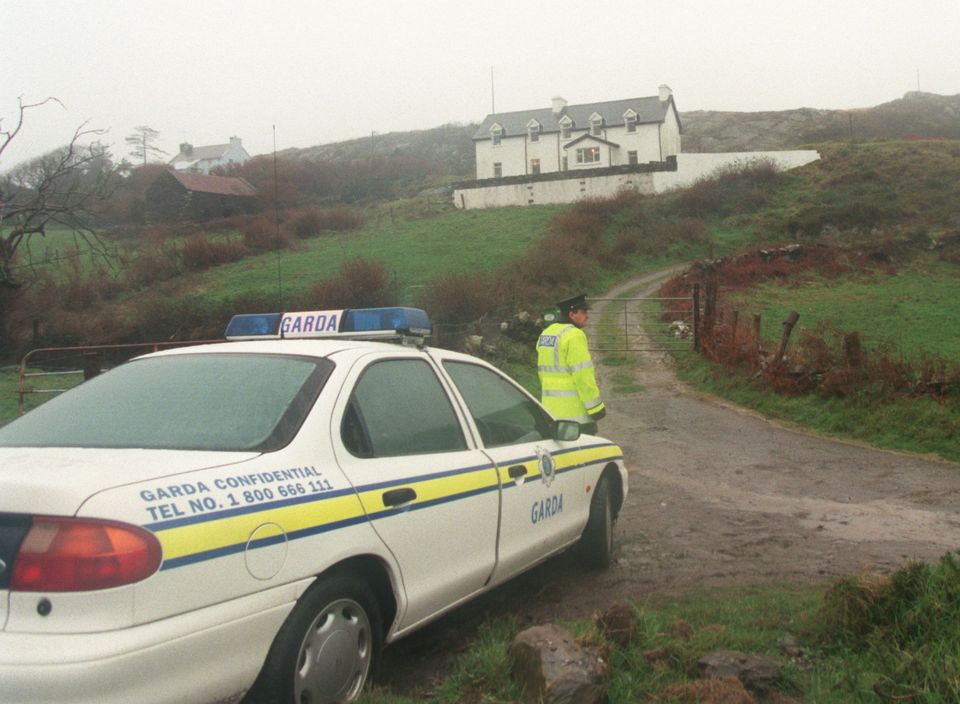
Sophie Toscan du Plantier was killed in December, 1996, in West Cork
It has been claimed that only Ms du Plantier’s killer could have deposited the DNA gathered.
One source told The Sunday Times last weekend that there was a sense of “jubilation” when the DNA was extracted.
Speaking after it emerged that the team could possibly be able to identify Ms du Plantier’s killer as early as next month, Mr Buttimer said he does not believe it will belong to his late client Mr Bailey.
He said: “Up to today’s date there has never been a meaningful, evidential link between the unlawful killing of Madame du Plantier and Ian Bailey.
“Do I believe it’s his DNA? Absolutely not. I would be extremely surprised if it were to be suggested, even suggested, that the DNA which has allegedly been located on evidential items, I would be extremely surprised if there was any proposed link between that DNA and Ian Bailey.
“I would be highly sceptical about the whole exercise, bearing in mind the passage of time and bearing in mind also his death in the meantime and therefore his inability to defend anything that might be set against him. Anything that might be regarded as linking him in any way to the crime.”
During Touch DNA testing, a substance is sprayed directly onto the surface of the gathered evidence while vacuum pressure is simultaneously applied around it, to collect the buffer and suspended particles in a collection bottle.
The same equipment which has been used to gather evidence in the Ms du Plantier murder case was used 28 years ago in Utah, America to solve the killing of teenager Krystal Beslanowitch.
Another case where DNA testing has been used to help solve a cold case involved the murder of Nora Sheehan.
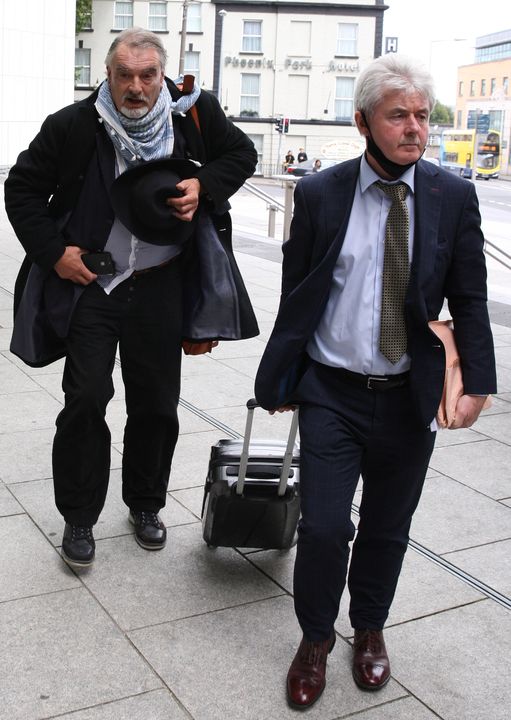
Suspect Ian Bailey with Frank Buttimer
Her killer, Noel Long (76) was found guilty and handed a life sentence for the brutal killing of the 54-year-old in Cork in 1981 after a partial DNA profile generated from semen found in her body was preserved for decades and matched DNA found on clothing taken from the sex offender.
Mr Buttimer said the pressure of being regarded as a suspect in Ms du Plantier’s murder had a detrimental effect on Mr Bailey’s health and contributed to his early death at the age of 66 from a heart attack.
Mr Buttimer added: “It destroyed the remainder of his life and either caused or contributed to his early death.”