
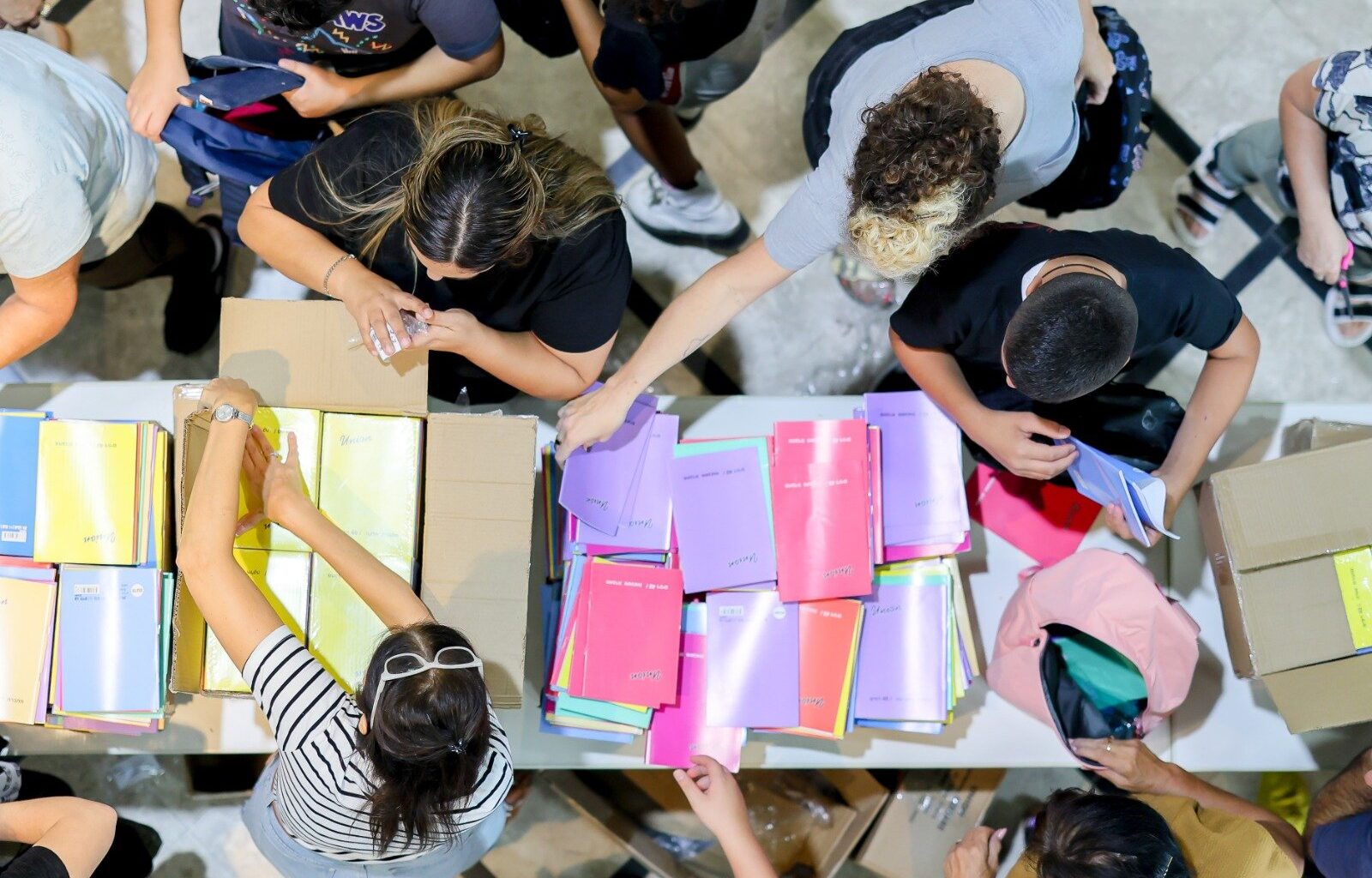
Two surveys issued in the run-up to the new school year, which starts on Monday, highlighted persistent socio-economic gaps between schoolchildren that will impact their health and ability to learn.
According to a survey released Sunday by Leket Israel — the National Food Bank, more than a third of parents (35 percent) said they had to forgo certain foods for their child’s mid-morning school snack due to cost, with about a third reporting that they had actively searched for cheaper alternatives.
While 20% of parents overall reported skipping healthier food options due to high prices, this figure increased to 30% among households with incomes below the average.
Most parents reported trying to maintain basic nutritional standards, with roughly two-thirds saying they sent their child to school with what they defined as a healthy, balanced meal.
However, 66% said their primary concern was that the child did not come home hungry, even if this meant compromising on health.
Get The Times of Israel’s Daily Edition
by email and never miss our top stories
By signing up, you agree to the terms
Only 55% of children from low-income households brought vegetables for their mid-morning break snack, compared to 67% of children from higher-income homes.
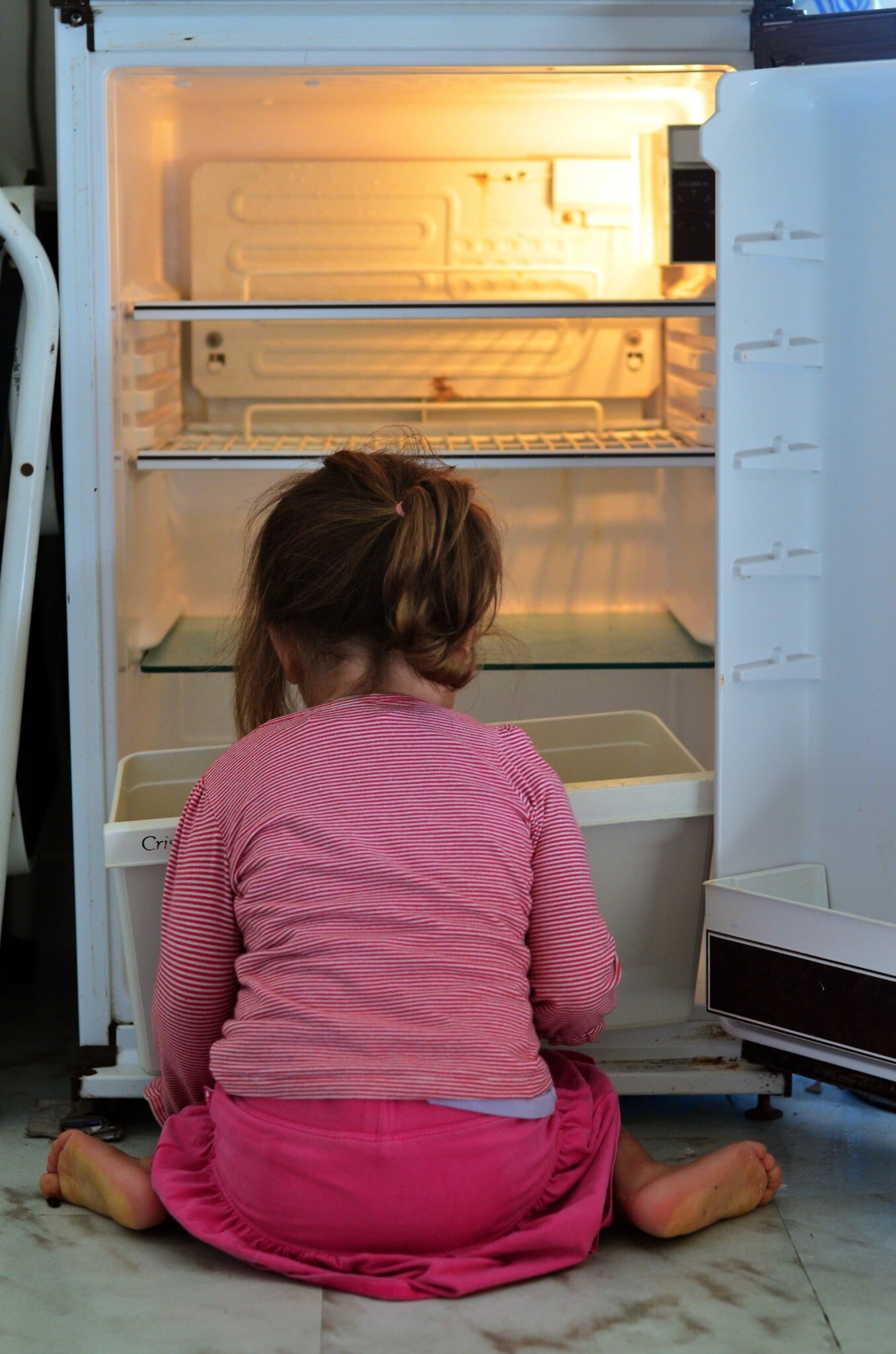
Illustrative photo of a hungry girl looking for food in an empty fridge.(chameleonseye, iStock photos at Getty Images)
A third (34%) of parents said the content of their child’s lunchbox was influenced by what their classmates brought.
Smadar Hod Ovadia, VP of Nutrition and Quality at Leket Israel, said, “The child’s lunchbox has become a mirror of Israel’s economic reality. Parents want to give their children the best, but are often forced to compromise due to financial constraints or societal pressures. These findings emphasize the urgent need to raise awareness about healthy, balanced eating among both children and parents, and to make nutritious food more accessible.”
She went on, “As the National Food Rescue Organization, we operate our ‘Leket Briut – Nutrition Education’ program to ensure access to fresh fruit and vegetables alongside nutrition education in schools, so that every child can come to school with a nourishing and equal meal, regardless of their family’s economic circumstances.”
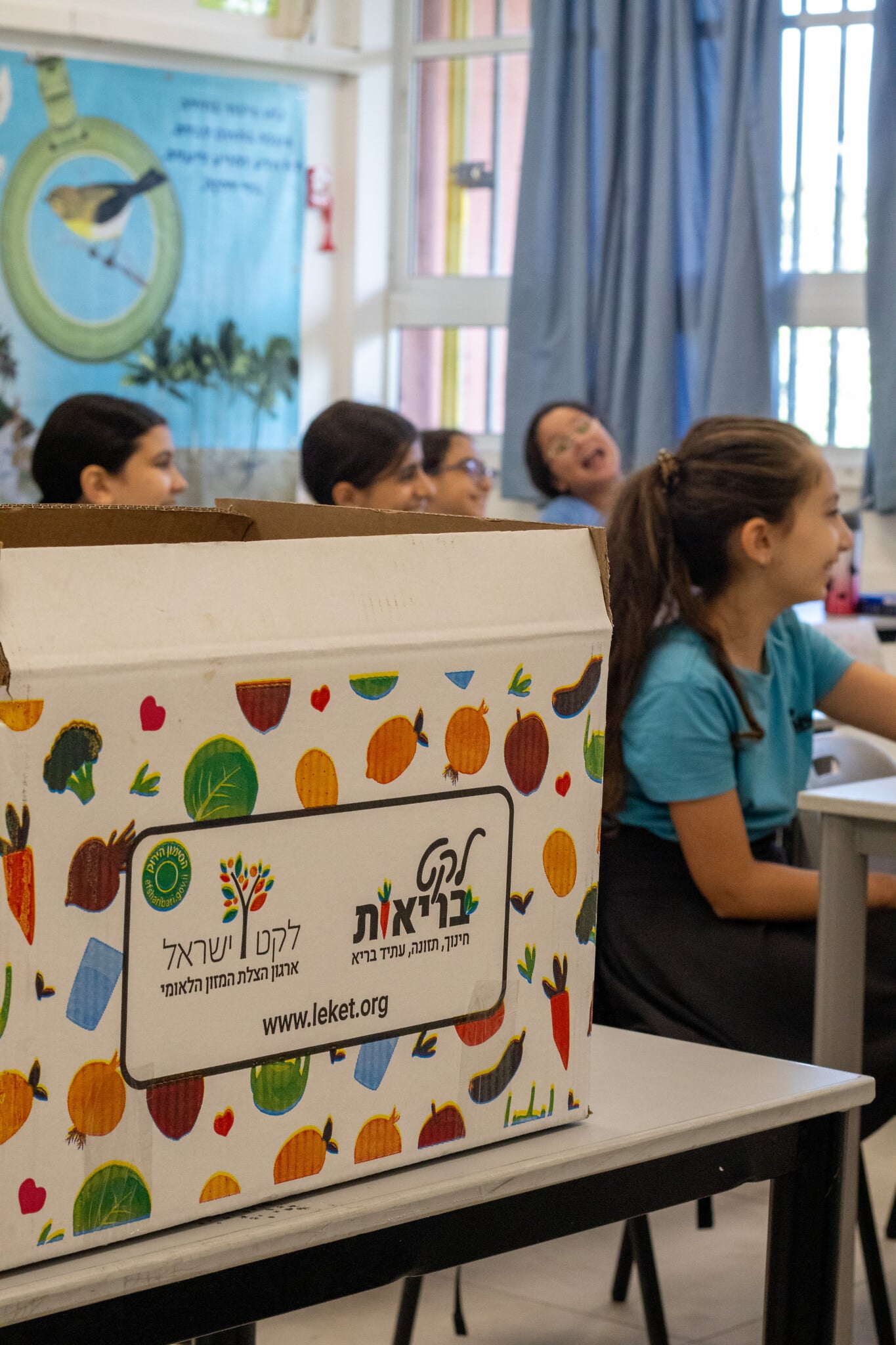
Pupils learn about healthy food through Leket’s nutrition program. (Amir Yakoby)
A survey of 675 parents of elementary school children was conducted by the Midgam Research Institute, with a margin of error of ±3.7 %.
Meanwhile, Latet, which works to combat poverty and nutritional insecurity, presented an analysis last week of data from the Central Bureau of Statistics and the National Health Insurance, including the latter’s latest annual report on poverty (in Hebrew), which relates to 2023.
That puts Israel’s poverty line at an income of 3,324 NIS ($1,000) per household member per month.
Among the key findings of Latet’s report were that out of more than two million students set to begin the upcoming school year:
• 579,142 are classified as poor, including 51,898 first graders
• 437,989 are expected to suffer from food insecurity, including 209,653 likely to face severe food insecurity. In Israel, food insecurity is defined as the inability to consistently access a sufficient and balanced diet containing all the necessary nutritional elements for proper development and health.
Families on state support
According to the analysis, 41% of families receiving state support reported that at least one child under 18 had had to work during the past year due to economic hardship, compared to 17.2% in the general population.
More than two-thirds of these families (67%) reported that their children lacked basic school supplies and textbooks. This was 4.2 times higher than in the general population.
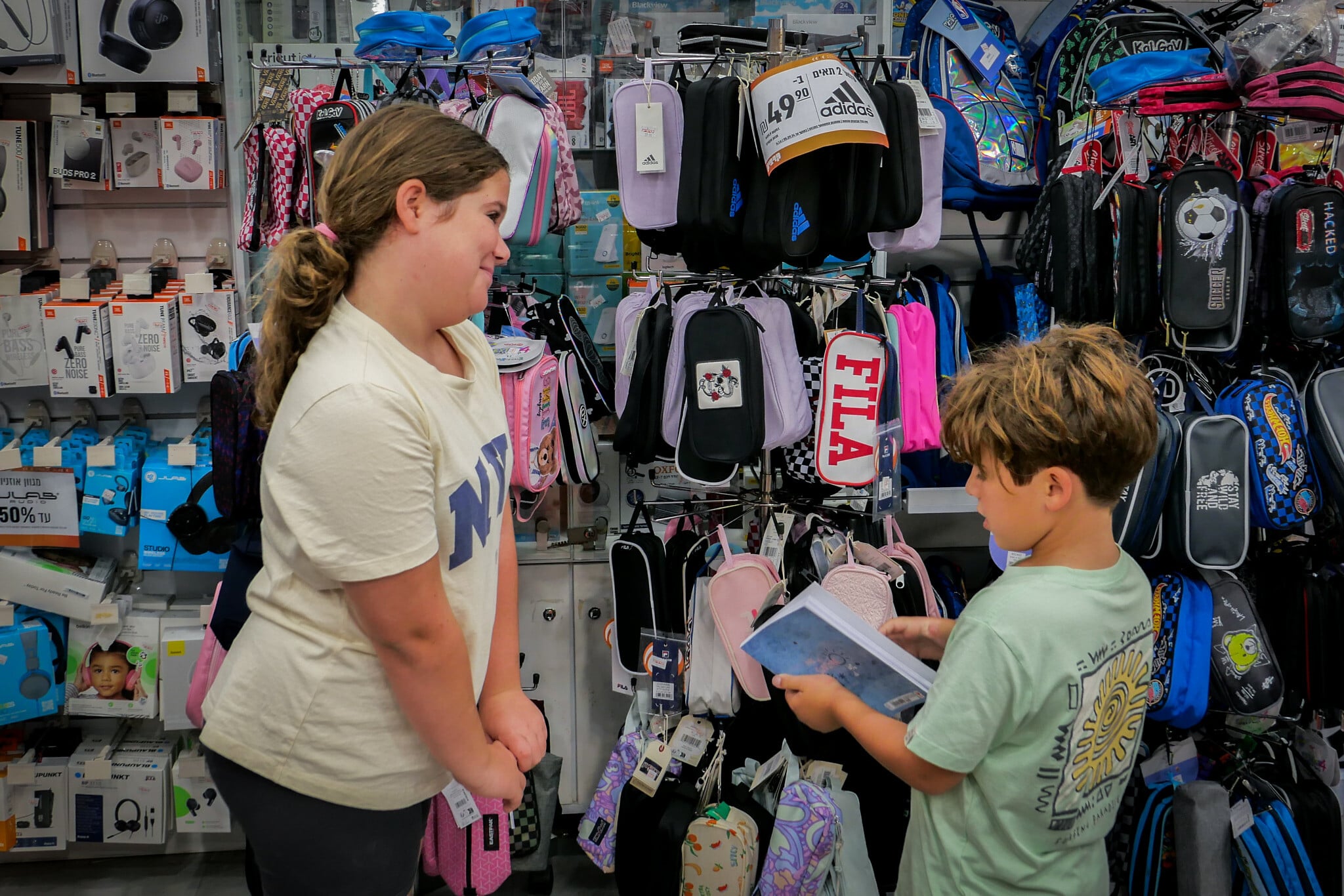
Schoolchildren buy equipment for the new school year at a store in Jerusalem, August 26, 2024. (Nati Shohat/Flash90)
More than four in five families (84%) said they were unable to finance extracurricular activities, private lessons, or youth movements for their children. Such activities are everyday among well-to-do families, given that elementary school finishes daily between 1 p.m. and 2 p.m. in state schools. This can stretch to 3:30 p.m., where a long school day is implemented.
Furthermore, nearly two-thirds (61.8%) reported that there was no computer at home for learning purposes.
Gilles Darmon, the founder and president of Latet, said, “The resilience of our nation will be measured by the future we give our children. That future begins in the classroom, with equal opportunities for every child. ”
Latet has raised funds to buy 10,000 school backpacks containing notebooks, writing supplies, and a water bottle.
Half the backpacks are going to poor children and half to children displaced from northern Israel or who lost their homes due to this year’s war with Iran.
The organization estimated that at least 600 children would begin the school year not in their regular schools, but in temporary or alternative settings.
Is The Times of Israel important to you?
If so, we have a request.
Every day, even during war, our journalists keep you abreast of the most important developments that merit your attention. Millions of people rely on ToI for fast, fair and free coverage of Israel and the Jewish world.
We care about Israel – and we know you do too. So today, we have an ask: show your appreciation for our work by joining The Times of Israel Community, an exclusive group for readers like you who appreciate and financially support our work.
Already a member? Sign in to stop seeing this
You appreciate our journalism

You clearly find our careful reporting valuable, in a time when facts are often distorted and news coverage often lacks context.
Your support is essential to continue our work. We want to continue delivering the professional journalism you value, even as the demands on our newsroom have grown dramatically since October 7.
So today, please consider joining our reader support group, The Times of Israel Community. For as little as $6 a month you’ll become our partners while enjoying The Times of Israel AD-FREE, as well as accessing exclusive content available only to Times of Israel Community members.
Thank you,
David Horovitz, Founding Editor of The Times of Israel