
Filter by article type:
In-brief analysis
In-depth analysis
In-brief analysis
Sep 2, 2025
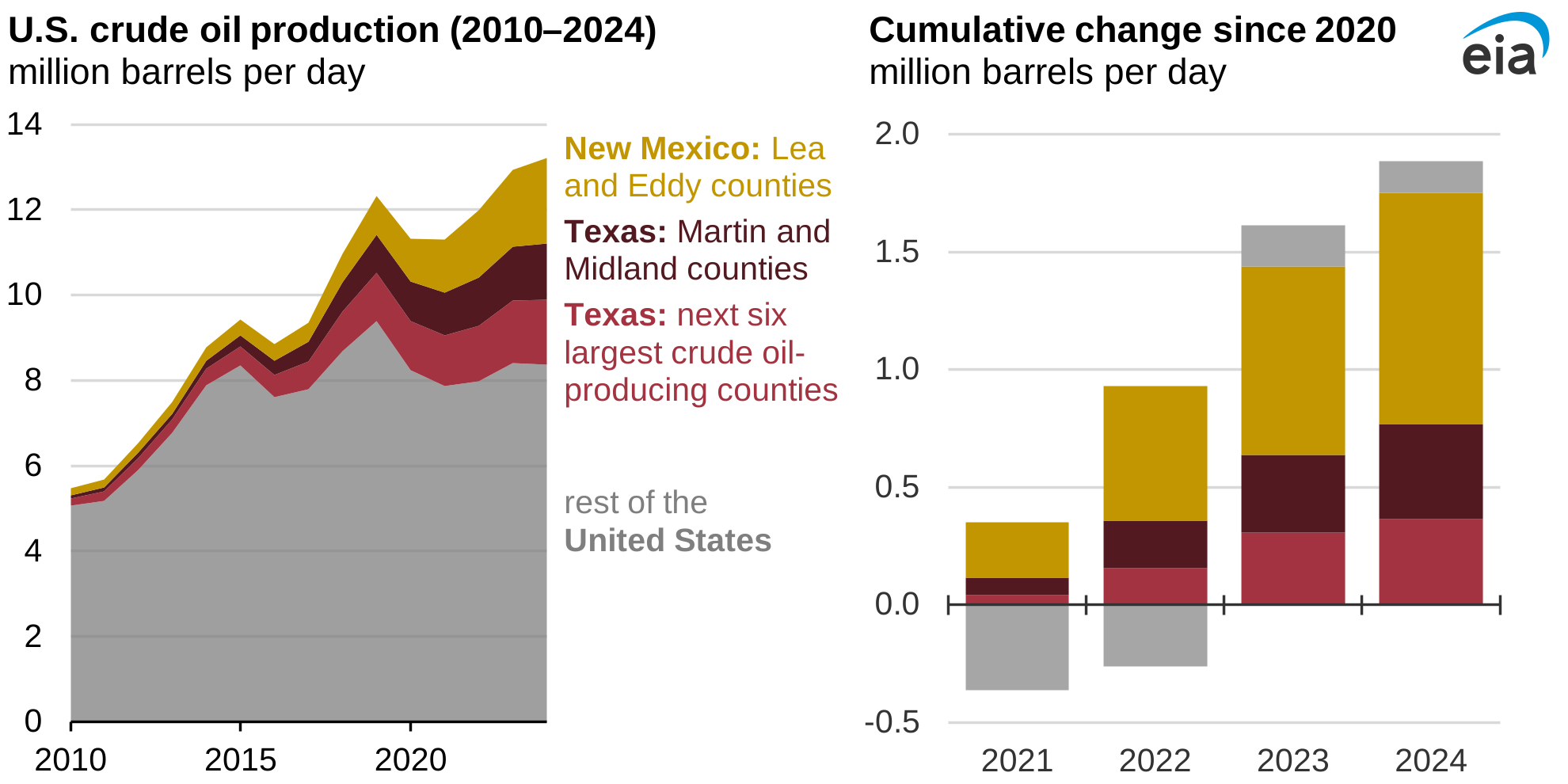
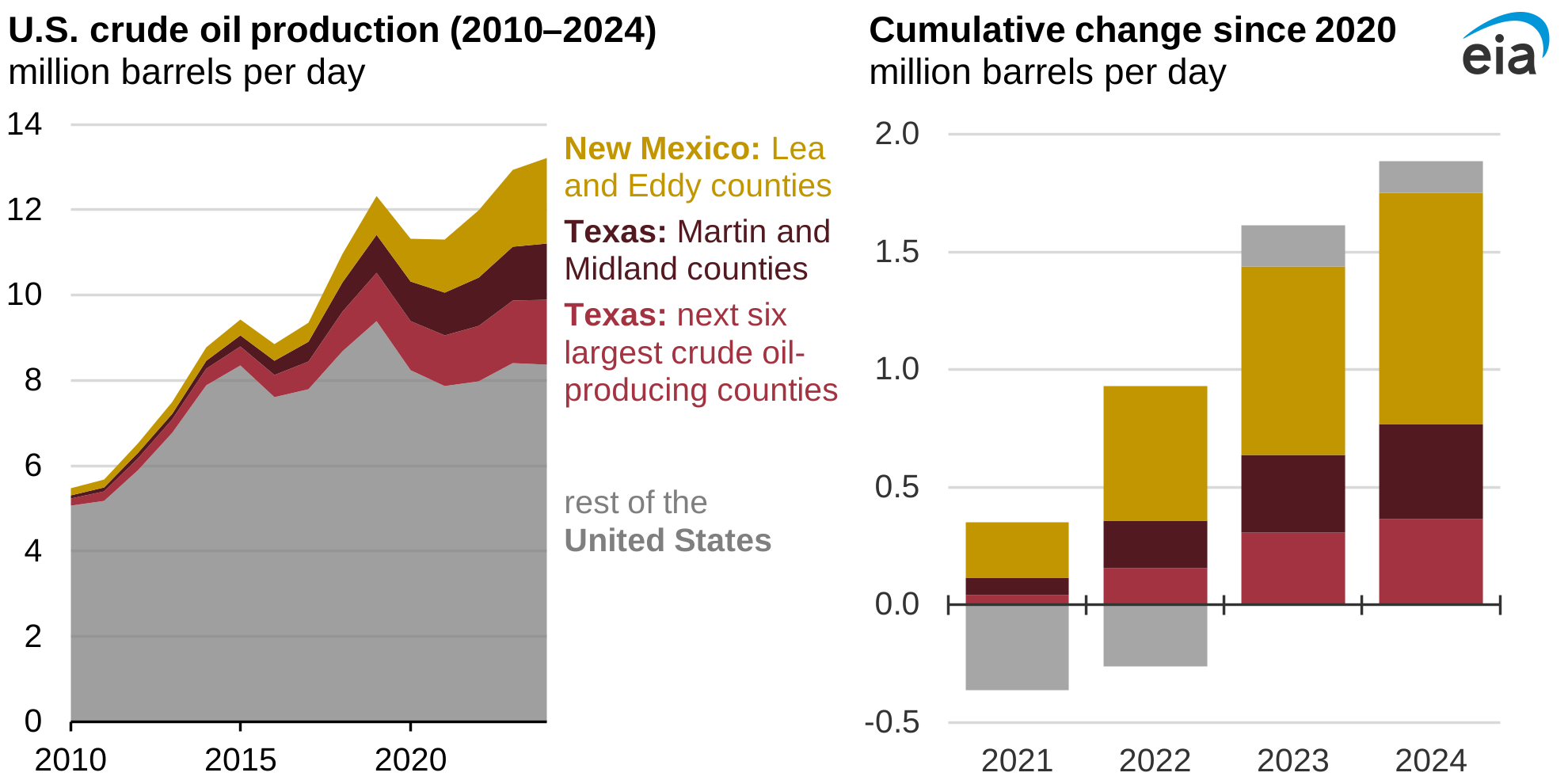
Between 2020 and 2024, total crude oil and lease condensate production in the United States grew by 1.9 million barrels per day (b/d), 93% of which was produced from just 10 counties in Texas and New Mexico. Production from the rest of the United States, including producing areas in offshore state or federal waters, grew by just 130,000 b/d.
In-brief analysis
Aug 28, 2025
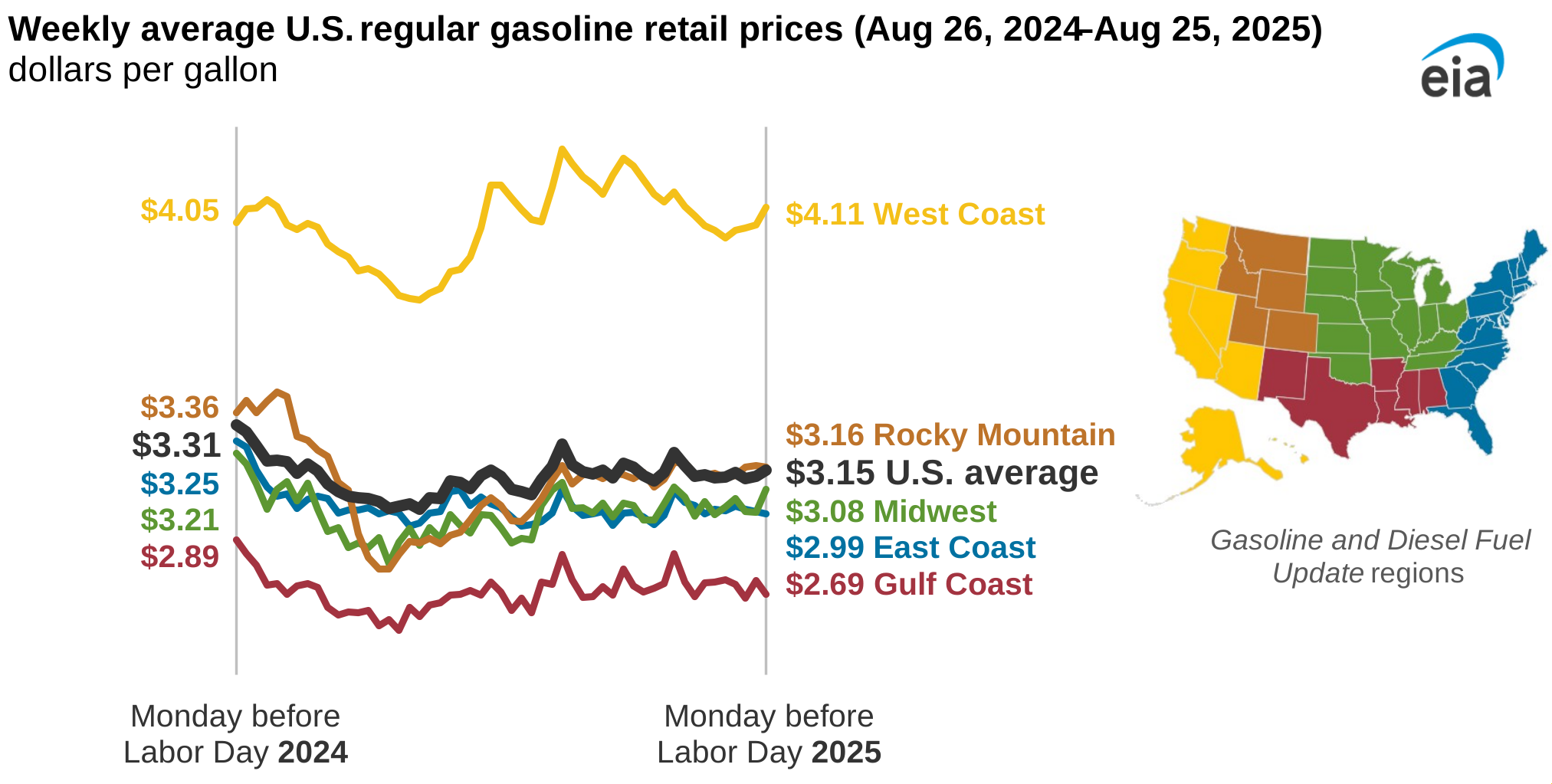
On August 25, 2025, the Monday before Labor Day weekend, the retail price of regular gasoline averaged $3.15 per gallon (gal) across the United States, 5% (or 17 cents/gal) lower than at the same time last year.
In-depth analysis
Aug 27, 2025
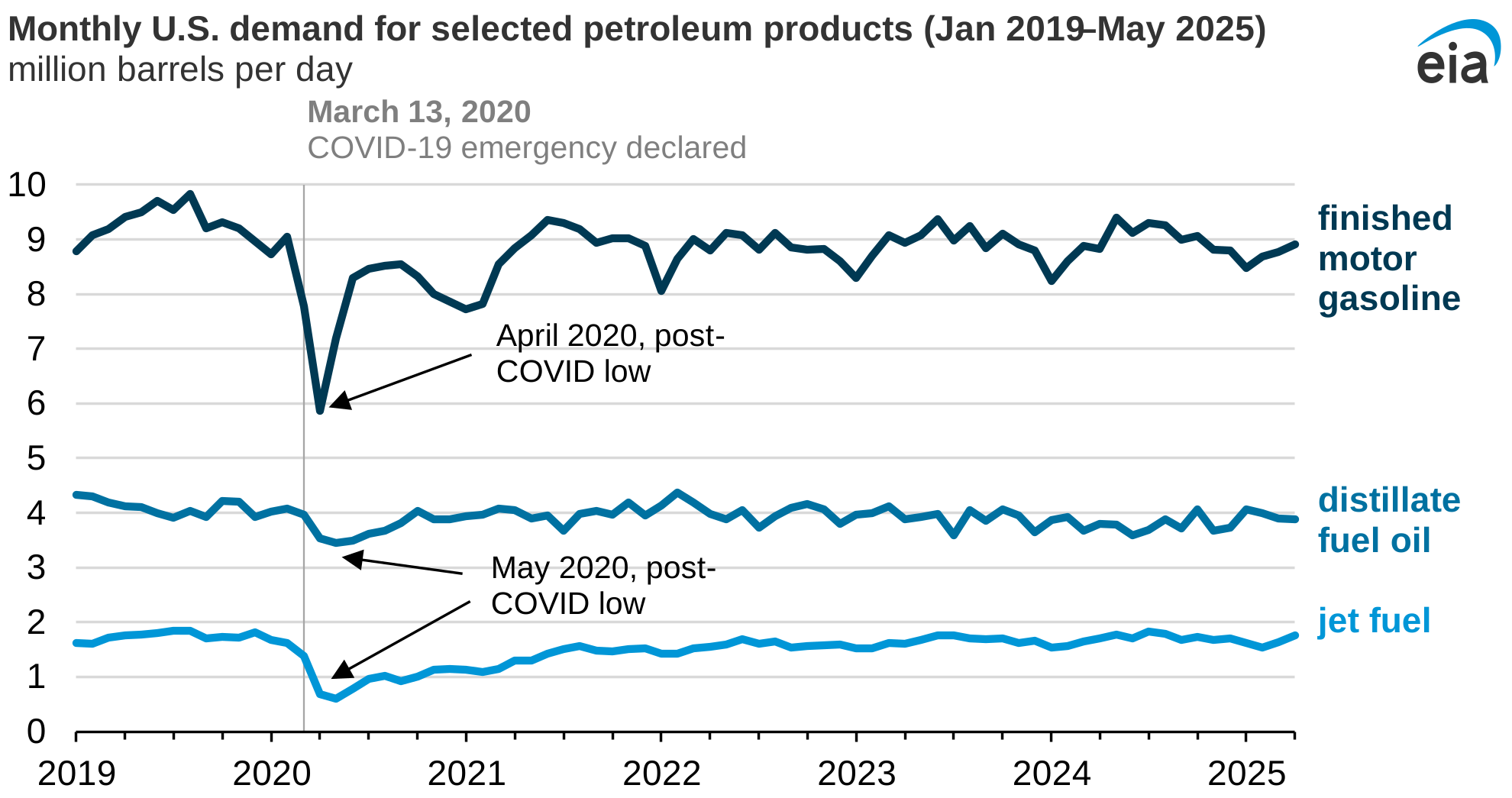
Five years after the COVID-19 national emergency was declared, gasoline demand, distillate demand, and jet fuel demand all remain less than pre-pandemic averages. Several factors are keeping demand, which we track as product supplied, below pre-pandemic levels. For example, increased fuel efficiency in the vehicle and aircraft fleets has offset increased travel, and demand for petroleum-based distillate fuel oil has been partially replaced by biomass-based distillate fuels.
In-brief analysis
Aug 26, 2025
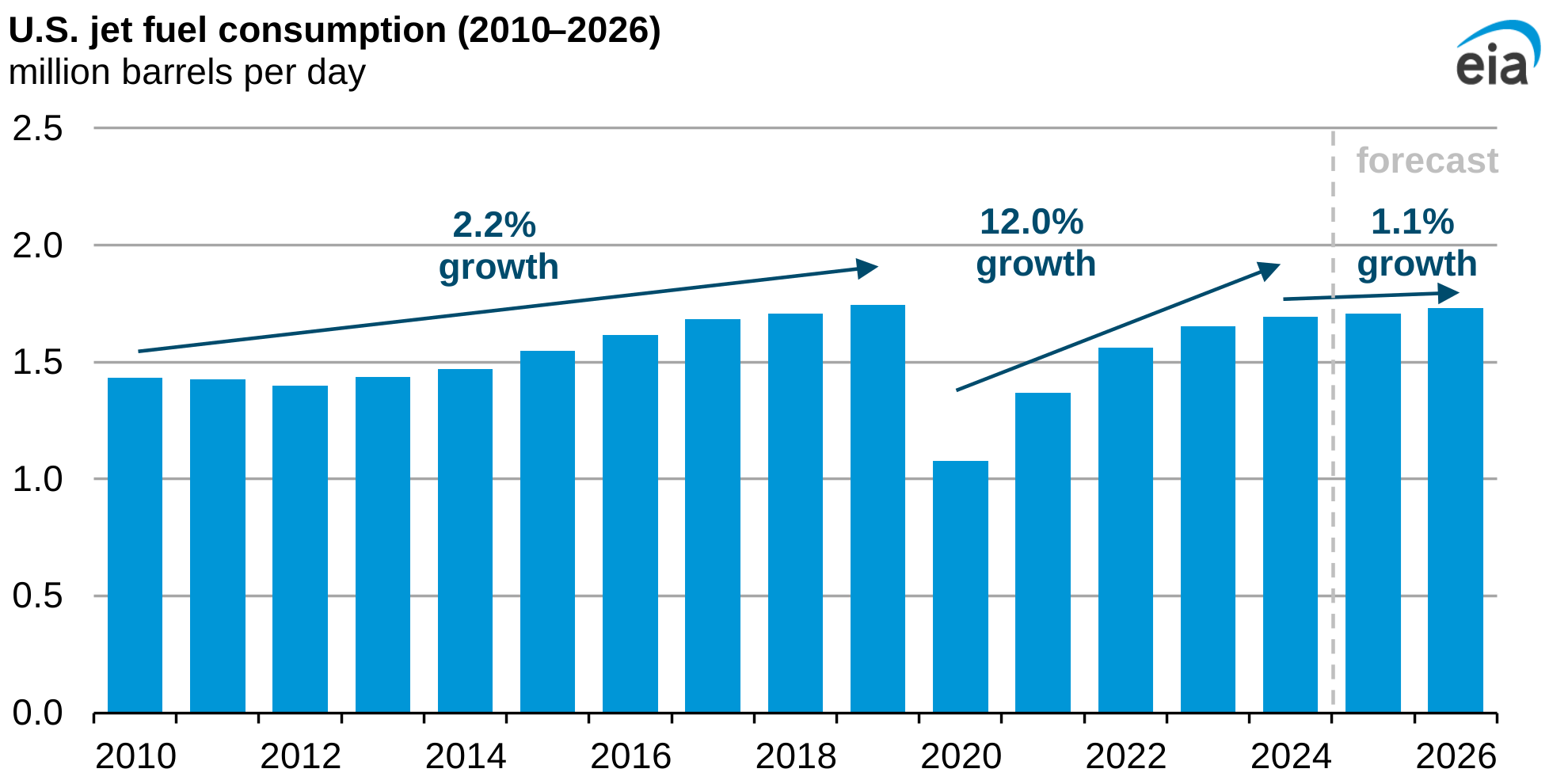
Data source: U.S. Energy Information Administration, Short-Term Energy Outlook (STEO), August 2025
Note: Growth rates are compound annual growth rates for 2010 to 2019, 2020 to 2024, and 2024 to 2026. We use product supplied to estimate consumption.
U.S. jet fuel consumption growth has slowed in 2025, following a period of rapid consumption growth after 2020, as U.S. air travel recovered from the COVID-19 pandemic. We forecast the slowdown in jet fuel consumption growth will continue through 2026, falling below both the accelerated rate of the previous four years and the longer-term growth rate seen during the 2010s. Contributing factors include rising economic concerns weighing on flight demand and ongoing improvements in commercial aircraft fleet fuel economy.
In-brief analysis
Aug 25, 2025
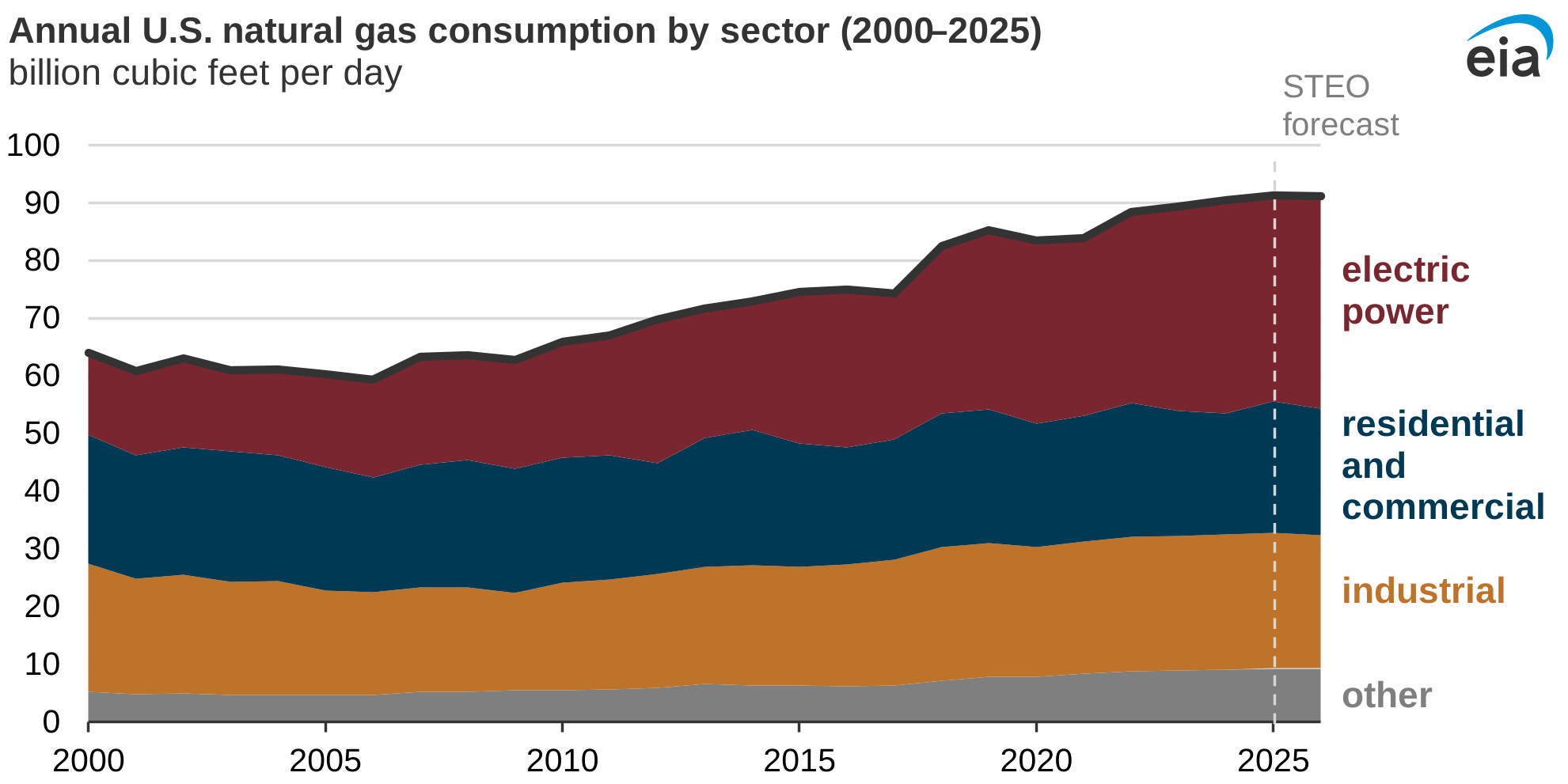
We forecast natural gas consumption in the United States will increase 1% to set a record of 91.4 billion cubic feet per day (Bcf/d) in 2025. In our latest Short-Term Energy Outlook, we expect natural gas consumption to increase across all sectors except for electric power, which had been the source of most natural gas consumption growth in the previous decade.
In-brief analysis
Aug 21, 2025
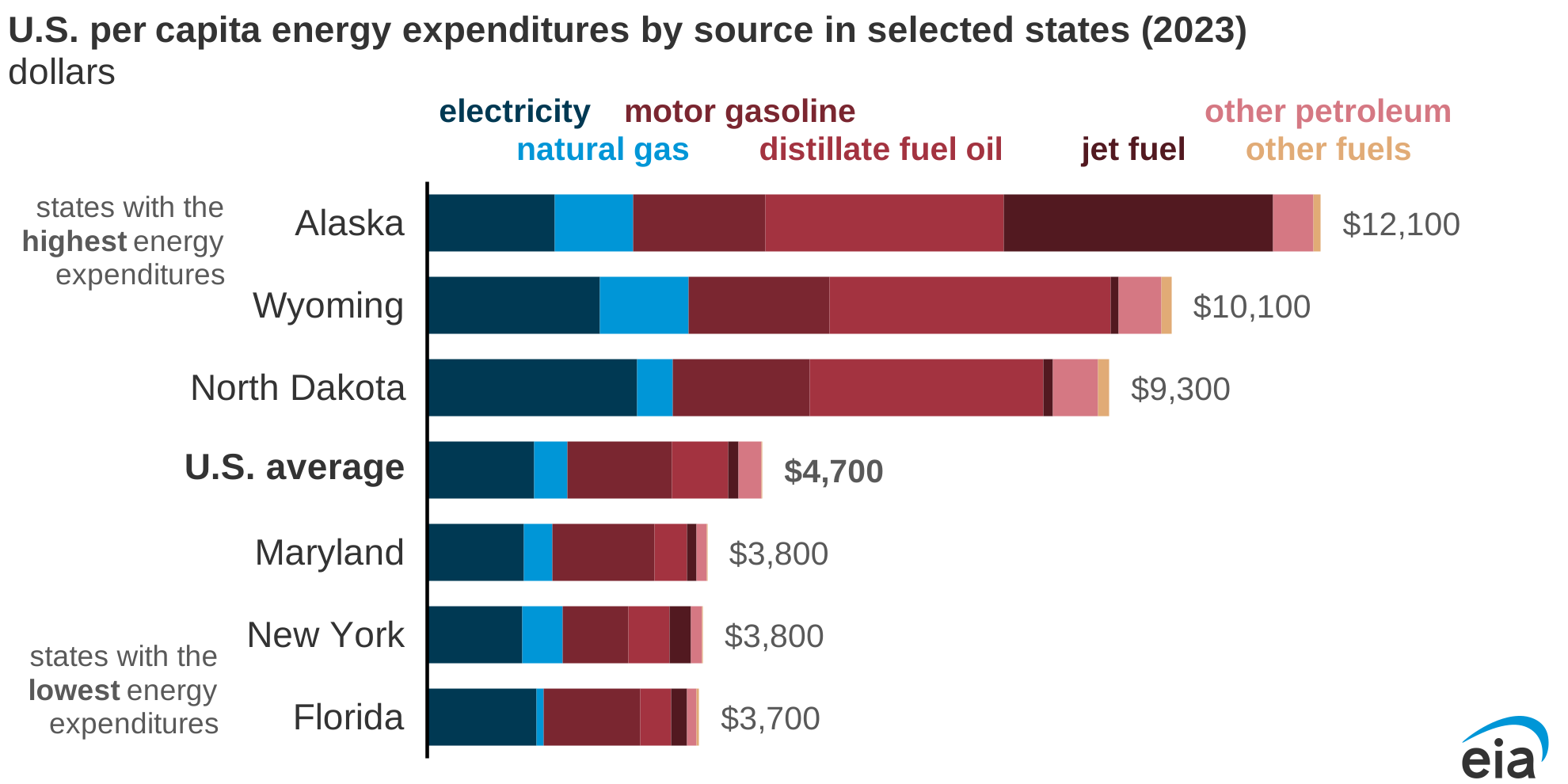
Alaska has the highest per capita energy expenditures of any state at $12,100, according to our recently published State Energy Data System information for 2023. Wyoming and North Dakota spent the next most on energy at $10,100 and $9,300 per capita, respectively. All three states spent twice as much as the national average of $4,700. Florida had the lowest per capita energy expenditures at $3,700, followed by New York and Maryland at $3,800 each.
Tags:
Alaska, states, Florida, prices, Wyoming, North Dakota, New York, electricity, natural gas, gasoline, liquid fuels, distillate fuel, jet fuel, petroleum products, oil/petroleum, industrial
In-brief analysis
Aug 20, 2025
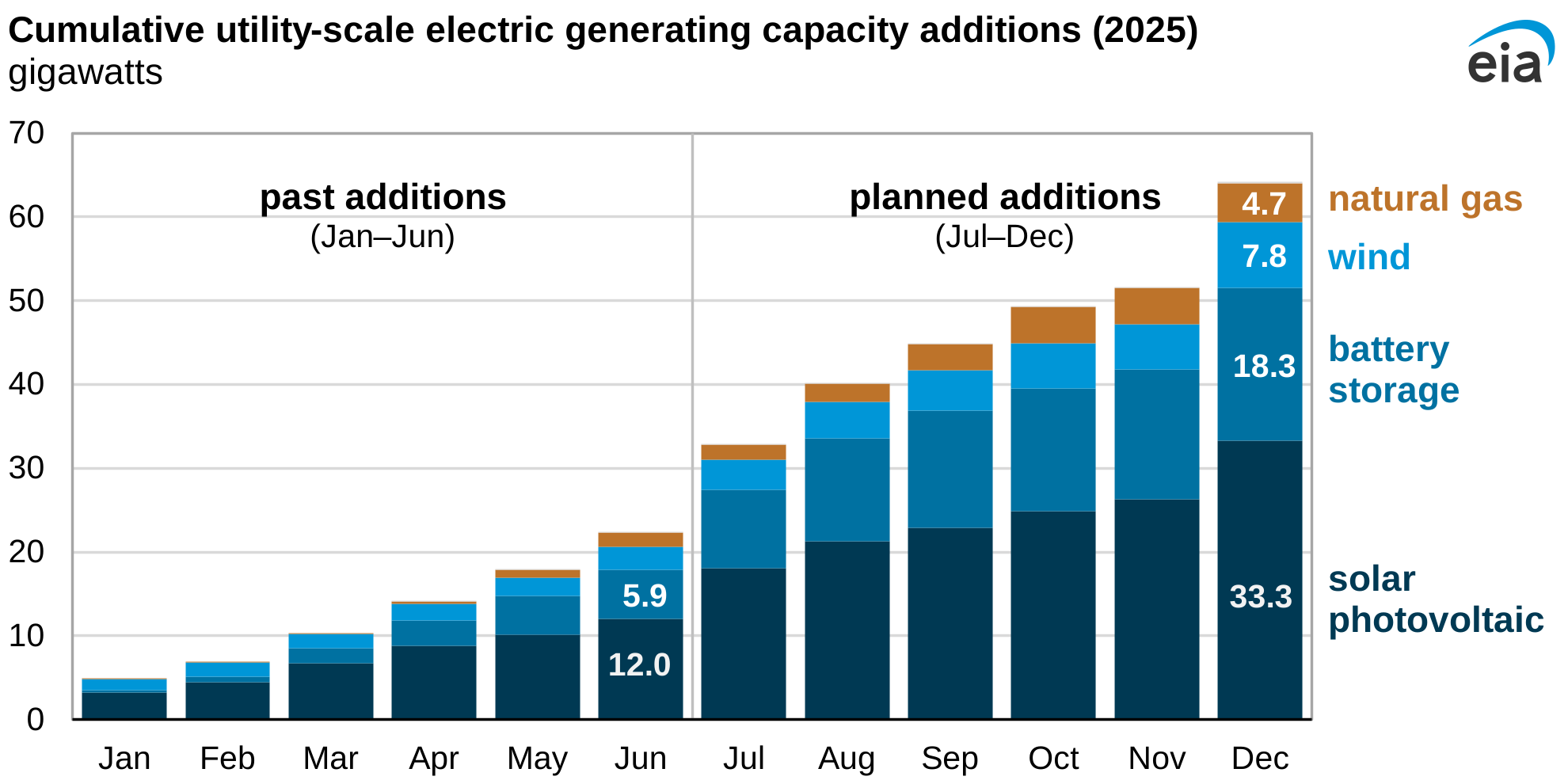
Developers added 12 gigawatts (GW) of new utility-scale solar electric generating capacity in the United States during the first half of 2025, and they plan to add another 21 GW in the second half of the year, according to our latest survey of electric generating capacity changes. If those plans are realized, solar would account for more than half of the 64 GW that developers plan to bring online this year. Battery storage, wind, and natural gas power plants account for virtually all of the remaining capacity additions for 2025.
In-brief analysis
Aug 18, 2025
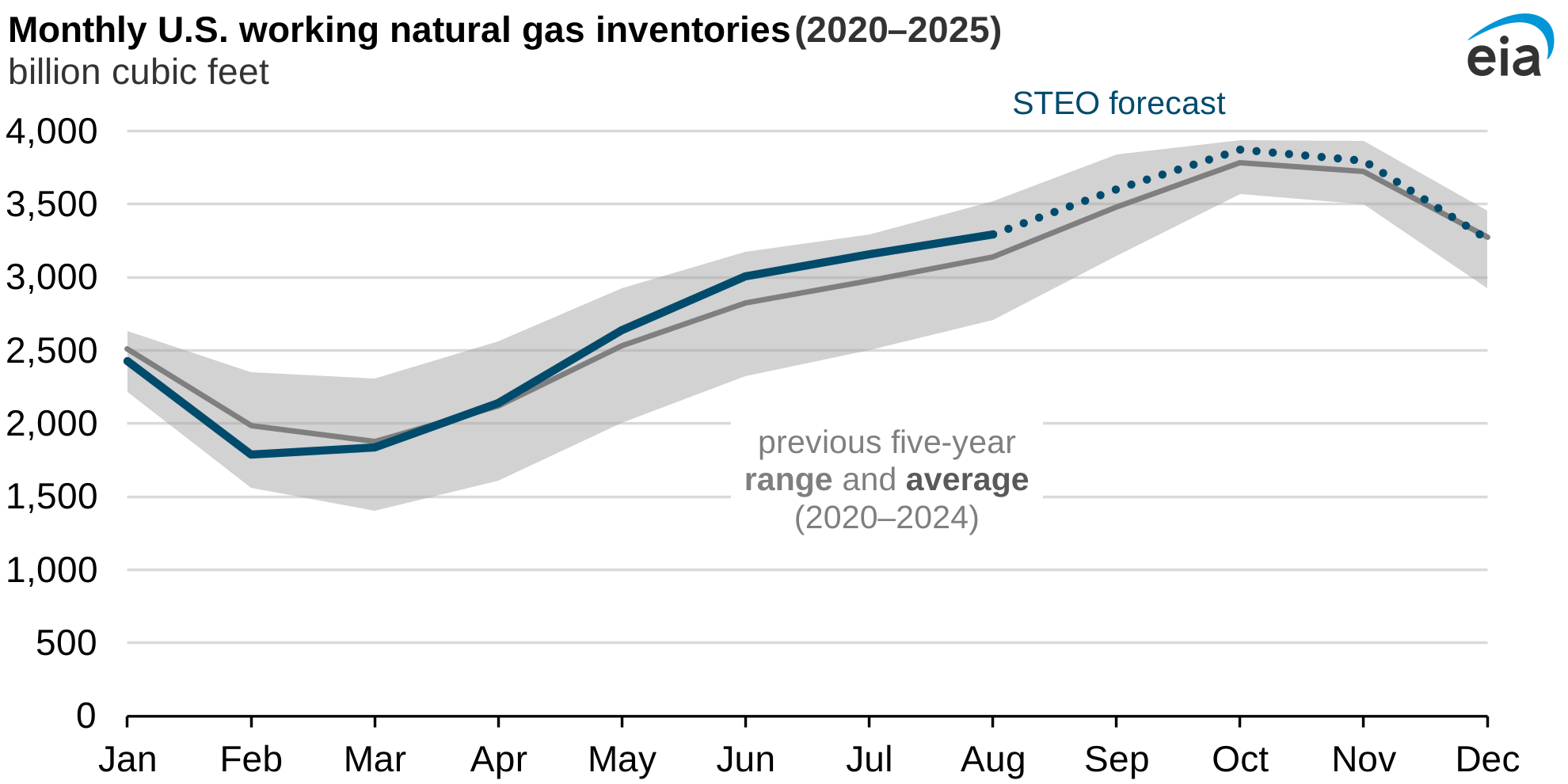
In our latest Short-Term Energy Outlook, we forecast U.S. working natural gas inventories will reach 3,872 billion cubic feet (Bcf) by the end of October, or 2% more than the previous five-year average for that time of year. Natural gas inventories grew quickly in late April through early June, with seven consecutive weeks of net injections to inventories exceeding 100 Bcf each for the first time since 2014.
In-brief analysis
Aug 13, 2025
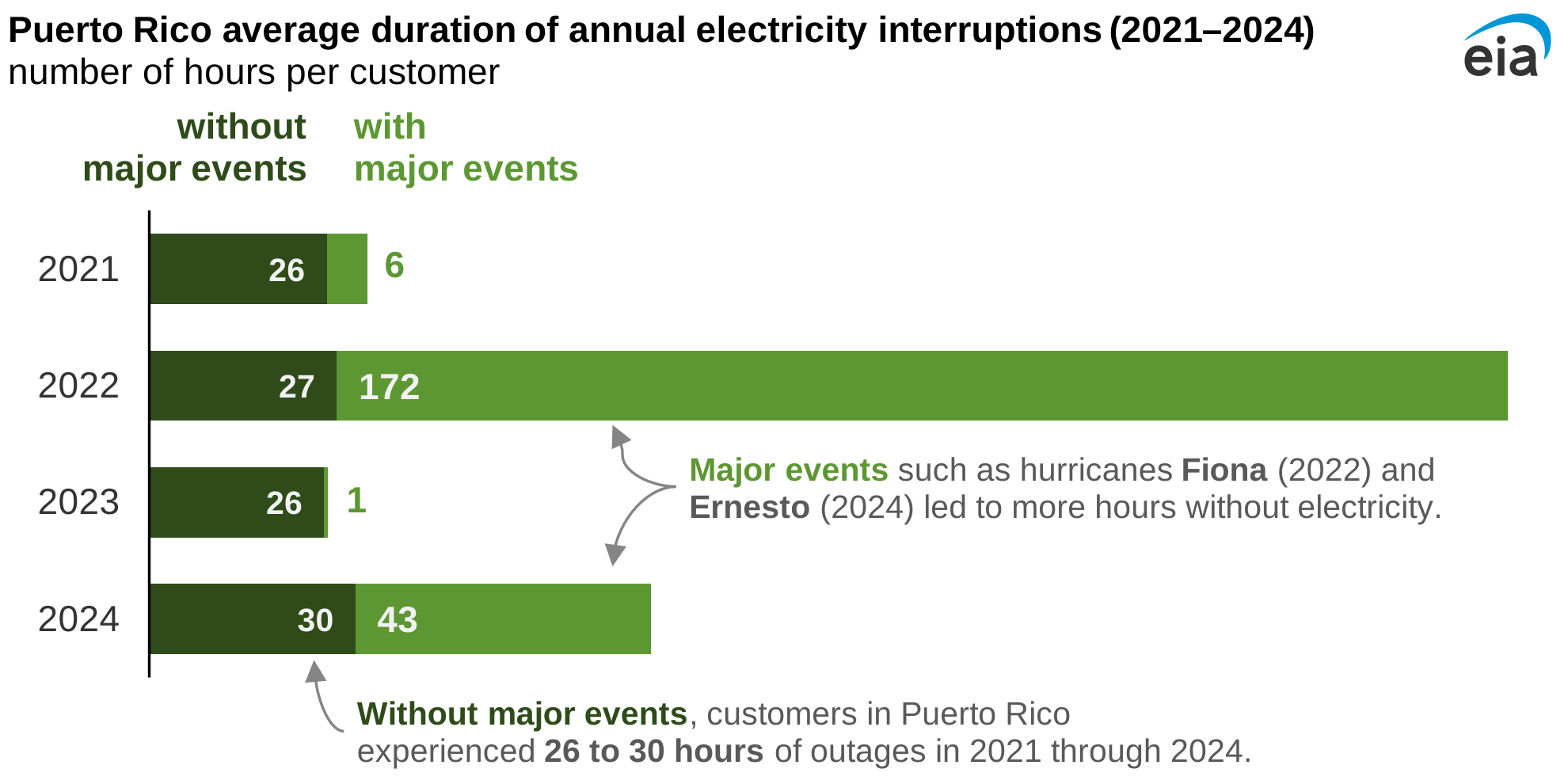
Even without accounting for electricity interruptions resulting from major events such as hurricanes, customers in Puerto Rico experienced on average 27 hours of power grid interruptions per year between 2021 and 2024. By comparison, electricity customers in the mainland United States generally experience about two hours of electricity interruptions per year without major events.
In-brief analysis
Aug 12, 2025
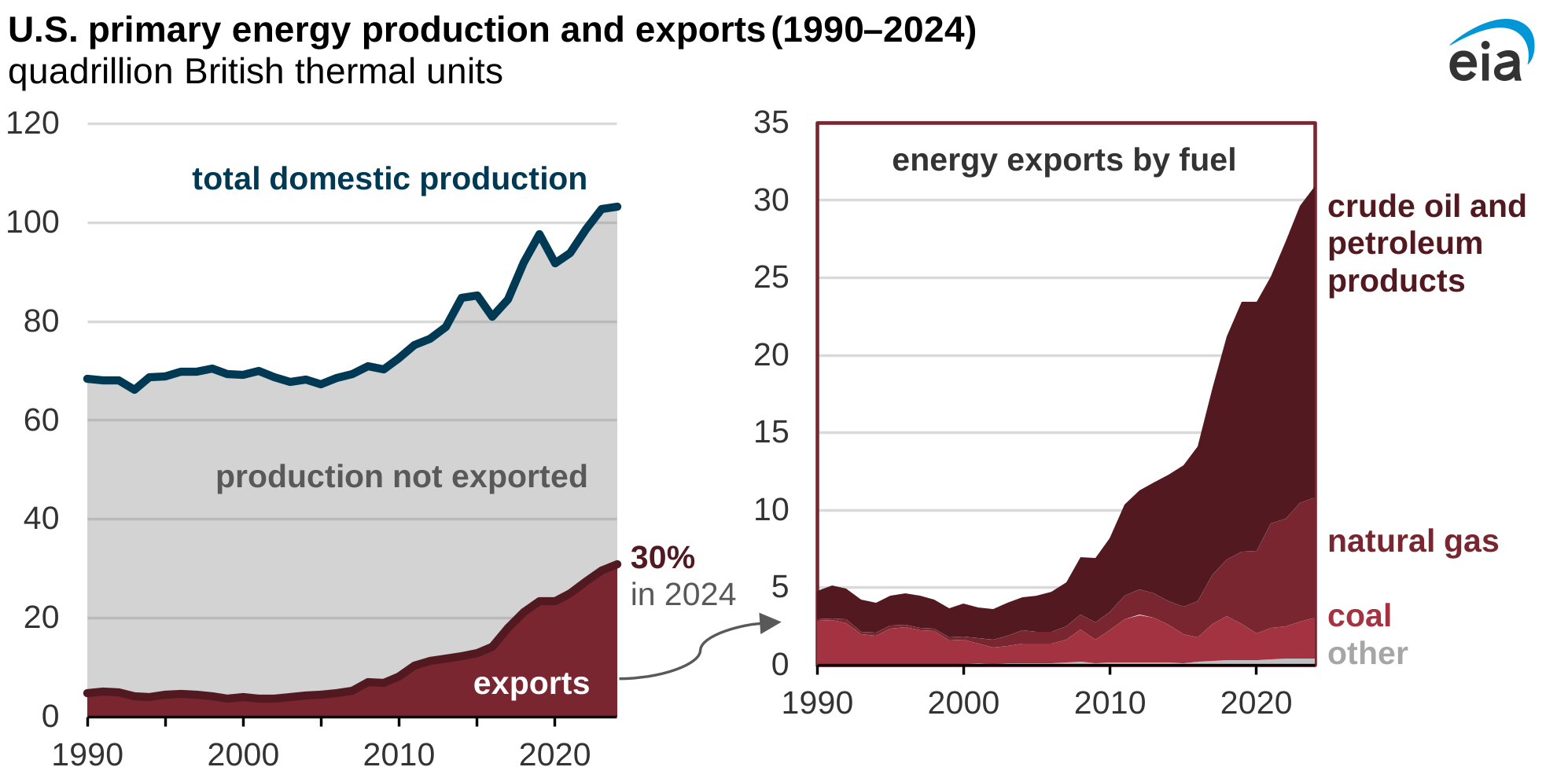
In 2024, the United States exported about 30% of its domestic primary energy production. This percentage has grown considerably in recent decades, according to data in our Monthly Energy Review. Nearly all of the exports were fossil fuels destined for other countries in North America, Europe, or Asia.
Tags:
exports/imports, production/supply, international, crude oil, oil/petroleum, liquid fuels, natural gas, coal, Europe, Mexico, Canada, India, China
In-brief analysis
Aug 11, 2025
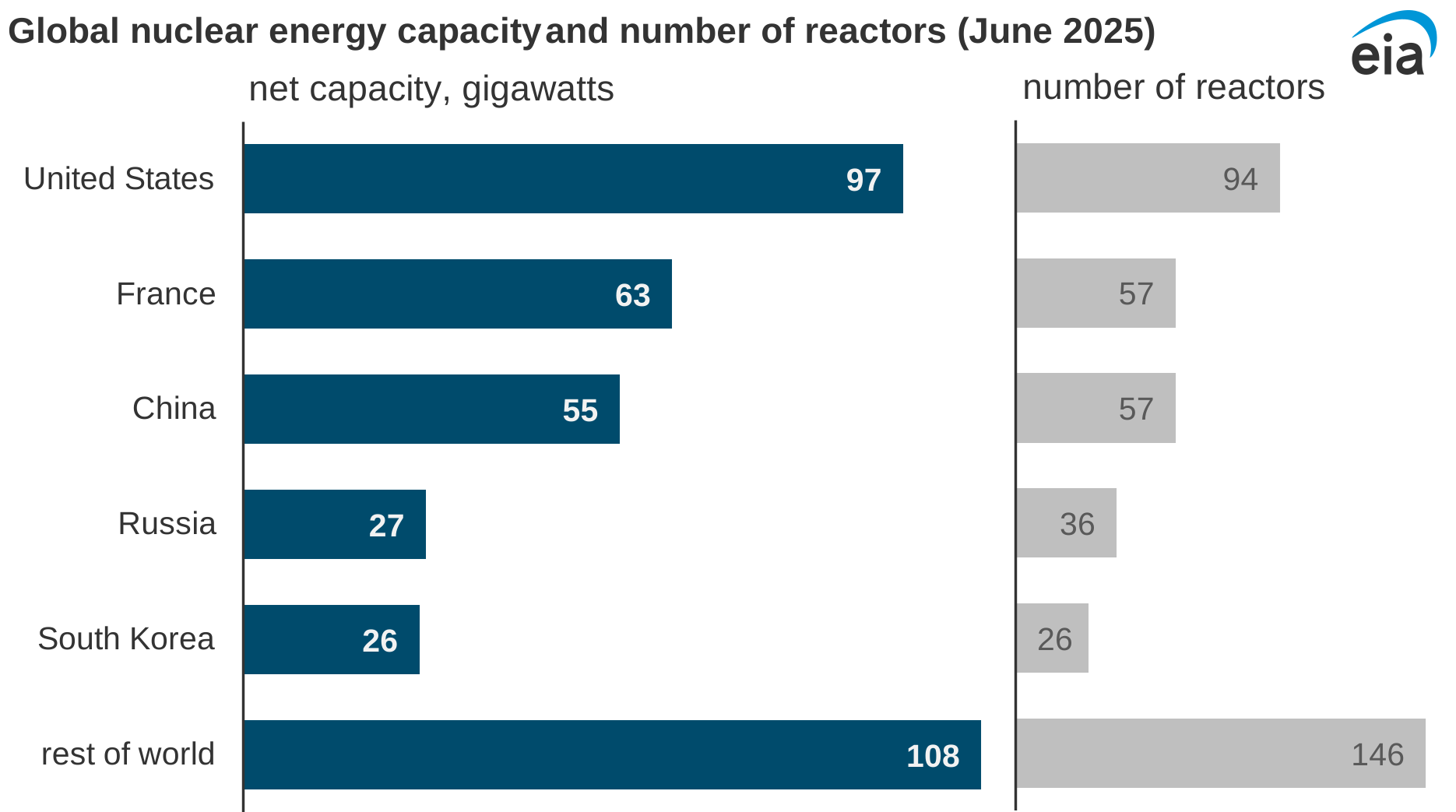
Five countries account for more than two-thirds of the world’s total nuclear electricity generation capacity. The United States has the most capacity, followed by France, China, Russia, and South Korea, based on International Atomic Energy Agency (IAEA) data as of June 2025. Globally, 416 nuclear power reactors are operating in 31 countries, with a total installed net generating capacity of 376 gigawatts (GW).
In-brief analysis
Aug 7, 2025
Data source: U.S. Energy Information Administration analysis based on Global Trade Tracker, Argus, and Vortexa
Note: Data for 2025 are preliminary. 1H25=first half of 2025. figure data
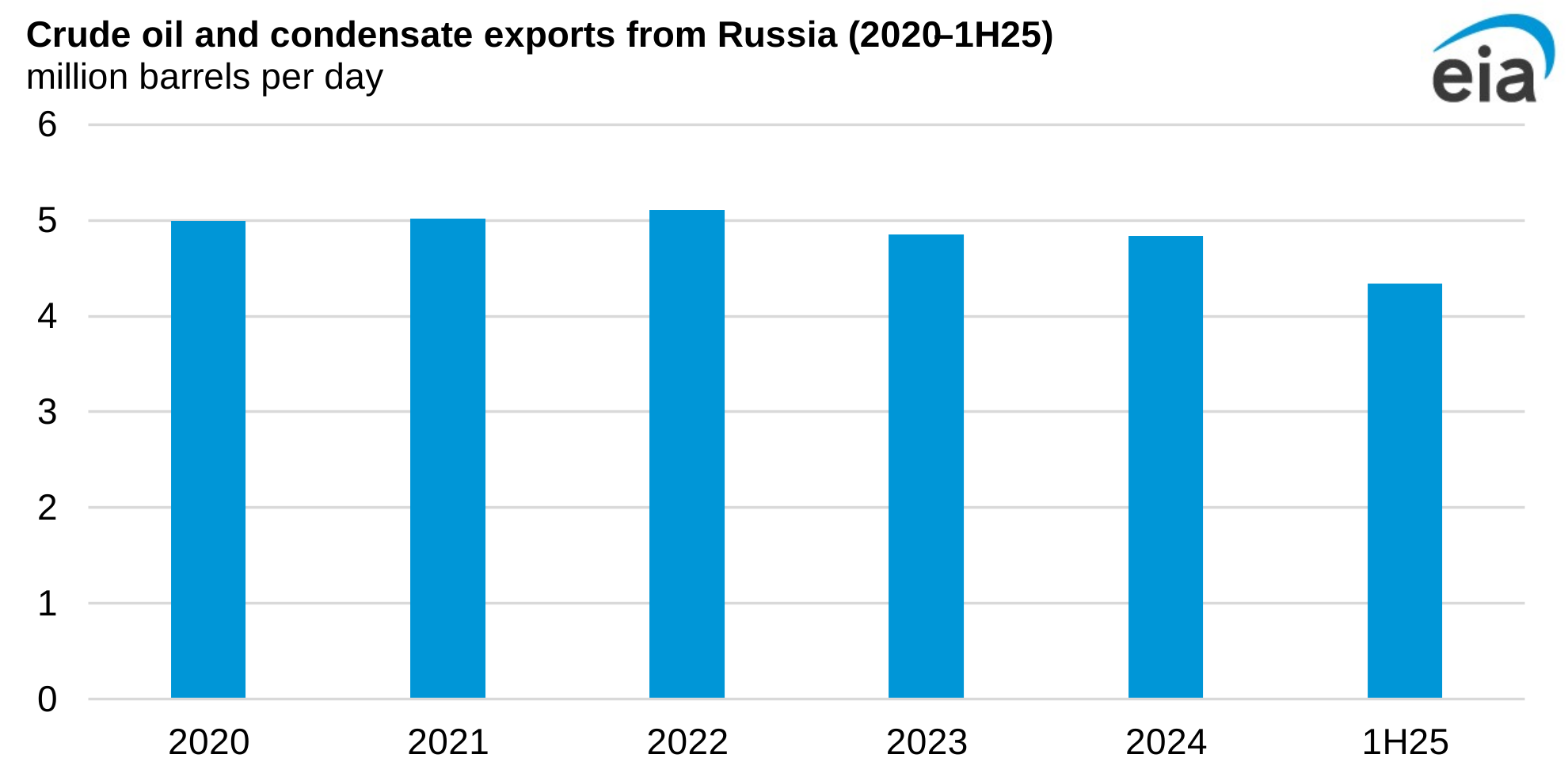
From 2020 to 2024, crude oil and condensate exports from Russia averaged 5.0 million barrels per day (b/d). Exports from Russia in the first half of 2025 (1H25) were 4.3 million b/d (compared with 4.8 million b/d in 2024). Even as crude oil export volumes from Russia have remained relatively high, the destination of these exports has shifted, mainly due to sanctions related to Russia’s full-scale invasion of Ukraine in February 2022.
In-brief analysis
Aug 6, 2025
Data source: CME Group, Bloomberg L.P.
Note: Refinery margin is calculated as the 3-2-1 crack spread on the U.S. Atlantic Coast, which represents the price of two barrels of gasoline and one barrel of distillate fuel oil minus three barrels of Brent crude oil. 2Q25=second quarter of 2025
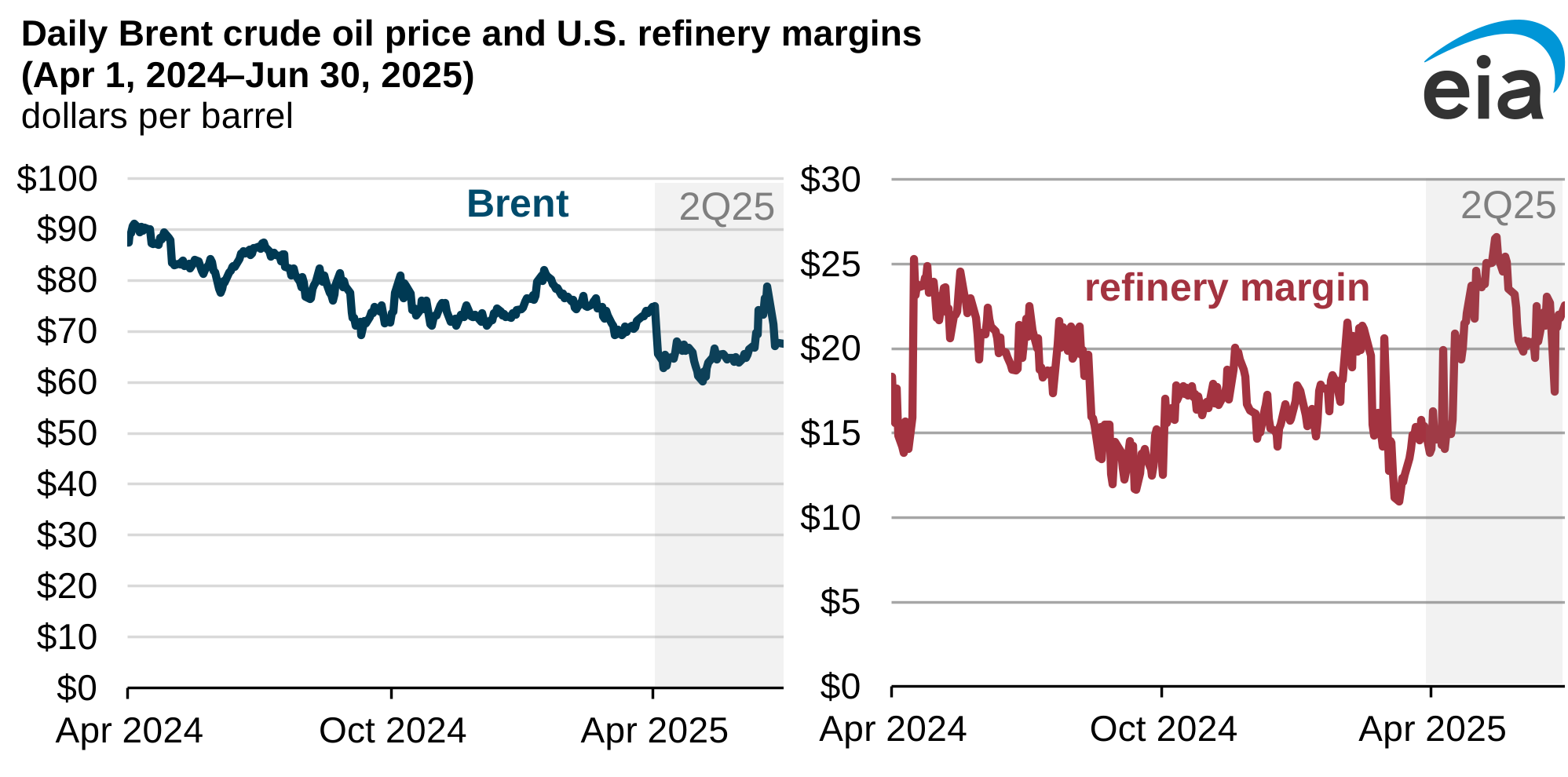
Energy prices—along with other globally traded commodities, equities, and currencies—were more volatile in the second quarter of 2025 (2Q25) amid significant uncertainty from concerns over economic growth as well as geopolitical tensions in the Middle East. The geopolitical uncertainty has affected crude oil prices and refinery margins, and shifting government policies have affected biofuel compliance credit prices.
In-brief analysis
Aug 5, 2025
Data source: U.S. Energy Information Administration, Form EIA-930, Hourly and Daily Balancing Authority Operations Report
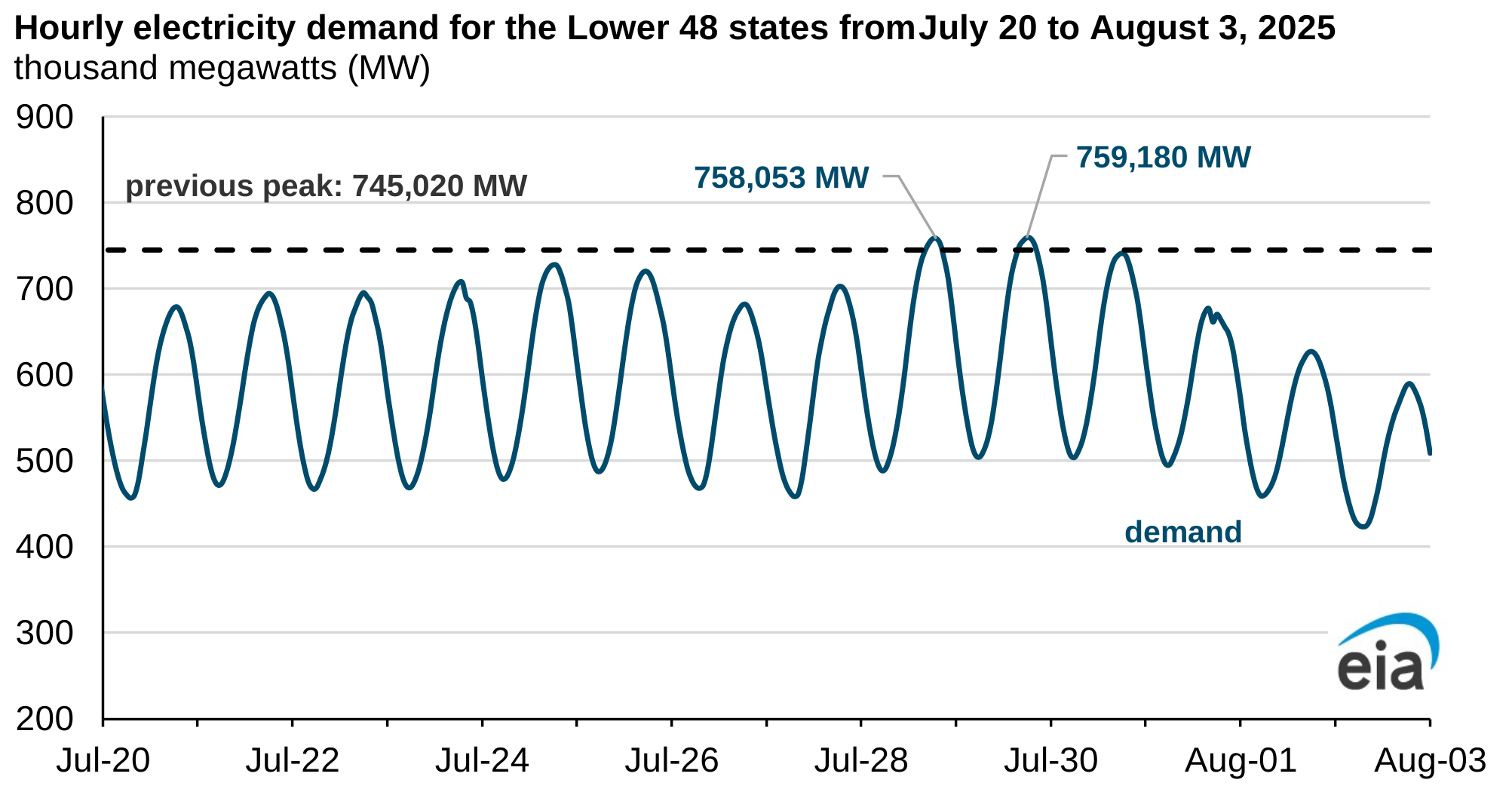
Electricity demand in the Lower 48 states exceeded previous peaks on two days in the last week of July.
In-brief analysis
Aug 4, 2025
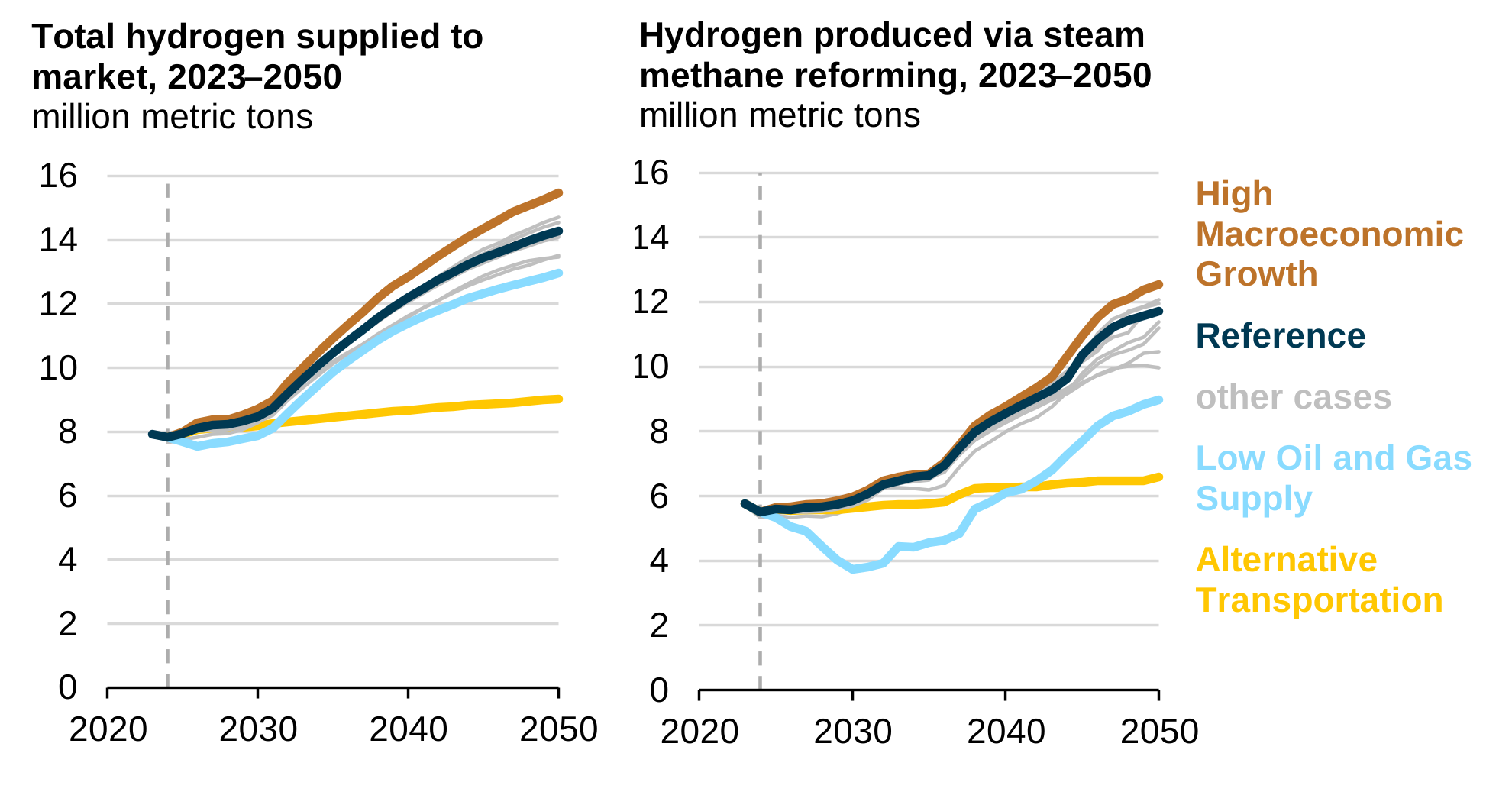
In our recently published Annual Energy Outlook 2025 (AEO2025), we introduced our new Hydrogen Market Module (HMM), which allows us to model the market for hydrogen in the coming decades.