
Those working with young people in Dublin’s north inner city are reporting “feeling unsafe”, according to a local organisation.
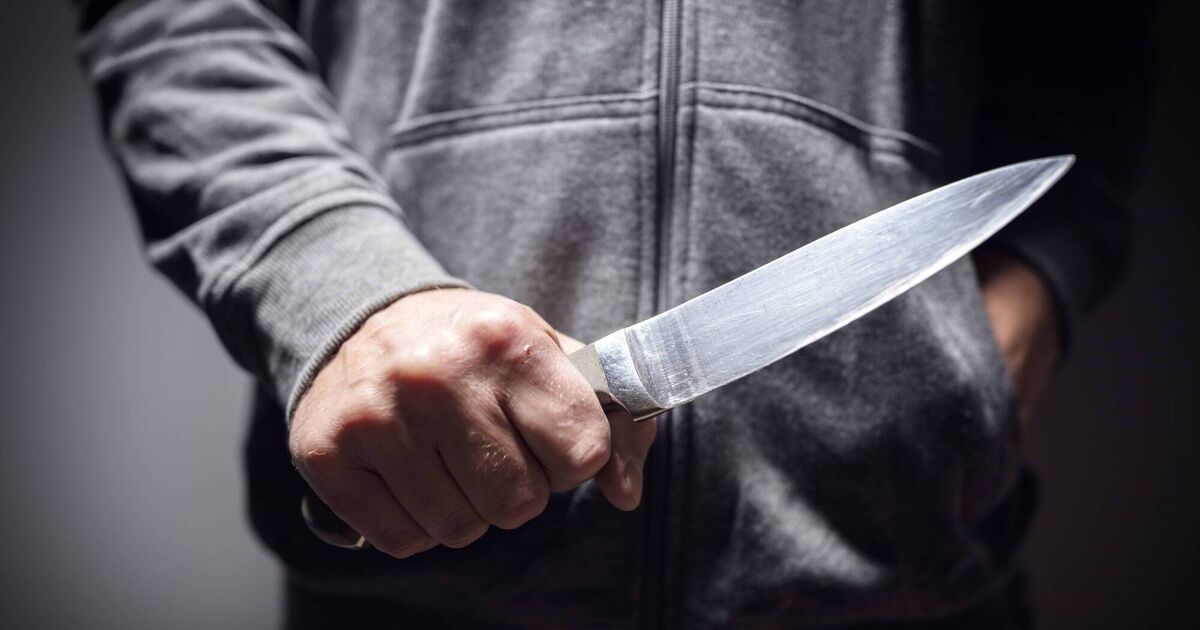
It comes as gardaí make progress in identifying a group of young males who stabbed a 17-year-old on the north quays near Liberty Hall on Sunday night.
Investigators suspect the youth may have been “set up” by the group of masked youths on e-scooters, when he was knifed up to 20 times outside a pub on Eden Quay at around 10pm.
Despite suffering significant injuries, the youth has been able to talk to detectives in hospital. The teenager is believed to know his attackers but has so far declined to assist in identifying them.
It was the second stabbing in the city centre over the weekend, following an attack on an English tourist in Temple Bar. Gardaí have arrested and charged a man in relation to that.
Gardaí say reported crime statistics show there has not been a rise in violent crime and point out that 100 extra gardaí have been sent into the city centre this year under a policing plan.
YPAR (Young People at Risk), an interagency initiative in Dublin’s north inner city, said the extra gardaí on O’Connell Street and surrounding streets is “pushing” more of the problems into the north east inner city.
“Policing is less visible in our area and we have a lot of gangs of youth roaming around, primarily selling drugs on scooters,” YPAR co-ordinator Patrick Gates told the Irish Examiner.
“There are certain areas where it is really difficult to walk as the groups are quite intimidating,” he said. “It’s not acceptable that we are handing over control of certain areas to drug dealers.”
State agencies, such as Tusla and the Gardaí, sit on YPAR’s steering committee, along with local youth and community projects.
Mr Gates contends that “violent crime is on the increase” and said people in the area have noticed that. He said YPAR held a meeting on Monday with locals working in projects and with young people.
“The feedback is people on the ground believe there is an underlying violence, aggression out there and even the workers themselves say they are not feeling safe.
“Violence and drug crime is a blight on this area and it makes it really difficult to address other issues, the huge social problems of housing, poverty, homelessness and inter-generational trauma.”
Garda statistics published last month show there has been a rise nationally in serious assaults involving a knife in the last 10 years – from around 250 in 2015 to just over 300 in 2024.
But it shows that the number taking place on the street, or in the open, has fallen, from 95 to 93. The drop has been even more significant in recent years, from 118 in 2023.
Since 2015 there has also been a shift towards knife attacks in the home, with domestic incidents rising from 110 to 155 in 2024.
Retail robberies involving knives have dropped dramatically (383 to 191) and robberies of people involving knives have also decreased (283 to 234).
There has been an increase in knives being seized by gardaí, from 1,362 in 2015 to 2,172 in 2024.
These figures shows a significant increase in knives seized in Dublin North Central (including the north inner city) – from 144 to 325 and in Dublin South Central (including south inner city) – from 144 to 256.