
This is the document the Air Force hoped would never surface – an internal investigation launched shortly after October 7th and quietly buried. Now, minute by minute, we piece together what the Air Force knew that night, what it failed to do, and perhaps, what it chose to conceal.
The official claim maintains that the Air Force was unaware of the unfolding disaster until around 5:00 a.m. But the timeline tells a different story.
At 2:50 a.m., the first dramatic phone call was made. The head of the Operations Department within the IDF Operations Division contacted the Air Defense Commander of the Israel Air Force: “There are worrying signs in the south,” he warned. Something unusual was happening in Gaza.
By 3:20 a.m., a briefing was convened among senior officers. “We need to take this seriously,” said Shlomi Binder, head of the Operations Department. He urged the redeployment of forces. Yet the Gaza Division and Southern Command dismissed the concern, insisting nothing out of the ordinary was taking place. Binder, however, pressed his Air Force counterpart to act.
At this point, the Air Force was fully engaged in the incident. Conversations among senior officers intensified – except with one key figure: Air Force Commander Tomer Bar. He was asleep, and no one called him.
Between 3:30 and 4:00 a.m., the Commander’s head of operations sent him updates about unusual Hamas movements. The messages were received but never read. Even after another message informed him that Southern Command had closed the incident, Bar remained unaware – and those around him did not insist on waking him.
Around 4:00 a.m., Binder asked via WhatsApp whether the Commander had been updated. A senior officer replied that he had – though Bar was still asleep, disconnected from the developing situation, and uninformed of the unusual findings.
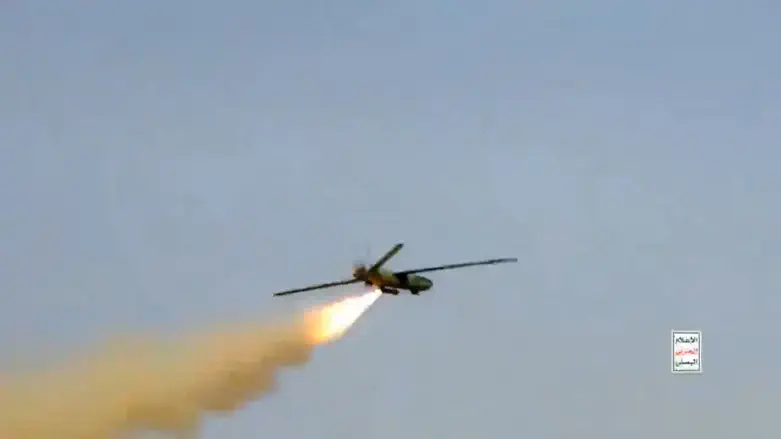
Shortly after 4:00 a.m., as reports poured in from the field, IDF intelligence identified several irregular activities in Gaza – increased movement of Hamas drones in multiple locations. The information was collected and analyzed in real time but remained within the division, never forwarded up the chain.
After 5:00 a.m., two key events occurred almost simultaneously. The Commander finally woke up and received his first update call. A top-level meeting was set for 8:30 a.m. Bar, however, asked to be excused and instructed an intelligence officer to attend and brief him later.
Meanwhile, at that very hour, the head of the Air Force’s collection branch alerted two drone squadron commanders stationed near Palmachim base. “Something strange is happening,” he told them, urging them to prepare their systems for a possible escalation.
By 6:30 a.m., everything changed. The Hamas attack began. The Air Force, at its lowest alert level, was caught off guard and forced into a desperate, uncoordinated response to an unprecedented assault.
When the findings of this internal investigation were later presented to senior officers, they were stunned. Despite the Air Force’s longstanding reputation for rigorous self-examination and professional integrity, the leadership decided in mid-2024 to shelve the report – originally presented at a February 2024 conference – and replace it with a revised, sanitized version.
What remains are the traces of a buried truth – and a record of what was known, what was ignored, and what was never meant to be seen.