

Half of people consuming non-alcoholic drinks do so while driving, while almost a fifth of vapers have never smoked cigarettes
Middle-aged to older women are managing the least shut-eye, worrying findings from a Department of Health report revealed.
Although eight hours is recommended for good health, on average people are only managing 6.9 hours, the latest Healthy Ireland survey of our lifestyle habits showed.
The extent of so many people having a shorter night’s sleep at 32pc, up from 25pc before the pandemic, may hint at hidden stresses and pressures like long commutes.
Harmful alcohol use may be down – but young women in particular may be sliding into more drinking.
And despite the warnings and campaigns, with Ireland being a leader in smoking bans in the past, traditional cigarette-smoking rates have remained stubbornly at 17pc since 2019.
It found 20pc of men smoke compared to 14pc of women, with the highest rates in the 20-24 age group.
Another 8pc of the population are using e-cigarettes or vapes either daily or occasionally, highest among the 15-24 year age group, particularly women.
Around half of all e-cigarette users are former smokers, while 33pc are current smokers but concerningly, 17pc of vapers never smoked.
The Ipsos B&A annual survey, which started a decade ago, found 82pc of people described their health as “good” or “very good”, up from 80pc in 2023, but below the 85pc rating 10 years ago.

There has been a slight drop in people over 15 drinking alcohol. Photo: PA/Posed
The most common illnesses are high blood pressure (8pc), followed by arthritis (7pc), high cholesterol, asthma and diabetes at 5pc while mental health conditions affect 3pc.
The survey confirms a slight drop in people aged 15 and over drinking alcohol in the past year, down to 71pc from 73pc in 2024.
It found 35pc of people drink at least once a week, down from 38pc in 2023.
Ten years ago people aged 25 to 35 had the biggest problem when it came to harmful drinking but concern has moved to the 15-24 age group.
The survey found there has been a rise in harmful drinking among women aged 15 to 24 but no change for men.
While some of the worst excesses have been tempered over the years 36pc of people (51pc of drinkers) consume alcohol at a harmful level. Men at 47pc are more likely than women at 25pc to have this problem.

Harmful alcohol use in general is down. Photo: Getty
Today’s News in 90 Seconds – Saturday, November 8
Significantly, more people are turning to non-alcoholic wine, beer or spirits with half consuming them when they are driving.
Around 29pc go for the non-alcohol option to reduce their alcohol intake for the sake of their health. And 16pc use them when they need to get up early and want to avoid a hangover.
The study also looked at carers, and found women make up 60pc of this group, rising to 65pc among parents looking after a child.
Middle-aged women account for 27pc of adult carers and 55pc of parent-carers.
Self-reported good health is similar to other women in this age group, but long-standing illness is slightly higher .
Health behaviours are mixed, and 13pc of midlife women carers smoke and 5pc use e-cigarettes, in line with other women of the same age.
However, alcohol consumption is higher – 25pc of midlife women carers drink several times a week compared to 18pc of this age group on average.
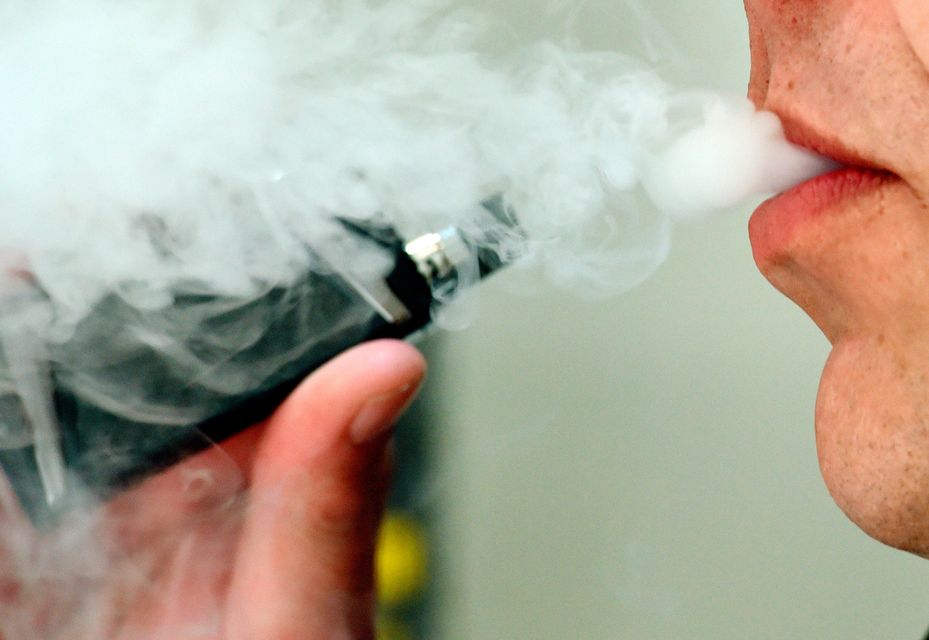
E-cigarette numbers have stayed static for two years. Photo: PA
The survey also examined women’s experience of the menopause. Some 77pc of women of women who are experiencing or have gone through menopause reported “temperature regulation” issues like hot flushes.
Fatigue was reported by 66pc, difficulty sleeping or insomnia by 56pc, increases in low mood or rapid mood changes by a similar number. More than half had problems with memory or concentration while 38pc had mild symptoms.
Some 34pc of people aged 18 or above said that they or their partner currently use contraception or family planning.
But 66pc do not currently use any form of contraception with 3pc of these because they are trying to conceive.
Chief medical officer Prof Mary Horgan said that the “data in this survey provides us with the insights required to keep moving forward, by improving existing initiatives and developing new policies that protect and improve the long-term health of the population”.
Minister of State Jennifer Murnane O’Connor said: “Rates of smoking and e-cigarette use have remained static for the last two years, at 17pc and 8pc respectively.
“While e-cigarettes can be a valuable quit aid for smokers, usage rates have risen from 6pc in 2022 and are highest amongst 15-24 year-olds.”
She added :”We must stay focused on prevention, protection and support so that healthier choices become the easier choices for everyone.”