
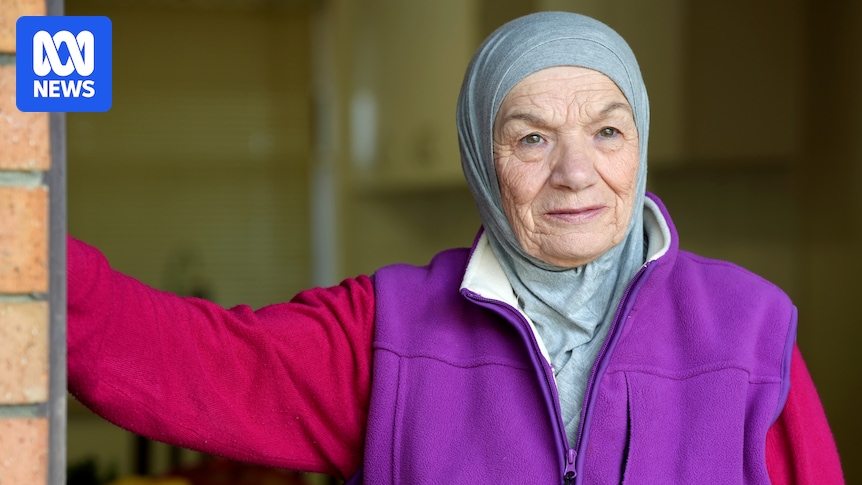
It took years for 72-year-old Sena Husic to undergo crucial spinal surgery to fix a debilitating pinched nerve in her back.
“It would cause my legs to go numb, making it difficult to walk and I would fall often as a result,” she said.
The grandmother would have sought help sooner if the medical system had been easier for her to navigate.
She moved to Canberra 30 years ago as a refugee fleeing the Bosnian War.
Despite years of trying, her English is extremely limited.
“We came here from a war zone — we were stressed and traumatised,” she told the ABC through a interpreter.
“It was so hard to learn English, whereas my grandchildren who are born here and go to school speak English perfectly.”
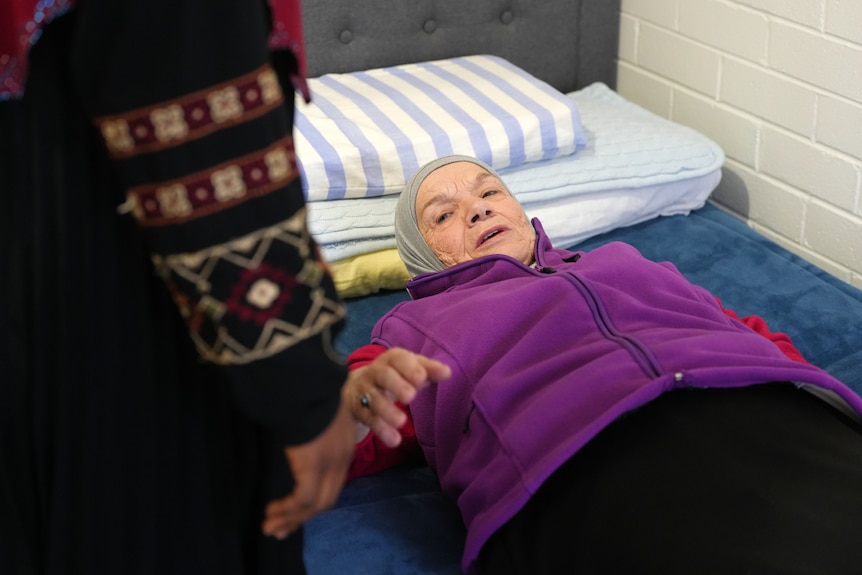
It took longer for Sena Husic to receive treatment because of the language barrier. (ABC News: Lily Nothling)
Ms Husic is reliant on family members or interpreters for medical appointments — a system that can often lead to confusion and mix-ups.
Medical terms can be difficult to translate, and often interpreters attend over the phone.
“When we first got here, an interpreter would come to the doctor’s appointment in person — that was much nicer,” Ms Husic said.
“Now they do it over the phone, which is hard for me.
“I can’t understand well, and I also can’t hear very well because I have hearing aids.”
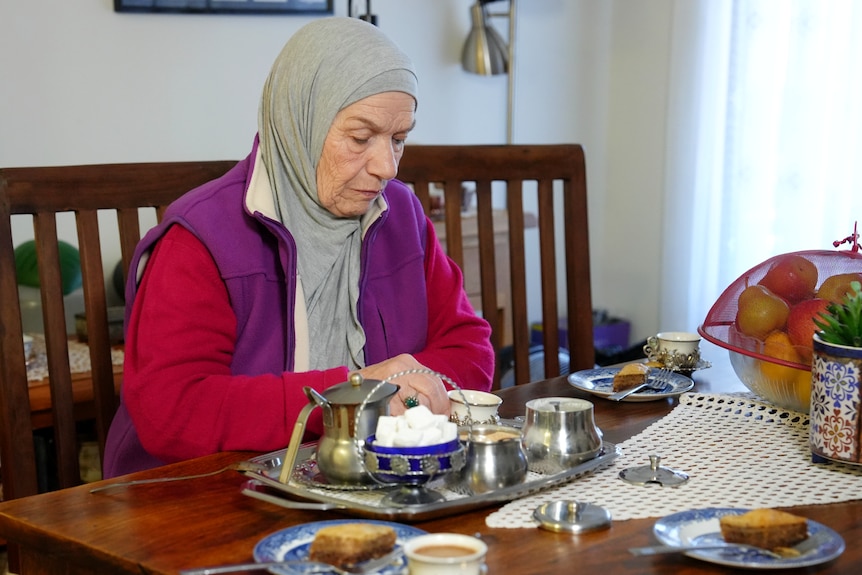
Sena Husic moved to Australia three decades ago from Bosnia. (ABC News: Lily Nothling)
Call to boost interpreters
While Ms Husic has praised the doctors who treated her, Australia’s Race Discrimination Commissioner has warned the health system is prone to failing multicultural patients.
A recent Australian Human Rights Commission report found racism, both systemic and interpersonal, is costing lives.
Deaf couple ‘effectively unable to be involved in care decisions’ before man’s death
“If someone doesn’t go to get medical help when they’re suffering potentially a serious illness because they don’t feel safe, or they don’t think they’re going to be understood, that could lead to death,” Commissioner Giridharan Sivaraman said.
“A system that’s only built up to cater for one type of person and disadvantages a whole bunch of other people based on their country of origin, their language, their culture, their customs, their race, that’s a system that’s acting in a racist way.”
Almost a quarter of Australians speak a language other than English at home.
The latest census data shows 3.4 per cent of the population did not speak English well or did not speak it at all.
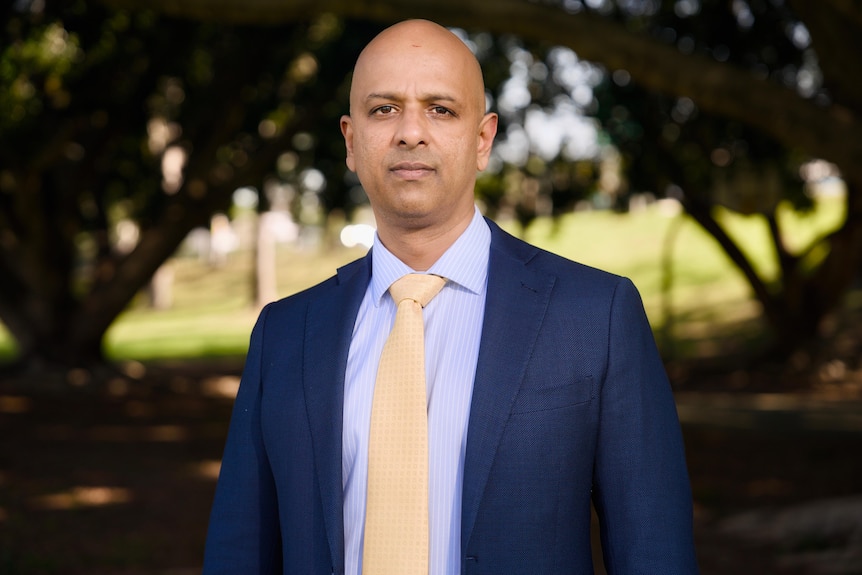
Race Discrimination Commissioner Giridharan Sivaraman says people’s lives are at risk when there are barriers like a language gap. (ABC News: Lily Nothling)
Mr Sivaraman said Australia’s shortage of interpreters was a persistent and dangerous health issue.
“Not having an in-person translator for your language is really detrimental,” he said.
“You might not feel safe in that setting because you don’t think you’ll be understood.
“You might try and explain your symptoms but not actually be very clear.
“You’re unlikely to understand the diagnosis or the care treatment that you’ve been prescribed.”
Mr Sivaraman is calling for more funding to significantly boost the pool of interpreters.
“We need to pay translators better and make their employment less precarious and more secure,” he said.
“We need to have it built into our health systems rather than an add-on or an afterthought.”
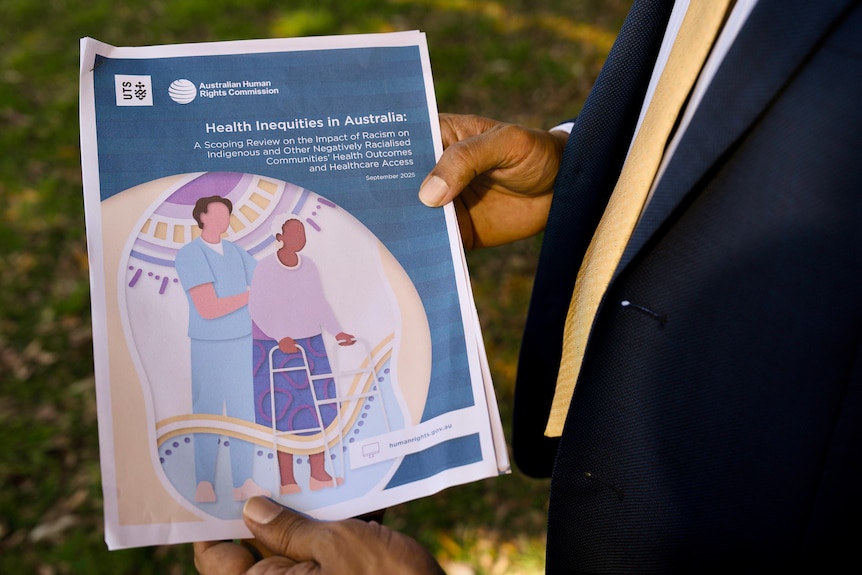
There are calls for further investment to address health inequalities. (ABC News: Lily Nothling)
Interpreters are available across Australia through the Translating and Interpreting Service (TIS National), which is run by the Department of Home Affairs.
Eligible health providers have free access to the scheme.
The service was used more than 1.3 million times in the last financial year by people with limited English proficiency, agencies and businesses.
Of those, 1.2 million cases took place over the phone and 165,000 services were in-person.
In a statement, a department spokesperson said TIS National had a panel of more than 2,900 contracted interpreters and interpreters, offering services 24/7 in more than 150 languages.
“TIS National regularly appoints new translators and interpreters to the panel, prioritising languages with low supply to minimise unmet demand,” the spokesperson said.
“Capacity building programs established through TIS National aim to increase the number of professional interpreters available in Australia.”
‘Distressing’ patient experiences
As the multicultural liaison officer at the Health Care Consumers’ Association in Canberra, Ivapene Seiuli is familiar with the struggles faced by patients from diverse cultural backgrounds.
Aside from communication challenges, she said waiting times for primary and specialist care, up-front costs and the confusing fragmentation of health services were key concerns.
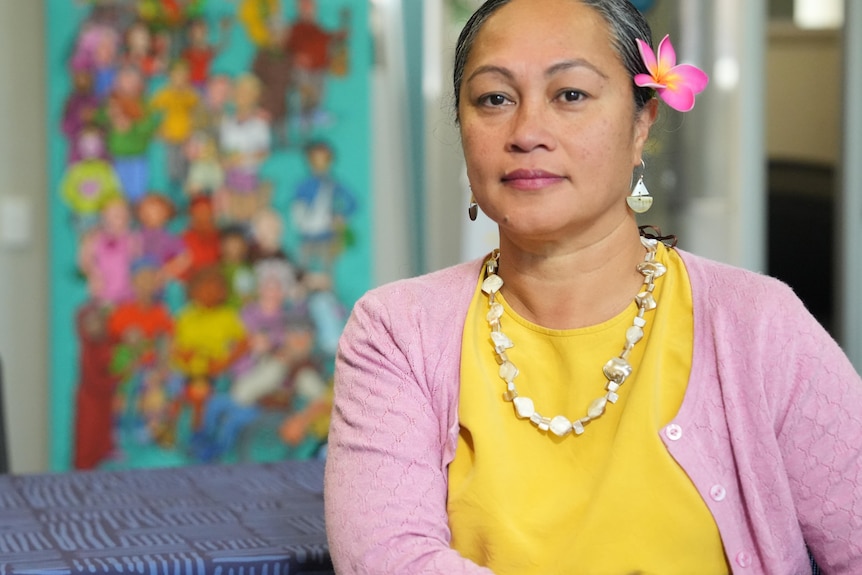
Ivapene Seiuli of the Health Care Consumers’ Association says the system is at breaking point.
“I find every time I go out to community, there is a new service that community haven’t heard of or didn’t know it existed and how they can access it,” Ms Seiuli said.
“Finding information in a language that you can understand or information in a way that you can access … has also been challenging.”
Ms Seiuli has also heard complaints from patients that medical professionals do not spend the time to understand their background and cultural requirements, such as requests for a male or female doctor.
“The system … is already at the breaking point,” she said.
“When you make those specific requests and it’s not provided [it] can be quite distressing.”
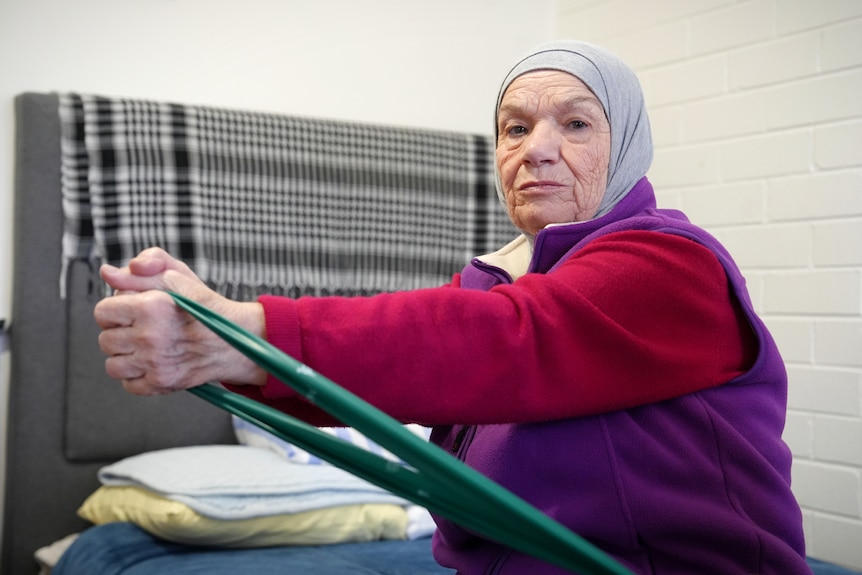
Sena Husic has praised the healthcare staff who helped her through the process of spinal surgery and recovery. (ABC News: Lily Nothling)
Sena Husic is recovering well from her spinal surgery and is grateful her lack of English did not prevent her from accessing life-changing care.
“Everyone was so kind and attentive — they did such a good job,” she said.
“I actually couldn’t believe it could be like this.”