
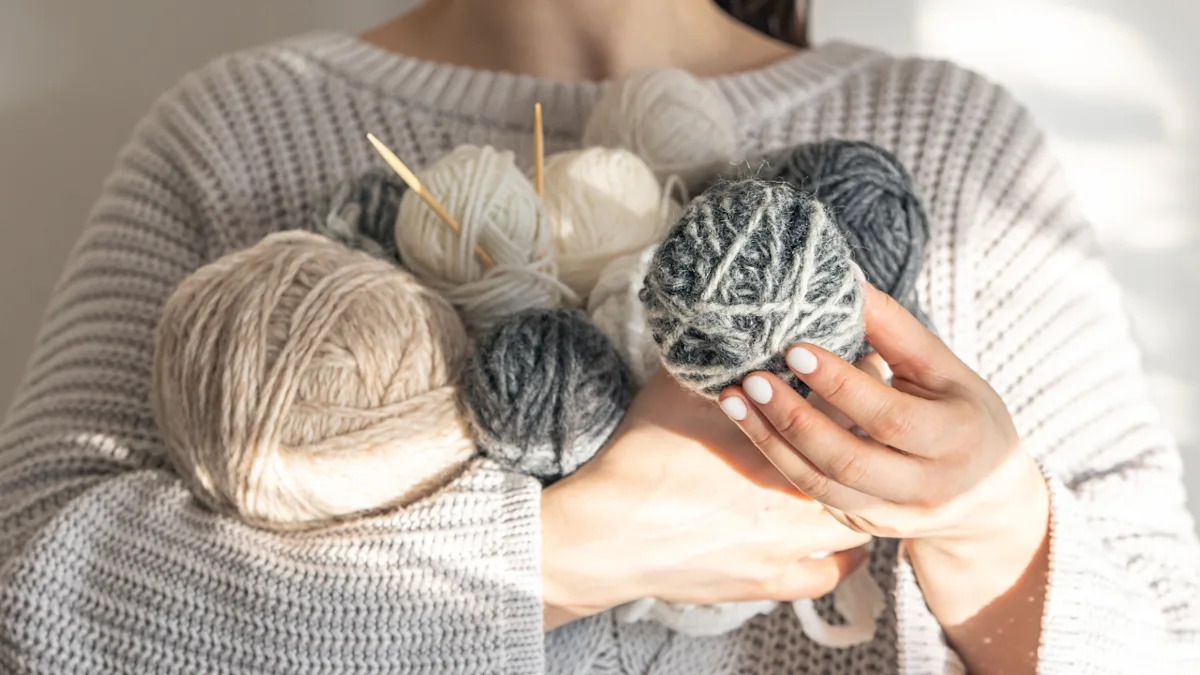
Move over, doomscrolling. There’s a quieter, more tactile trend taking over social media feeds, and it looks a lot like your grandmother’s living room. Millennials and Gen Z creators on platforms like TikTok are showcasing their passion for so-called “granny hobbies,” from knitting and gardening to completing complex jigsaw puzzles.
This revival, often tagged as #grannycore, is more than just a nostalgic escape from our digital lives; it’s backed by science that links these activities to better mental health and even a longer, sharper life.
A Digital Detox with Tangible Rewards
The trend is a direct response to a world of constant pings and notifications. Younger generations are seeking hands-on activities that offer a break from screens, and a tangible sense of accomplishment.
Whether it’s showing off a newly knitted sweater, a thriving herb garden on a city balcony, or the final piece of a 1,000-piece puzzle, these posts highlight the joy of slow, deliberate creation. This isn’t just about aesthetics; it’s about actively engaging the mind and body in ways that modern life often neglects.
The Science Behind the Stitches
Research increasingly supports what grandmas have known all along: keeping your hands and mind busy is good for you. A 2023 study found that older adults who regularly engaged in hobbies reported being happier, healthier, and less depressed. The benefits extend beyond mood. Activities like knitting, crocheting, and even woodworking are being studied for their powerful effects on brain health.
These hobbies often involve bilateral stimulation—the rhythmic, repetitive use of both hands—which helps activate the parasympathetic nervous system. This is the body’s “rest and digest” mode, which works to lower levels of the stress hormone cortisol while increasing feel-good chemicals like serotonin and dopamine.
Unlike the quick, fleeting dopamine hit from a social media notification, the reward from finishing a row of stitches or weeding a garden bed is steadier and more deeply satisfying.
The cognitive advantages are particularly compelling. Engaging in mentally stimulating hobbies throughout life is a key strategy for building cognitive reserve, which can help delay or reduce the effects of age-related decline and dementia.
Another recent study established a connection between playing a musical instrument, and an improvement in memory, as well as a lowered risk of age-related cognitive decline. Singing offers these benefits as well.
The process of learning a new skill, problem-solving, and planning, all inherent in these hobbies, is like a workout for the brain.
Popular Hobbies and Their Benefits
The most popular granny hobbies offer a unique blend of benefits. The rhythmic nature of crafts like knitting and crochet has been shown to lower heart rate and blood pressure, with effects similar to meditation. The focus required improves attention, while the act of creating something useful provides a profound sense of purpose.
Studies have also directly linked gardening to lower cortisol levels and improved mood. The physical activity, exposure to nature, and patience required to tend to plants offer both mental and physical rewards. Meanwhile, puzzles and board games are excellent for protecting against cognitive aging, as they challenge memory, spatial reasoning, and problem-solving skills in a low-stakes, enjoyable format.
More Than a Hobby: A Social Connector
This growing interest is also a social phenomenon. Knitting circles, community gardens, and board game cafes are creating spaces for genuine, in-person connection, bridging generational gaps. As younger people seek out these communities, they are discovering the joy of shared skills and intergenerational friendships.
A TikTok user who goes by @gardenary shared a video of herself gardening and baking, with the caption “Shoutout to all my girlies who skipped a midlife crisis and went straight to grandma hobbies”.
The comment section is filled with millennial users sharing their appreciate for a slower pace of life. “I think millennials have lived it all, no room for mid life crisis…now straight off to gardening, knitting, board games, etc.” says one user.
The trend’s momentum is clear. Eventbrite has reported a surge in Gen Z’s interest in “grannycore” gatherings like needlework workshops. This cultural shift suggests that the quiet, mindful hobbies of the past may hold the key to a healthier, more connected, and ultimately longer future.