
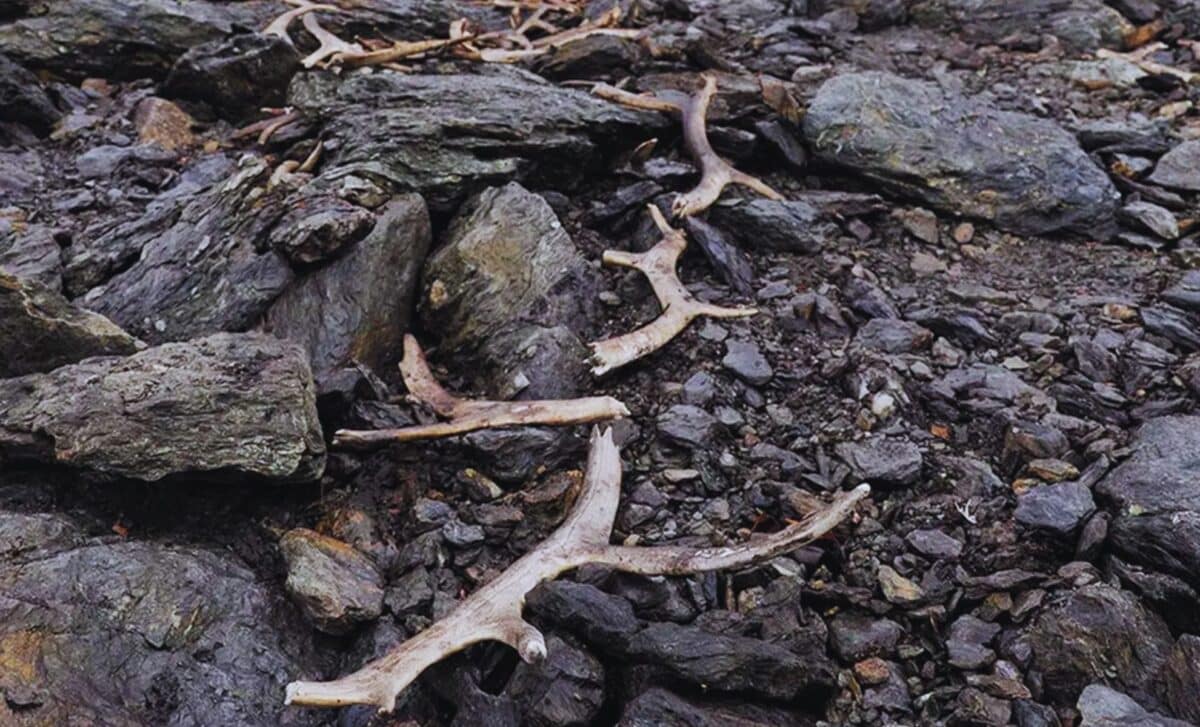
In the mountains of Norway, melting ice has recently uncovered a significant archaeological treasure: a 1,500-year-old reindeer trap, discovered by a hiker in 2024. The study of this discovery was published in a report by the University Museum of Bergen and Vestland County. The site, located 4,600 feet above sea level, features large wooden fences and well-preserved hunting tools. As temperatures rise, the melting ice continues to reveal artifacts that have been preserved for centuries.
A Rare Gem Discovered at the Summit of Norway
The site was discovered by Helge Titland, a local hiker who has a knack for spotting interesting artifacts. Last year, Titland found several cut logs in the area, which sparked an investigation by archaeologists from Vestland County and the University Museum of Bergen.
What they uncovered was a well-preserved reindeer trap, one that appears to have been constructed with two large wooden fences to corral wild reindeer. According to a statement issued by Øystein Skår, an archaeologist with Vestland County Municipality, the trap is unlike anything else ever found in Norway, and potentially all of Europe. It is believed to date back to the end of the Early Iron Age, a period when societies were becoming more complex and organized.
What makes this find even more intriguing is that the trap seems to have been abandoned due to a colder period in the mid-sixth century, which likely forced the hunters to move on. The logs and reindeer antlers were quickly buried under snow and ice, where they remained preserved until climate change began to slowly melt the ice away, revealing the long-lost artifacts.
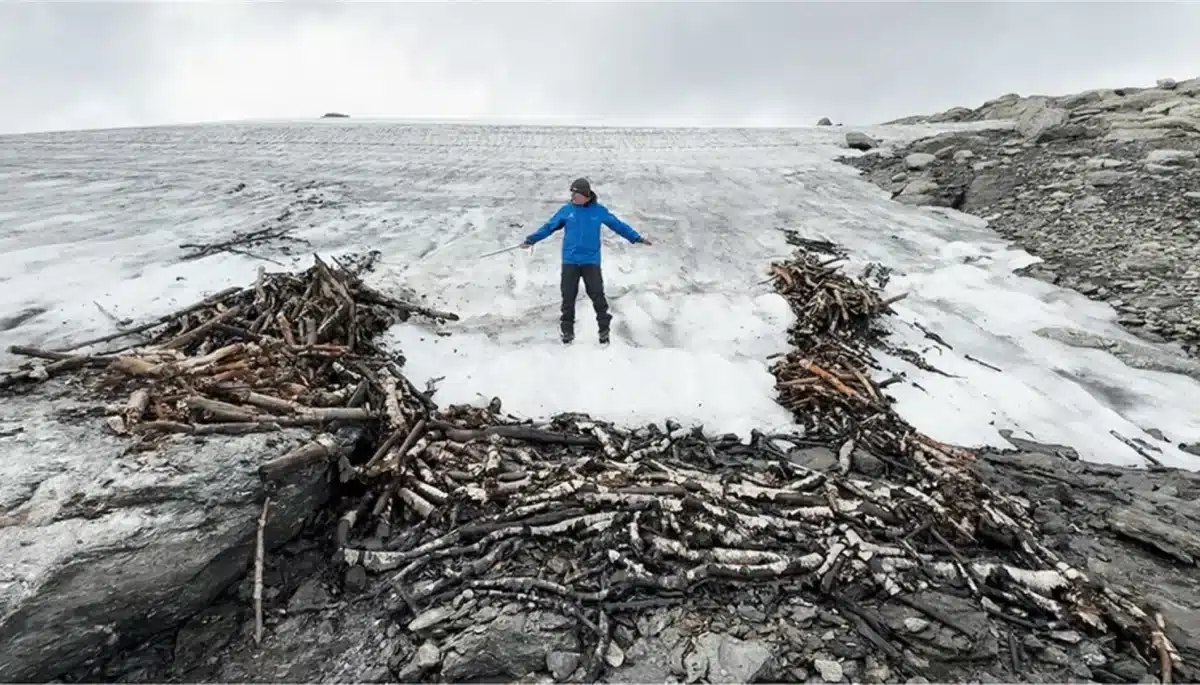 The trap was first discovered in 2024. By the time researchers arrived to investigate it in the fall of 2025, additional ice had melted, exposing more of the wood. Credit: Thomas Bruen Olsen / University Museum of Bergen
Oars, Brooches, and More
Among the many artifacts found at the site, perhaps the most surprising are a set of decorated oars. Yes, you read that right—oars. According to Thomas Bruen Olsen, an archaeologist at the University Museum of Bergen, these oars were intricately ornamented, raising questions about their purpose.
“The most unexpected discovery is one or more oars decorated with detailed ornamentation. What these were used for, and why they were brought into the mountains 1,500 years ago, is still a mystery,” explained Øystein Skår, an archaeologist from Vestland County in the press release.
Also uncovered were a brooch carved from a reindeer antler, wooden arrows, and iron spearheads. While the oars have yet to reveal their full story, these other objects help piece together the lifestyle of early Norwegian hunters. The discovery of such fine craftsmanship suggests that reindeer hunting wasn’t just about survival—it was also tied to cultural and social practices.
Reindeer Hunting: A Pillar of Early Iron Age Culture
The trap and its contents provide more than just a glimpse into ancient hunting practices; they also shed light on the role of reindeer hunting in Iron Age society. At this time, Norwegian communities were starting to grow wealthier and more organized.
Fjord villages were flourishing, and hunting likely played a significant role in their economic stability. Leif Inge Åstveit, an archaeologist from the University Museum of Bergen, suggests that the reindeer trap could reveal just how central wild reindeer were to these communities.
“And we now suspect that wild reindeer hunting played an even greater role than earlier believed,” he noted.
The discovery of the trap adds to a growing body of evidence that reindeer hunting was a key activity in the Early Iron Age, potentially influencing the social hierarchy and even the wealth of certain communities.
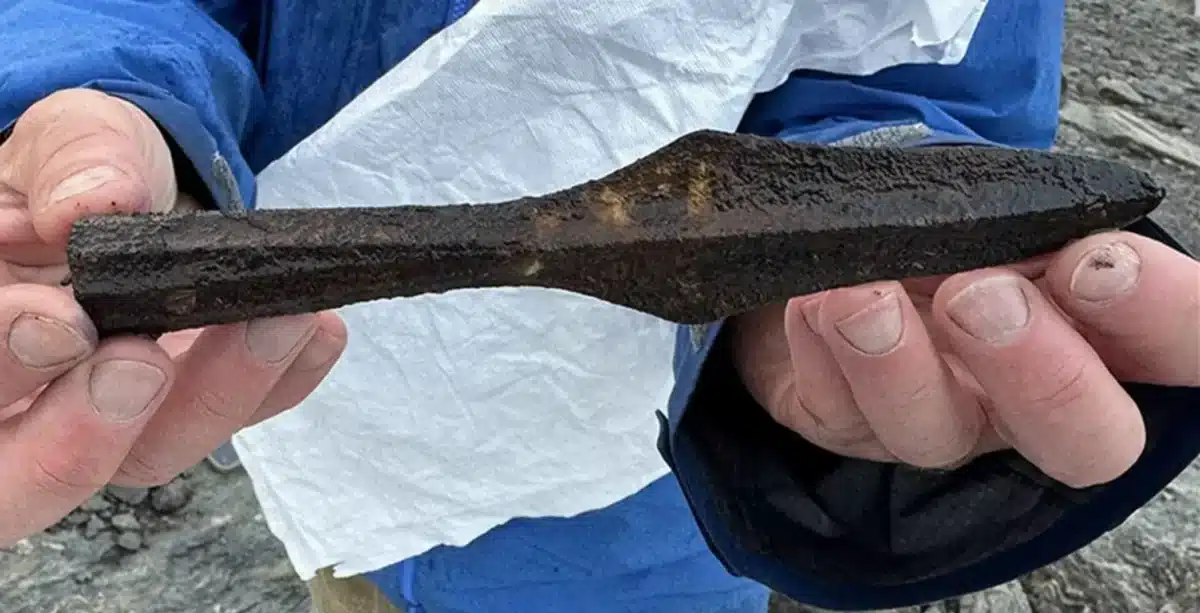 Among the items uncovered by the melting ice were spearheads. Credit: Thomas Bruen Olsen / University Museum of Bergen / University of Bergen
How Melting Ice is Unveiling the Past
While the discovery of ancient sites like this one is thrilling, it also raises concerns about the impact of climate change on historical preservation. As glaciers and ice sheets melt, archaeologists are rushing to document and conserve the artifacts before they vanish.
In fact, many of the artifacts uncovered from this trap are currently being kept in a freezer at the University Museum of Bergen, where they can be slowly dried and preserved. Skår emphasizes the challenge:
“One challenge now is that objects risk disappearing as people collect them. And once the ice melts further, any wooden material will decay quickly.”