
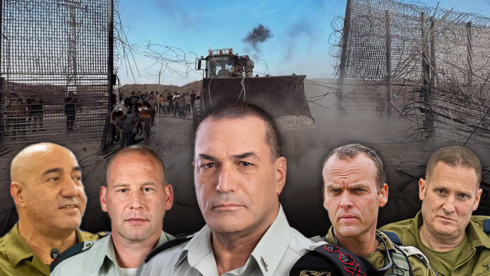
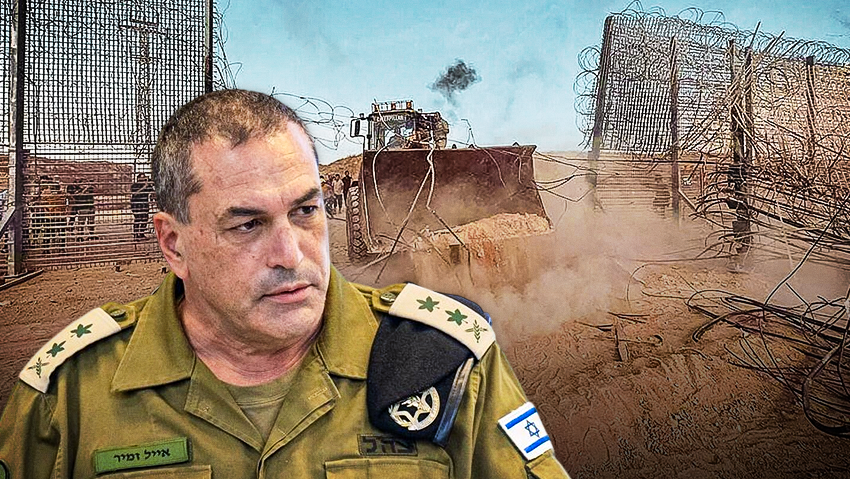
Zamir scheduled a series of blitz meetings throughout the day with many officers who served in senior General Staff roles before and during the attack. The sessions follow findings from an investigative panel headed by retired Maj. Gen. Sami Turgeman that reviewed the quality and scope of the IDF’s internal investigations into the massacre. According to military officials, the chief of staff’s office has pushed to complete all meetings by 8 p.m., possibly ahead of evening newscasts.
4 View gallery
Among those summoned were Military Intelligence chief Maj. Gen. Shlomi Binder; Air Force Commander Maj. Gen. Tomer Bar; Navy Commander Vice Adm. David Sa’ar Salama; the former head of Military Intelligence’s Operations Division, Brig. Gen. G; several heads of branches and senior unit commanders inside Military Intelligence; and Maj. Gen. Yaron Finkelman, who served as head of the Operations Division until a few months before the attack and later as commander of Southern Command during the assault. Although Finkelman left his post, officials said he did not retire and continues to work on the war review.
Some officers were called to meet Zamir, while others were directed to meet his deputy, Maj. Gen. Tamir Yadai. Several of those summoned have already left active service. In addition, a number of Military Intelligence colonels still on active duty were ordered to appear before Binder, who was also summoned for his own meeting.
The decision immediately drew criticism. One of the sharpest disputes centered on Binder’s role. The Turgeman Committee dismissed a previous investigation into Binder’s Operations Division and issued pointed criticism of the division, Military Intelligence and Binder himself. Senior officers questioned how Binder, who they said struggled to provide a clear operational picture for hours on Oct. 7, could now be responsible for delivering personal conclusions to others. After reports on Binder’s involvement surfaced, the IDF said there had been a “scheduling error” and that Yadai would conduct the Military Intelligence meetings instead.
4 View gallery
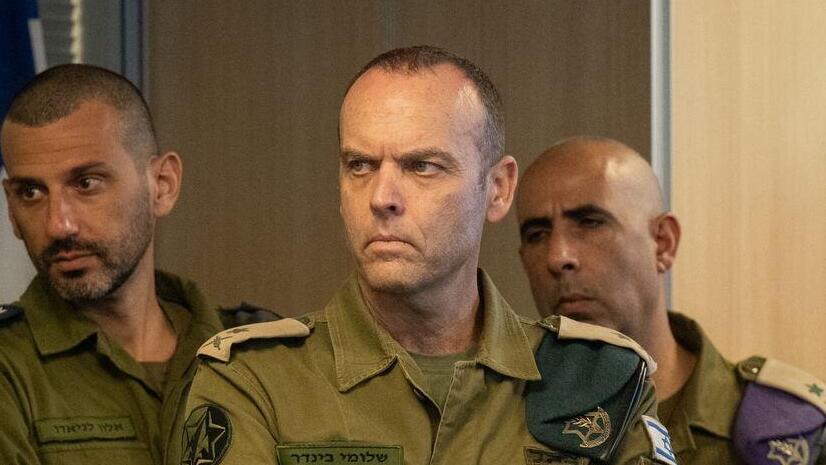
Shlomi Binder
(Photo: IDF)
Some officers privately accused Zamir of selectively assigning responsibility, protecting certain officials he intends to promote and aligning his decisions with ongoing efforts by the government to emphasize failures within the IDF and the Shin Bet security agency. Senior military legal officials also questioned whether Zamir’s steps would withstand review by the High Court of Justice. The military legal officials have already petitioned the court against State Comptroller Matanyahu Englman’s plan to issue personal findings without granting subjects access to materials or time to consult counsel, a process the defense argues functions as a quasi-judicial action.
Critics also noted that the issue of “Jericho Wall,” the codename used by Israeli intelligence for Hamas’ evolving attack plan, had not been fully examined. The Turgeman Committee found that the subject had not been deeply probed, even though Channel 12 reported Zamir received one version of the plan while heading Southern Command. It remains unclear what action he took or what information he passed to his predecessor, Lt. Gen. Herzi Halevi.
Military legal officials stressed that all IDF reviews of Oct. 7 have been categorized as operational investigations rather than judicial proceedings, allowing rapid internal analysis. Still, the IDF previously argued that matters concerning senior-level responsibility should be treated with standards similar to a national commission of inquiry. “Now the chief of staff is doing precisely the opposite of what the military defense petitioned for,” one legal official said, noting the state comptroller could rely on Zamir’s conclusions while bypassing the petition.
The Turgeman Committee examined the IDF’s internal investigations. Though Turgeman was not authorized to recommend dismissals, he said the report should lead to personal conclusions. When Zamir accepted the report, he called for an “external, systemic, multidisciplinary and integrative” inquiry — for the first time omitting the term “state commission,” which he and Halevi had publicly supported earlier.
4 View gallery
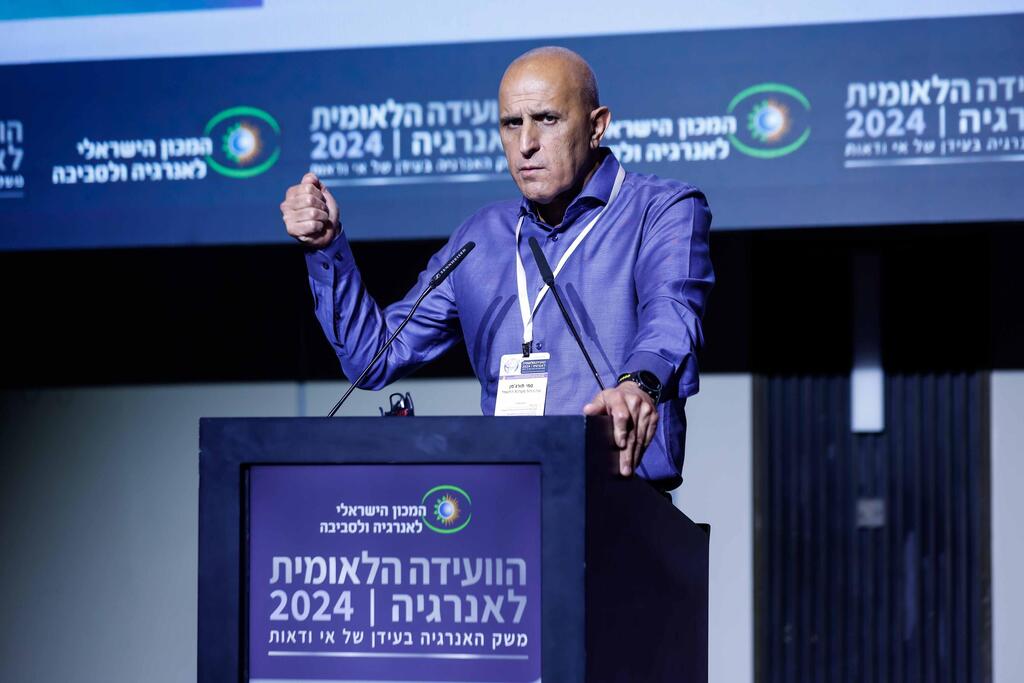
Retired Maj. Gen. Sami Turgeman
Prime Minister Benjamin Netanyahu and his government oppose establishing a state commission of inquiry, arguing that “half the public is against it,” even more than two years after Oct. 7. Last week, the government approved the creation of a “national inquiry committee” overseen by a ministerial panel led by Justice Minister Yariv Levin, which will set the mandate.
The Turgeman Committee was the fourth review body assembled since the attack. In January 2024, Halevi launched an operational and intelligence debriefing process intended to provide rapid lessons for ongoing fighting, not to replace a future state commission. Halevi appointed a team of retired generals — Lt. Gen. Shaul Mofaz (res.), Maj. Gen. (res.) Aharon Ze’evi-Farkash and Turgeman — to ensure an external perspective. But after a stormy Cabinet meeting later dubbed “the night of shouting,” ministers from the political right, including Miri Regev, David Amsalem, Bezalel Smotrich and Itamar Ben-Gvir, sharply criticized Halevi, and he froze the team’s work.
The IDF then shifted to internal command-level investigations conducted by unit commanders. After most were completed, Zamir appointed Turgeman to lead another review focused on the quality of those investigations.
Turgeman’s team included former air force and navy commanders, a former head of Military Intelligence’s Research Division and senior officers from Southern Command. Critics argued some had served in positions linked to the events of Oct. 7 and therefore were not fully independent. The committee extended its work beyond its initial schedule and evaluated not only the investigations but some of the operational failures themselves. It identified areas requiring deeper review, including the handling of various versions of Hamas’ attack plan obtained between 2018 and 2022. Only the earliest version, secured in 2018, was formally presented to Zamir during his tenure in Southern Command.
4 View gallery
Yaron Finkelman
(Photo: IDF)
The committee also said large portions of the investigation into the Operations Division led on Oct. 7 by Binder must be redone. That process has not been completed.
Some officials argued that the delay in reviewing the committee’s findings stemmed not only from operational circumstances but also from the IDF’s unprecedented dispute with the state comptroller over the right of officers to legal protections similar to those given in a state commission. “Issuing personal conclusions now without those protections contradicts what the IDF itself has argued,” one military legal figure said.
Another senior official questioned Zamir’s previous decision to advance Col. L to the role of chief intelligence officer despite his tenure as intelligence officer of Southern Command during years when no early warning model was built. During that period, Zamir received a briefing on “Jericho Wall,” yet, the official said, he did not pass the information to Halevi when the former military chief replaced him as commander.
A third official criticized the fact that the IDF Ground Forces investigation has not been completed. The branch was headed during the war by Yadai, who is set to deliver personal conclusions to senior officers later Sunday.