
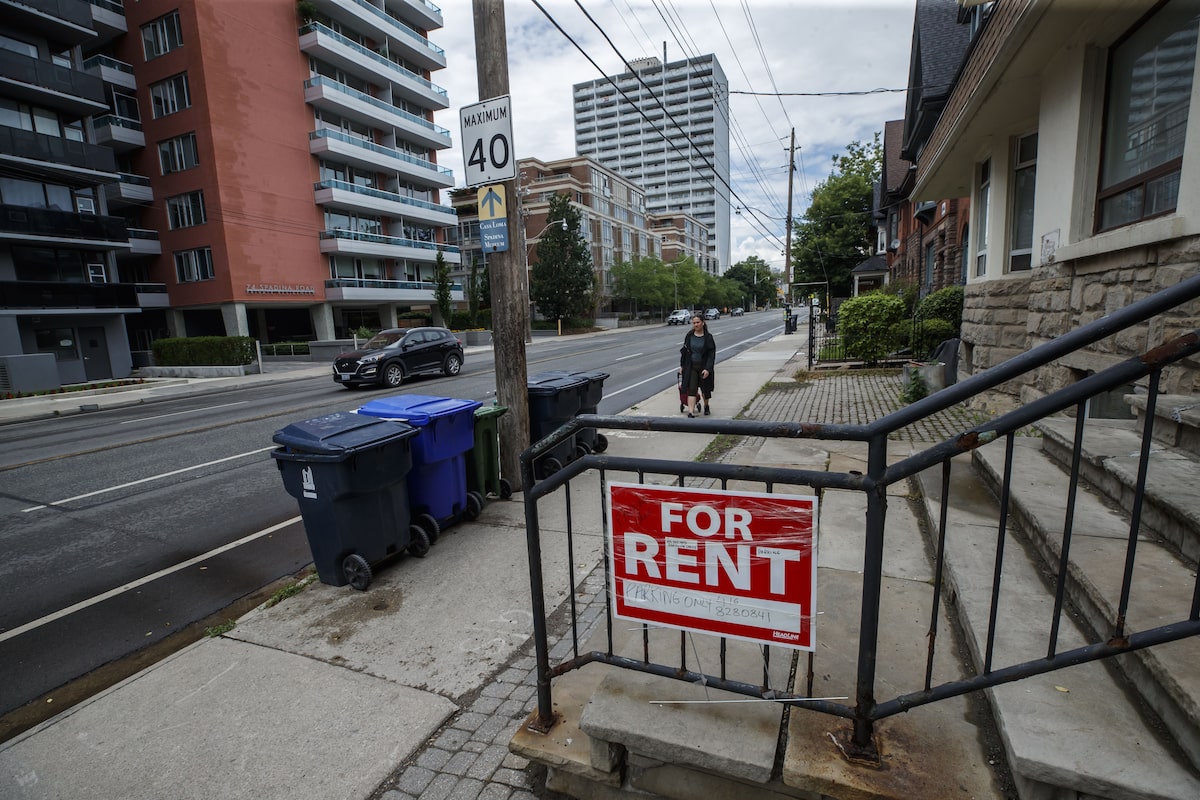
Ontario legislators passed Bill 60 on Monday. The law proposes several changes to tenant law in the province.Cole Burston/The Canadian Press
Ontario legislators have voted to pass Bill 60, a controversial housing bill that proposes amendments to tenancy rules.
Here’s what you need to know as the bill gets closer to becoming law.
What is Ontario’s Bill 60?
Bill 60, officially named the “Fighting Delays, Building Faster Act,” is an omnibus bill introduced by Ontario’s Progressive Conservative government this fall focused on housing and development processes in the province.
The government says the bill is meant to protect the economy by cutting red tape, speeding up construction and development, increasing rental housing supply and addressing delays at the backlogged Landlord and Tenant Board.
Read the full text of Bill 60 here
Schedule 12 of the bill, which includes amendments to the province’s Residential Tenancies Act, has attracted the most public attention.
The bill also includes amendments to legislation affecting construction, transit and roadways, municipal water management, among other measures.
Has Bill 60 passed in the legislature?
Bill 60 passed a final vote in the legislature on Monday. To become law, it requires royal assent.
The Opposition NDP moved to repeal the bill after it passed, and a debate was held in the legislature on Monday afternoon.
It’s unlikely the NDP will succeed in repealing the bill, as the Progressive Conservatives have a majority government and can vote down any Opposition motions.
The bill is expected to receive royal assent later this week.
How will Bill 60 affect Ontario tenants?
Changes to the Residential Tenancies Act laid out in the legislation include:
Compensation: Landlords who are evicting tenants for personal use reasons would not need to compensate tenants or offer them another rental unit if notice is given at least 120 days in advance. Currently, landlords must compensate tenants with one month’s rent in this situation. Non-payment of rent: Landlords may evict tenants seven days after providing notice over non-payment of rent. Landlords previously had to wait 15 days to evict tenants over missed rent payments.Raising issues at hearings: Tenants would not be able to raise new issues at Landlord and Tenant Board hearings related to non-payment of rent without providing notice ahead of time. Tenant appeals: Tenants will have less time to ask for a review of Landlord and Tenant Board decisions. Tenants now have 15 days to appeal an eviction order, down from 30 days. This time period can be extended if the board “considers it just and appropriate in the circumstances.”What does the bill have to do with rent control? How will it affect evictions?
Initially, the bill proposed consultations on ending indefinite leases in Ontario. Currently, a tenancy automatically becomes month-to-month after a lease ends.
Critics were worried this measure would effectively end rent control in the province, and lead to more tenants losing their homes at the end of leases.
The government later removed this proposed section of the bill. Housing Minister Rob Flack said the government would not proceed with the consultations and would pursue other “common-sense reforms.”
However, fears remain that other proposed changes to the Residential Tenancies Act will make it easier for landlords to evict tenants, because it shortens the waiting period to evict someone and gives tenants less time to appeal eviction orders.
What are tenants’ and housing advocates’ criticisms of Bill 60?
Critics, including opposition parties, municipal politicians, and tenants’ rights advocates, say the bill erodes renters’ rights and could worsen the homelessness crisis in the province.
Tenant advocacy group ACORN Canada says the bill accelerates evictions and strips tenants of their ability to defend themselves.
Members of the organization were kicked out of the legislature on Monday for chanting “people over profits” during the final vote on the bill, which had attracted protesters to the public gallery. Premier Doug Ford at one point told the yelling crowd to “go find a job.”
The government fast-tracked the legislation, which limited debate on the bill and allowed it to skip the committee review stage. This sparked criticism from tenant advocates and other critics who say they didn’t have adequate opportunities to raise their concerns.
Ontario Housing Minister Rob Flack said the bill is intended to speed up proceedings at the Landlord and Tenant Board as well as create more housing supply.Cole Burston/The Canadian Press
What does the government say?
Mr. Flack says the legislation is meant to restore balance in the landlord-tenant system and maintain tenant protections.
He said the government’s changes to the Landlord and Tenant Board are meant to speed up the adjudication process after years of delays at the board, by “tightening the system” so hearings can proceed faster.
He also has said that the bill will help create more housing supply, because it is designed to streamline housing approvals and allow for quicker builds.
“With more supply comes lower rents,” he said on Monday.
With reports from Laura Stone and The Canadian Press