
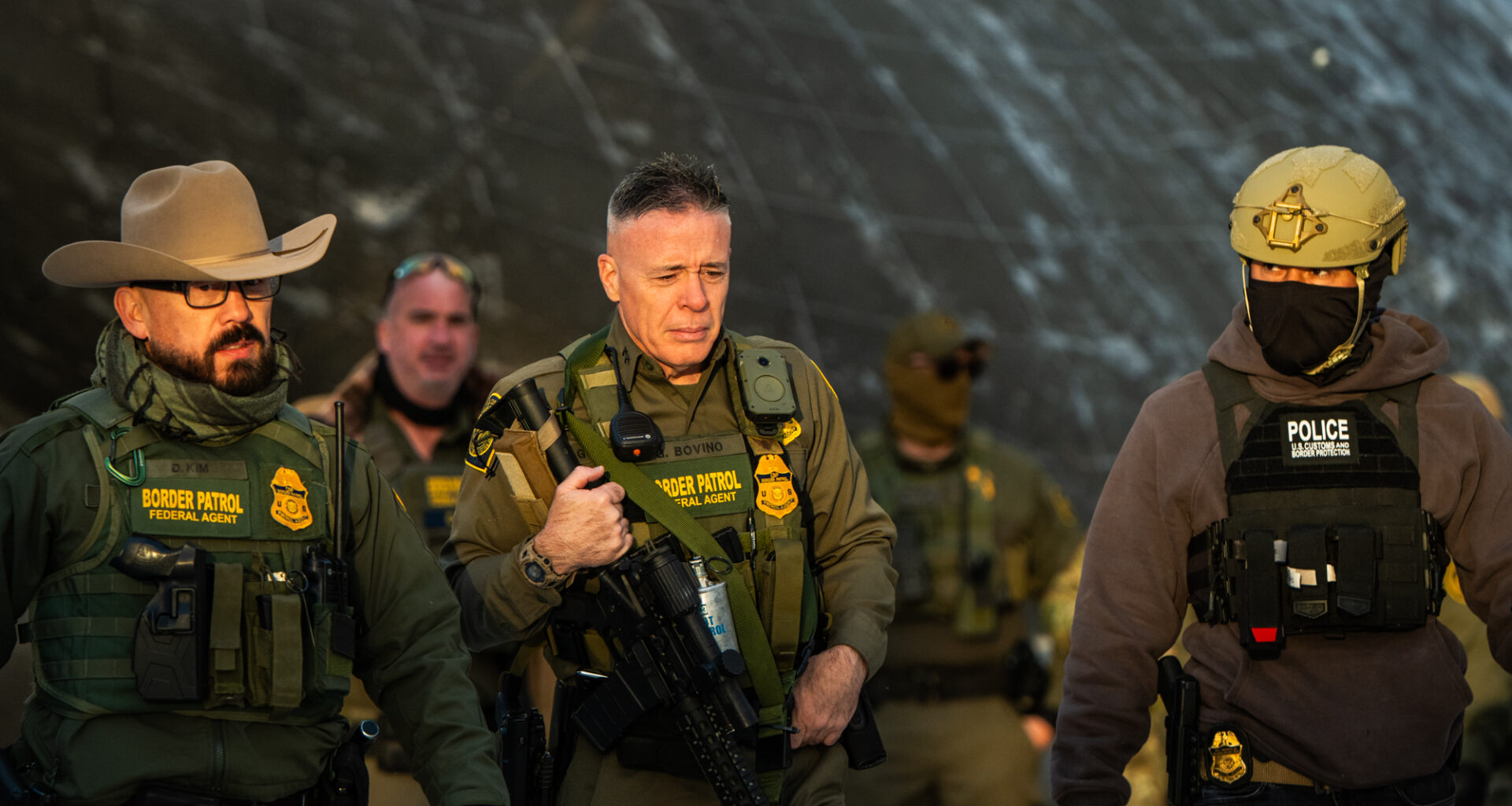
CHICAGO — Newly released transcripts of a deposition given by Border Patrol chief Gregory Bovino in Chicago show a series of tense exchanges between one of the leaders of Operation Midway Blitz and attorneys involved in an ongoing use of force lawsuit related to local immigration enforcement this fall.
Bovino sat for a sworn deposition over three days in late October and early November as part of the federal use of force lawsuit filed on behalf of Block Club Chicago, other media groups, protesters and clergy.
After arriving in Chicago this September, Bovino became the face of Operation Midway Blitz, which federal officials have said has led to the detention of thousands of people in the city and suburbs.
Bovino left the city in mid-November to oversee similar operations in North Carolina, but some immigration arrests are still taking place in Chicago — and more agents could return this spring.
This month, U.S. District Judge Sara Ellis issued a sweeping ruling that extended restrictions on federal immigration agents’ use of tear gas, pepper-balls and physical force in the Chicago area. Last week, a federal appellate court paused Ellis’ order, calling it an encroachment on the powers of the federal executive branch.
In his deposition, Bovino admitted he lied “multiple times” about the events that occurred before he threw tear gas at protesters during a standoff with neighbors on Oct. 23 in Little Village, according to the ruling. For example, he initially testified that he tear-gassed the crowd after a protester threw a rock at him, but he later admitted that he was “mistaken” and he actually deployed the gas before a rock was thrown at him.
“That white rock was — was thrown at me, but that was after — that was after I deployed less lethal means in chemical munitions,” Bovino said Nov. 4. “I was mixed up with several other objects in a very chaotic environment and other objects were thrown at me. And I confused that white rock with other objects like water bottles, and fireworks, and many other things that were happening at the time. So I want to correct that.”
Deposition transcripts also show Bovino was questioned about immigration agents deploying tear gas in Irving Park in late October, which led to the cancellation of a children’s Halloween parade, drawing widespread condemnation from neighbors and local leaders.
In the deposition, Bovino defended the actions of federal agents in the incident.
“I found that — that to be a more than exemplary use of force by our agents to keep themselves safe from assaultive subjects, and I did find no evidence that any children were in the vicinity there,” Bovino said Nov. 4.
In her opinion for the preliminary injunction, Ellis wrote that she repeatedly found Bovino’s testimony not credible. Bovino was evasive, either giving “cute” answers to attorneys’ questions or outright lying, the judge said in her ruling.
RELATED: Feds Repeatedly Lied And Misled The Public During Chicago Immigration Crackdown, Federal Judge Rules
The deposition transcripts also show repeated tense standoffs between plaintiff attorney Locke Bowman of Loevy & Loevy and U.S. Department of Justice attorney Sarmad Khojasteh, who is defending Bovino and the government.
Throughout the deposition, Khojasteh objected to questions from Bowman over Bovino’s communications with senior members of the Trump administration.
The lawyers also repeatedly bickered about decorum and process. On Oct. 30, Khojasteh noted that Bowman didn’t want to shake Bovino’s hand when they went in.
“That was noted. I get your position. This is like the hill you’re going to die on here. That’s fine. Treat him with respect. Treat me with respect. You’re a professional,” he sad.
Bowman replied, “Treat the process with respect, sir.”
After Ellis’ ruling extending use of force rules this month, the Justice Department asked the Seventh Circuit U.S. Court of Appeals to halt the order immediately.
The appellate court last week paused Ellis’ order, calling it an “overbroad” encroachment on the powers of the federal executive branch. Still, the court cautioned that its brief ruling was not the end of the matter, noting “voluminous and robust factual findings” about First Amendment violations.
Read the deposition transcripts:
Listen to the Block Club Chicago podcast: