
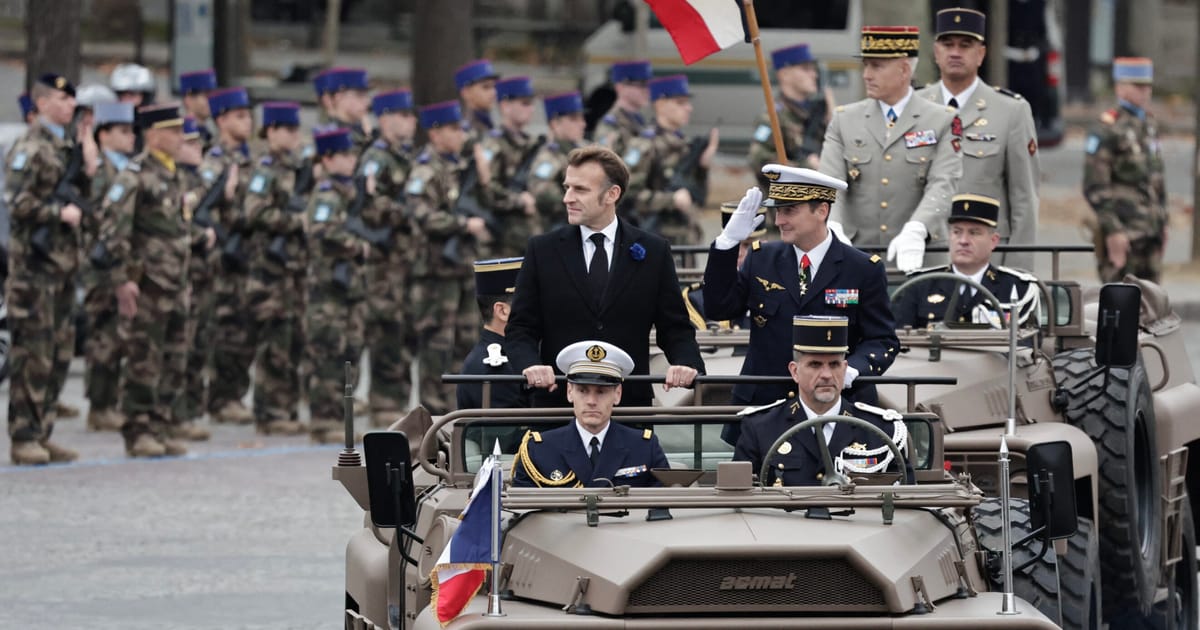
The French military is already the EU’s second-largest behind Poland, with more than 201,000 personnel. France has around 45,000 reservists and has pledged to reach 105,000 by 2035 — a target the voluntary military service plan is designed to help reach.
East-West divide
In France, the reintroduction of a voluntary service comes almost four years into Russia’s full-scale invasion of Ukraine. For those on Russia’s doorstep, however, the comeback of mandatory schemes has been a no-brainer and has followed the relentless pace of Moscow’s offensives.
After the annexation of Crimea in 2014, Lithuania was the first to reintroduce compulsory military service, followed later by Sweden and then Latvia after Russia launched its war on Ukraine in 2022.
“The primary objective is to reinforce military capacity from a quantitative perspective. The sheer reality is that when you face a national crisis or conflict, you need people roughly capable of responding with a basic level of skills,” said Linda Slapakova, a defense specialist at Rand Europe.
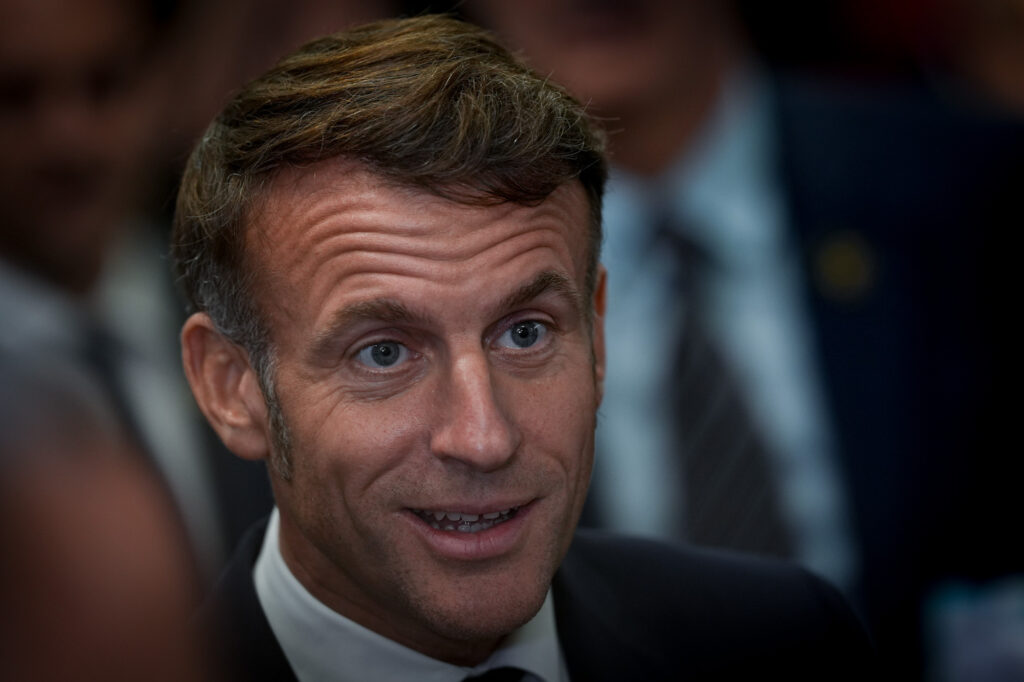 President Emmanuel Macron is expected to announce the measure at Varces army base in the French Alps. | Ercin Erturk/Getty Images
Meanwhile, popular support for national service has soared, particularly in Nordic and Baltic countries. In Finland, which shares a 1,300-kilometer border with Russia, support for defending the homeland has reached record highs. In 2022, 83 percent of Finns believed in defending their nation, up from a low of 65 percent in 2020, according to the country’s yearly polling.
But in Western Europe, further from the existential threat posed by Russia, the conversation is a lot more complicated.