
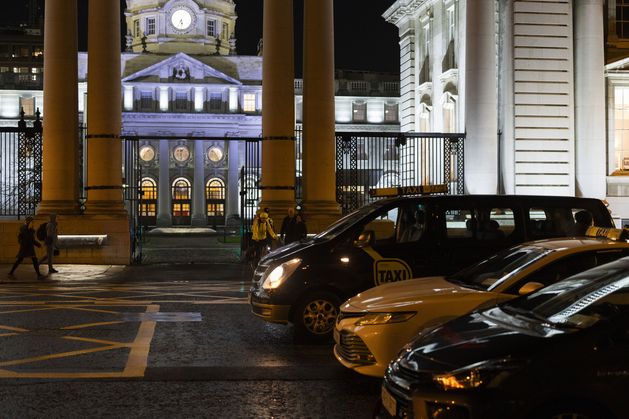
Taxi groups said an escalating dispute with the American company could determine the entire future of the Irish taxi industry.
Ireland has almost 18,000 taxi drivers, with roughly one-third signed up to Uber’s app-based dispatch service.
Taxi Drivers Ireland (TDI) official Derek O’Keeffe said hundreds of drivers are turning off the Uber app as part of a campaign against the impact of the app-based dispatch service on the Irish industry.
“We won’t back down,” Mr O’Keeffe said. “The livelihood of taxi drivers depends on it. We won’t allow [Uber] to run the Irish industry into the ground.
“We have seen the devastating effect this had on Barcelona a number of years ago.
“They come in and destabilise the market, they push out the regulated taxis until they have a control on the market, and then the prices increase.”
Dublin taxis will be in demand this weekend. Photo: Stock image
With Christmas party season beginning, drivers are already opting out of fixed-price journeys in favour of a metered fare. Concern over delays in securing taxis has prompted the Taxis for Ireland Coalition (TFIC) to urge people to book planned journeys.
Uber’s decision to introduce a fixed-price model in Ireland at the start of this month sparked a dispute with taxi associations, which have mounted public protests and lobbied Irish politicians.
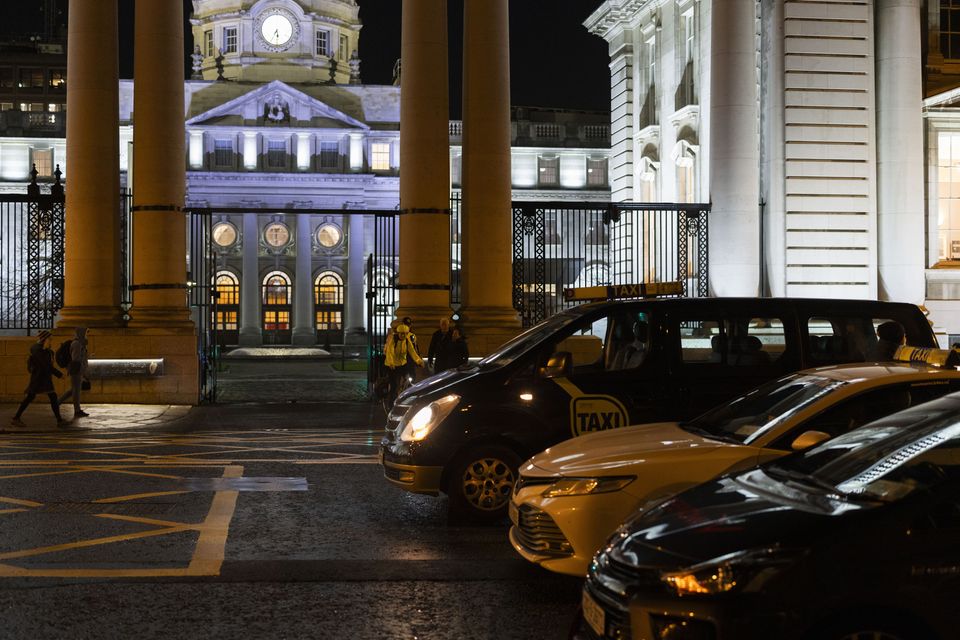
Taxis outside Government Buildings on Merrion St Upper in Dublin’s city centre. Photo: Collins Photos
Today’s News in 90 Seconds – Saturday, November 29
Dublin city centre was brought to a standstill by a taxi driver protest on Thursday and further protests are planned over the festive season.
Transport Minister Darragh O’Brien has asked the National Transport Authority (NTA) to examine the concerns raised by taxi associations. He has already met with the Small Public Service Vehicle (SPSV) Advisory Committee.
The new model allows Uber passengers to pay a fixed-price fare that is calculated by the app’s own algorithm, rather than applying the metered fare rate regulated by the NTA. The model takes factors such as time, distance, traffic and demand into account.
Uber insisted its fixed-price fare offers are fully in compliance with the Taxi Regulation Act 2013.
“Upfront pricing gets rid of the anxiety riders have about metered fares
“Riders across Ireland are responding really positively to knowing the price of their trip in advance,” an Uber spokesperson told the Irish Independent.
“Upfront pricing gets rid of the anxiety riders have about metered fares, giving them greater confidence to book trips, which creates additional earning opportunities for drivers.
“Drivers will always see how much they will earn for every trip before deciding if they accept.”
The NTA said that, under its guidelines, there is nothing to stop a charge below the maximum permitted fare being applied, but it is not permitted to apply a charge above the maximum calculated level.
Mr O’Keeffe said Uber’s fixed-fare system would have disastrous long-term consequences for taxi drivers. He also said that, under the Taxi Regulation Act, discounts on fares can be offered, but they must be applied by the driver and not an app-based system.
The only price that is fair and transparent is set by the NTA
“The most important point behind this is that the NTA brings economists in every two years,” he added.
“They work out what inflation is, they work out costs of fuel, vehicle repayments, etc. They break everything down and send it out to public consultation. They assess what taxi drivers need to charge to cover their expenses.
“Fares are raised, kept the same or reduced. It is all logical thinking. Uber comes in and goes, ‘All to hell with it’. We have seen the same model applied right across Europe and the consequences of it.
“The only price that is fair and transparent is set by the NTA.”
National Private Hire and Taxi Association official Jim Waldron said: “Uber is basically trying to interfere with that fares process and, in our opinion and in the opinion of Irish drivers, create a culture of fixed fares.”
The row between Uber and Irish taxi associations has added to concerns about potential delays for consumers over the Christmas and New Year period.
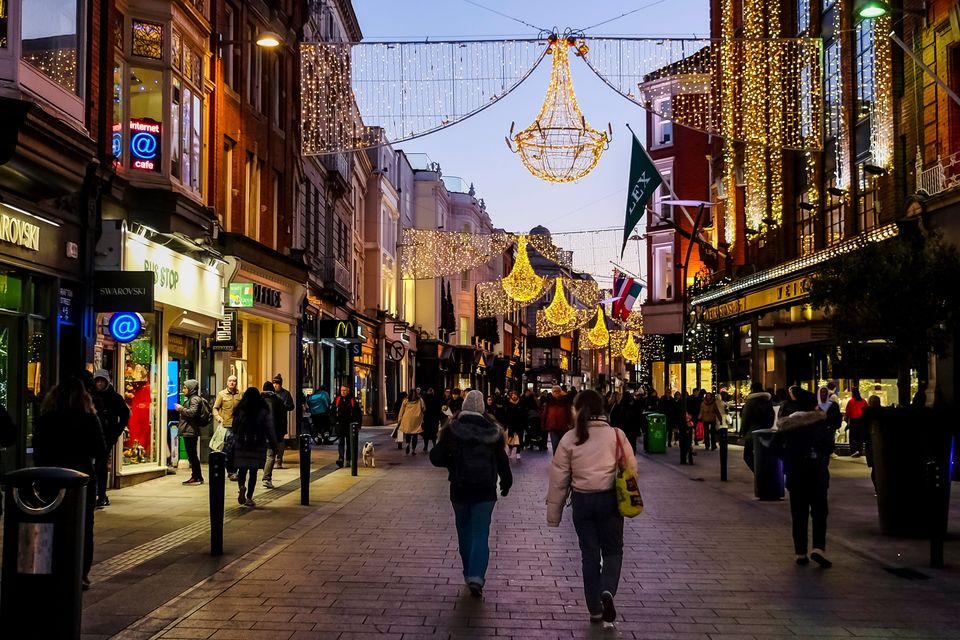
Christmas in Dublin
Large numbers of people waiting lengthy periods for taxis in urban areas represents a potential safety issue, given that people may, in desperation, resort to unsafe travel alternatives or spend extended periods stranded in vulnerable situations.
TFIC warned that the availability of taxis is expected to fall far short of surging demand over the festive season.
The group is now calling on the Government to prioritise the development of a national taxi strategy to address the shortfall of taxi availability and set an ambitious target to increase the number of SPSVs by 30pc over the next five years.
Georgia Heathman, public policy manager of ride-hailing service Bolt, said booking taxis was essential to avoid excessive delays this Christmas.
“During the busy Christmas period, we note that a significant number of drivers turn off their apps and resort to roadside pick-ups only,” Ms Heathman said.
“While this is an understandable practice due to the huge demand placed on taxi services at this time of year, it can often leave users stranded on streets late at night, possibly in unsafe, cold and dark areas, not knowing when or how they will get home.
“We are urging people to pre-book where possible to avoid long wait times and uncertainty, and allow drivers to better plan their routes in the coming weeks.”