
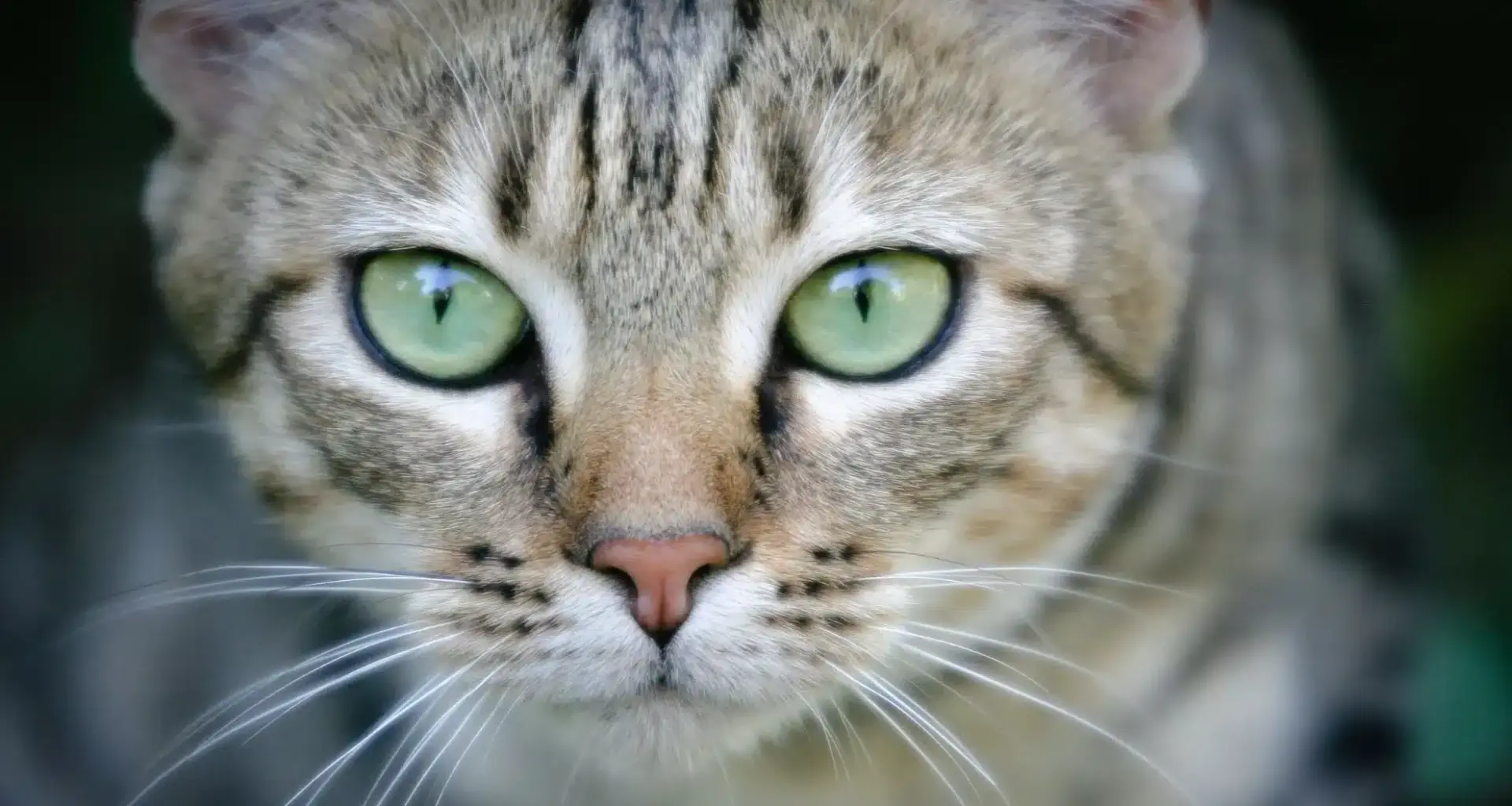
For years, the domestication of cats was linked to the rise of agriculture in the Middle East, with evidence suggesting that they began living alongside humans around 9,500 years ago. Archaeological finds, including ancient cat remains and art, indicated that cats might have been tamed by early farmers to help control rodent populations. But recent genetic analysis has revealed a different story, one that places the origins of modern domestic cats in North Africa and their arrival in Europe much later than originally believed.
Rewriting the History of Cat Domestication
According to the new study, which analyzed the genomes of 87 ancient cats spanning 11,000 years, domestic cats were not brought to Europe during the Neolithic period, as once thought. Instead, the ancestors of modern domestic cats likely made their way to Europe around 2,000 years ago, possibly with the Romans. The study challenges previous assumptions that cats spread across Europe with early agricultural societies. The research indicates that the modern domestic cat’s closest relatives are African wildcats, not the wildcats found in the Levant.
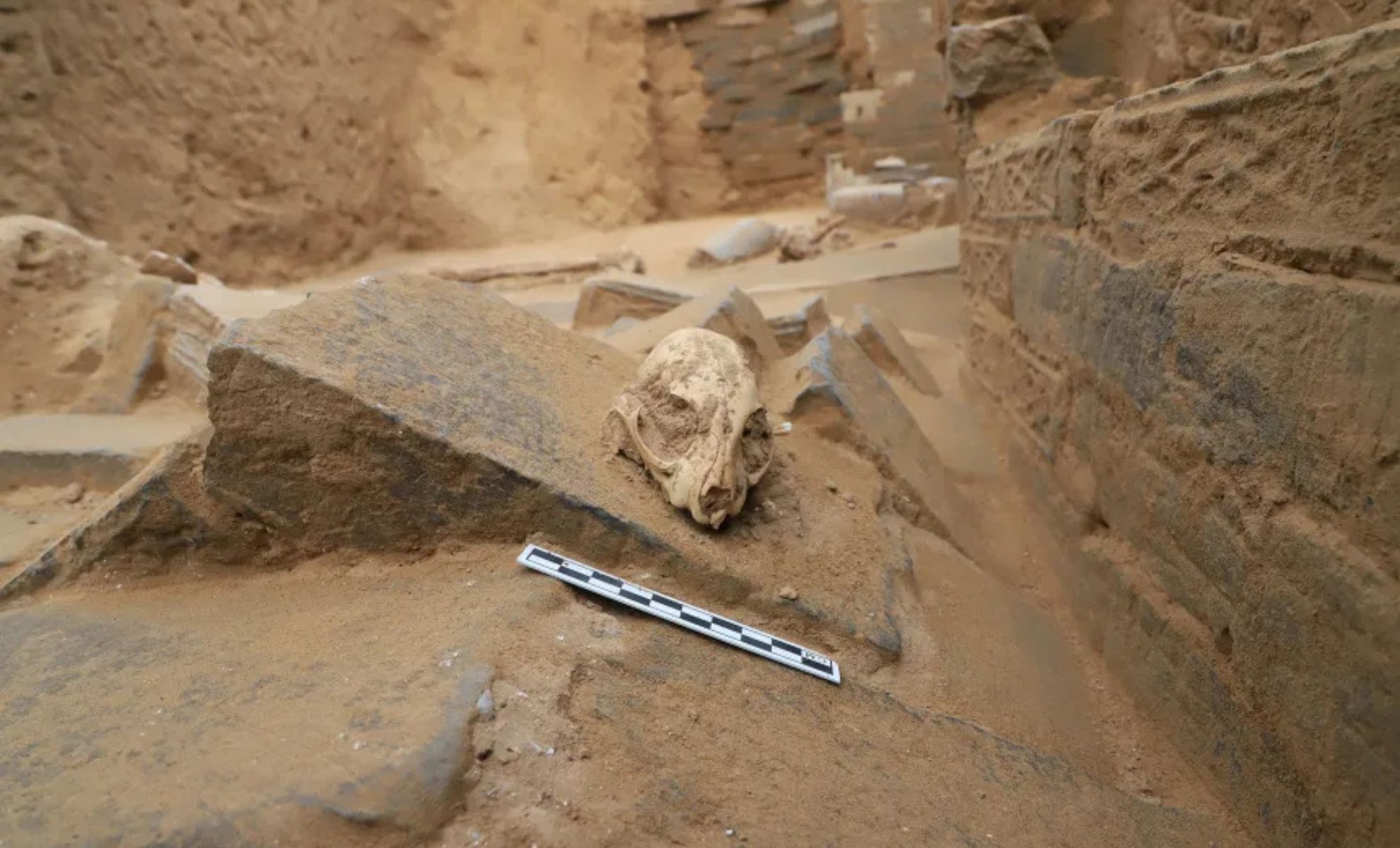 Leopard cat skull found in a Han dynasty tomb at the Zheng-Han ancient city site ©Ziyi Li and Wenquan Fan
The team behind the study examined DNA from ancient cats found at archaeological sites across Europe and Anatolia. By comparing these with modern wildcat populations, they found that the early cats in Europe were not domesticated but were instead closely related to wild European species. This new timeline places the domestication of cats firmly within the Roman Empire era, when trade and military expansions likely facilitated their spread.
The Role of Ancient Egypt in Cat Domestication
While the study pushes back the timeline for domestication, it does not dismiss the importance of Egypt in the history of domestic cats. Ancient Egypt is well known for its reverence of cats, with many depictions of the animals in art and even mummified remains. However, the new genetic findings suggest that Egypt may have been more of a “finishing school” for cats, where their domestication became more formalized, rather than the original birthplace of the species.
In fact, the study highlights that the genetic evidence does not show the type of domesticated cats seen in ancient Egypt until about 2,000 years ago. This new information refines our understanding of cat domestication as a more complex, multi-regional process, rather than a singular event that began in the Middle East or Egypt.
How Cats Spread Across the Globe
The new findings also reveal the broader pathways of cat dispersal across the globe. Domestic cats likely spread westward from North Africa during the Roman Empire, with trade and conquest playing a crucial role in their distribution. The researchers suggest that cats were carried aboard ships to help manage pests, a practice that would have been valuable in the bustling Mediterranean ports.
Later, as trade routes like the Silk Road connected different parts of the world, cats made their way into Asia, with evidence showing that domestic cats reached China by the 7th century. These findings highlight how cats, once domesticated, became integral to human societies through their ability to control rodents and their symbolic importance in different cultures.
The latest research on domestic cats has rewritten a part of their history, showing that their domestication was a much later process than previously believed, with a complex spread across multiple regions. As cats continue to be cherished companions in homes around the world, this new understanding adds depth to their mysterious past and the bond they share with humanity.