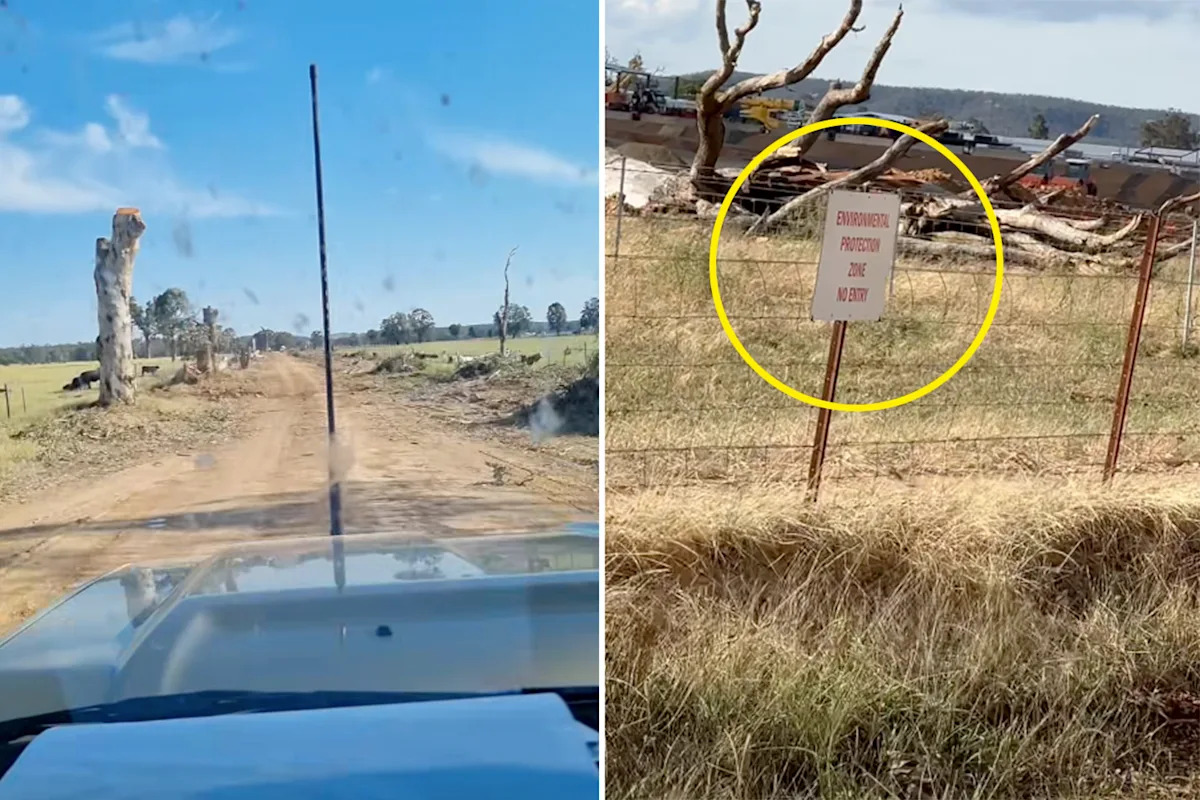
Residents in rural NSW are furious and devastated after a centuries-old wildlife corridor was ripped from the ground as part of a road upgrade for a renewable energy hub. The six-kilometre stretch of Merotherie Road, north of Mudgee, is now unrecognisable, but networkers operators say it was “unavoidable”.
Trees on both sides of the dirt road were destroyed to widen Merotherie Road as it prepares to become a main thoroughfare to the new energy hub being built nearby. But the destruction has caused uproar from the community.
Independent Federal Member for Calare Andrew Gee has slammed the works as “environmental vandalism”, despite the government announcing a $140 million biodiversity offsets package last month.
“They’ve taken out every single native tree on either side of Merotherie Road,” Gee said in a video on his Facebook page, adding it goes “as far as the eye can see”.
Do you have a story? Contact newsroomau@yahoonews.com
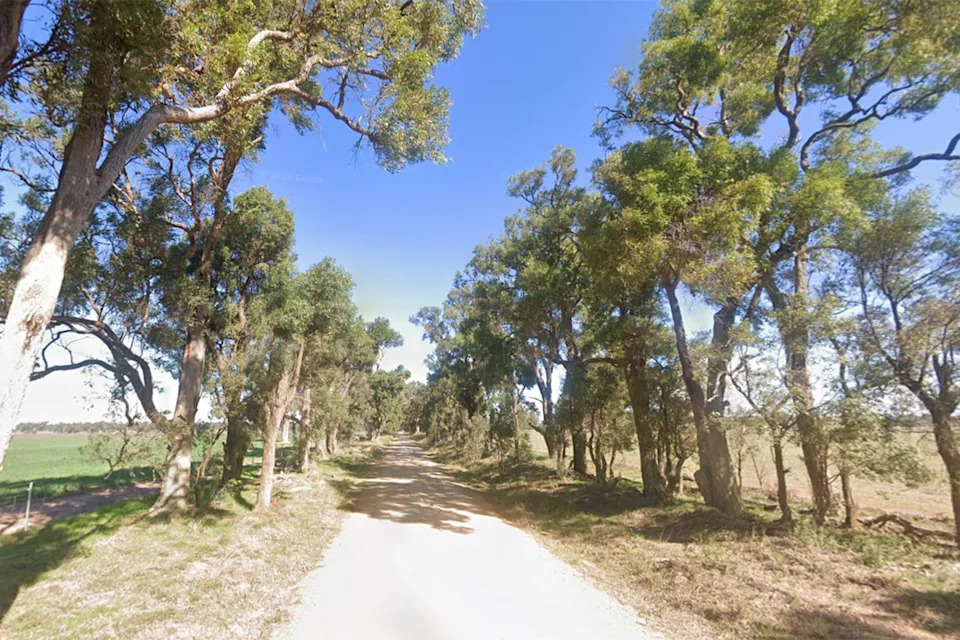
This is what Merotherie Road looked like before the works began. Source: Google Maps
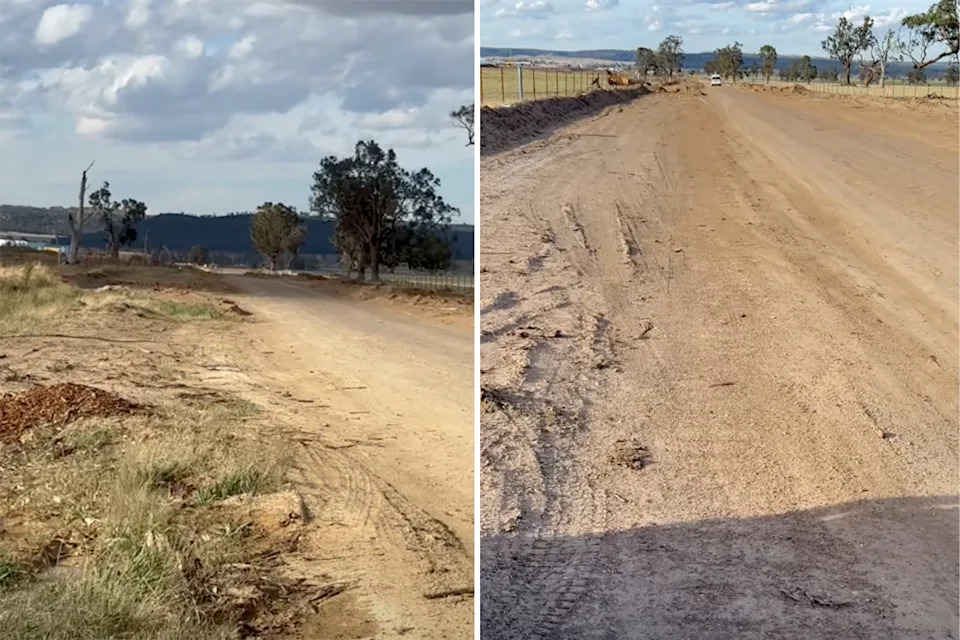
All trees have been removed to widen the road for heavy vehicles and large equipment to be transported to the nearby energy hub. Source: Andrew Gee MP
Baby birds displaced as trees axed
“They have destroyed the native habitat of our local fauna including dozens of native birds, birds of prey, parrots, kestrels,” Gee continued.
Photos from WIRES volunteers show dozens of displaced baby birds that are now in their care.
Gee said the wildlife carers — of which there are only two in Mudgee — were “totally overwhelmed”.
“It is absolutely scandalous. They have created a moonscape when there was no need for this destruction. It is shocking and it is disgraceful,” he said.
Deputy Mayor of Dubbo Regional Council Phillip Toynton also took a drive out to Merotherie Road on Friday.
He noted the cleared land on either side of Merotherie Road and said the plans could’ve “easily” been shifted to avoid knocking down the trees.
“Let’s rip all these trees down for the sake of it, all in the guise of clean, green renewable energy,” he said, while driving past stumps and remnants of trees.
“To have this never-ending pursuit of ‘net zero’ and ‘100 per cent renewable energy’ — well this is the dark side of it. This is fact. This is what’s happening. All in the name of ‘the green thing’. It’s absolutely disgusting.”
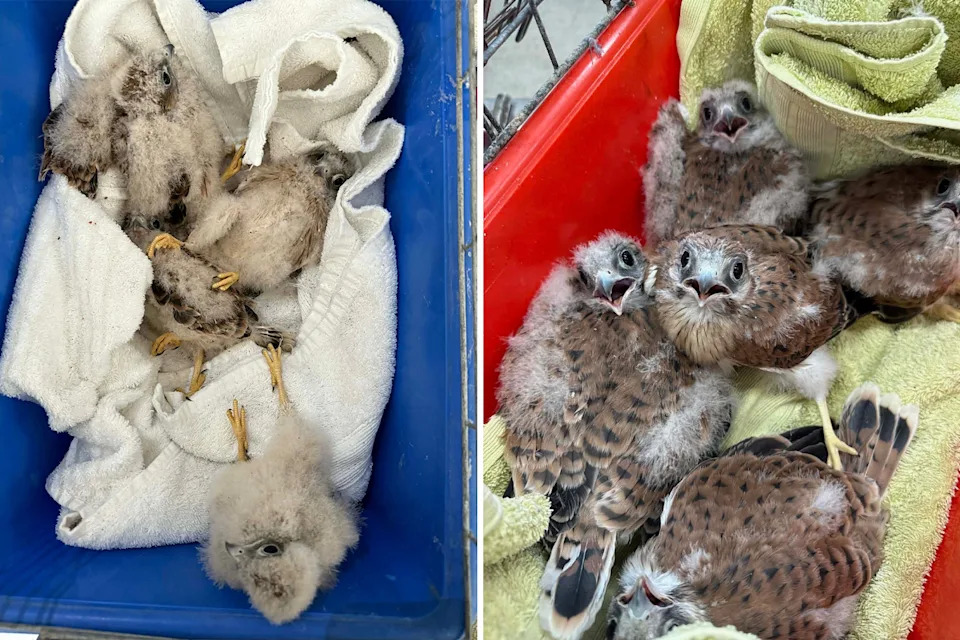
Dozens of baby birds are now in the care of ‘overwhelmed’ WIRES volunteers. Source: WIRES via Andrew Gee
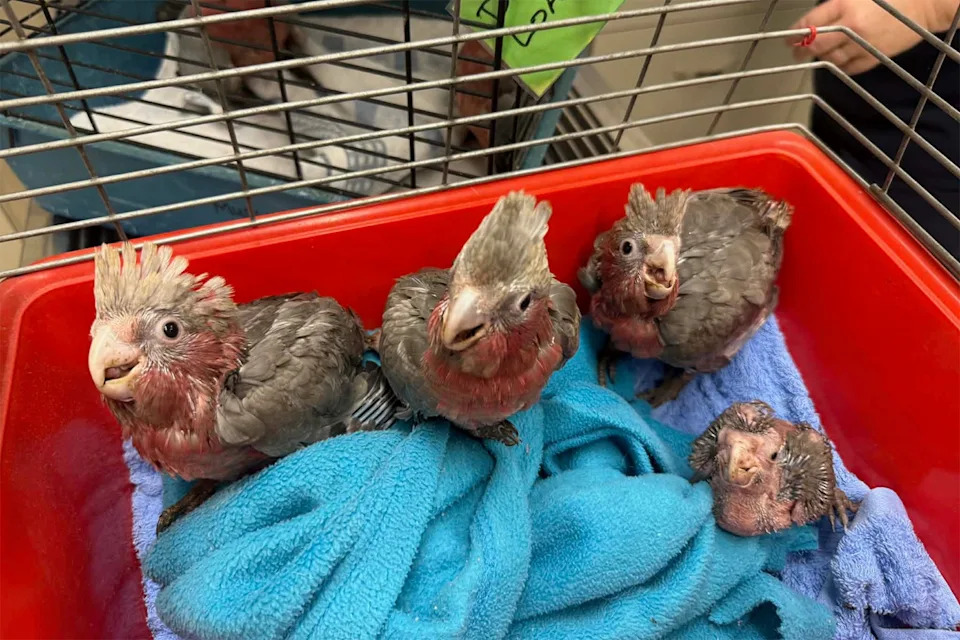
Baby galahs were among the displaced birds Source: WIRES via Andrew Gee
Road upgrade needed for renewable energy project
New high-capacity transmission lines and energy hubs are being built as part of the Central-West Orana Renewable Energy Zone (REZ) transmission project — the first of its kind in NSW.
The new infrastructure will cost upwards of $5.5 billion, and allow solar and wind farms to export electricity to the rest of the network, delivering more reliable, clean and affordable energy to residents and businesses.
Vegetation on Merotherie Road needed to be removed to widen the road in order to comply with Austroads Guidelines and safety specifications, network operator ACEREZ said.
The roads will be used to deliver key equipment to the site.
“Widening the road will enable traffic to travel safely in both directions. ACEREZ has consulted with local councils and the relevant road authorities on the road design,” it said.
“The Central-West Orana REZ transmission project aims to avoid and minimise impacts to biodiversity where possible and has been informed by detailed field investigations. However, some loss of native vegetation is unavoidable. A range of measures are being implemented by EnergyCo to offset the biodiversity impacts of the project.”
Environmental safeguards are in place to help reduce dust, noise and traffic disruptions, the company said.
The government’s $140m Biodiversity Conservation Investment Strategy was designed to make sure that any “unavoidable” impacts to the environment are balanced by “equivalent conservation measures”.
Last month, a $27m deal with landowners was announced for more than 140,000 biodiversity credits.
“We’re ensuring landholders and local communities benefit financially from conservation, creating a win-win for the environment and the local economy,” Minister for Climate Change, Energy and the Environment, Penny Sharpe, said at the time.
The strategy’s priorities for the region include:
Creating wildlife corridors and habitat connectivity.
Generating voluntary opportunities for local landowners to benefit directly from biodiversity restoration.
Partnerships with First Nations groups to deliver conservation outcomes.
The Central-West Orana REZ will unlock at least 4.5 gigawatts of new network capacity by the late 2020s.
The infrastructure will power the state “for generations to come”, ACEREZ CEO Steve Masters said earlier this year.
Do you have a story tip? Email: newsroomau@yahoonews.com.
You can also follow us on Facebook, Instagram, TikTok, Twitter and YouTube.