
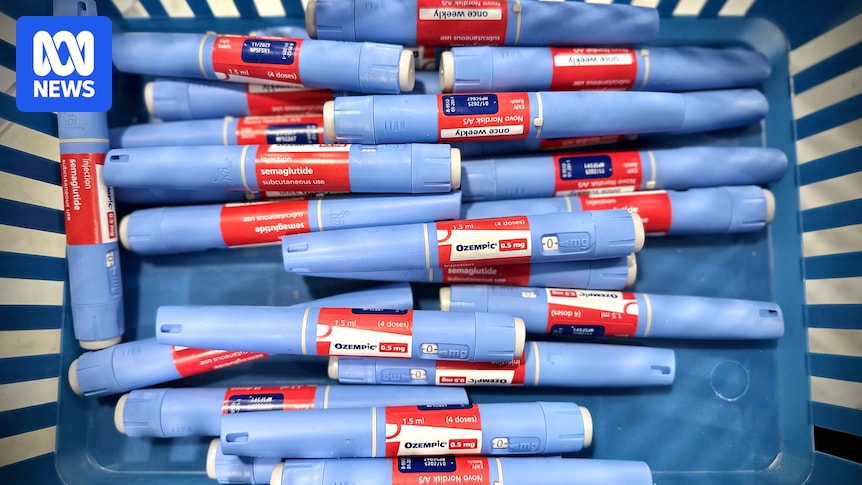
Ozempic-style medications have been endorsed as long-term treatments for obesity under new guidelines released by the World Health Organization (WHO), which has called on governments and health systems around the world to ensure treatment is more affordable and universally accessible.
However the WHO warned that even with rapid expansion in production, the weight loss medications are projected to reach fewer than 10 per cent of those who could benefit by 2030.
In response to what it describes as an increasing public health challenge, the WHO has developed guidelines on the use of glucagon-like peptide-1 (GLP-1) based medications, such as Ozempic or Wegovy, for people with obesity.
Published in the Journal of the American Medical Association (JAMA) overnight, the guidelines recommend that long-term GLP-1 therapies be used for weight management for adults with obesity alongside behavioural therapy, like physical activity, diet and regular counselling sessions.
“Obesity is a major global health challenge that WHO is committed to addressing by supporting countries and people worldwide to control it, effectively and equitably,” WHO director-general Tedros Adhanom Ghebreyesu said.
“Our new guidance recognises that obesity is a chronic disease that can be treated with comprehensive and lifelong care.
“While medication alone won’t solve this global health crisis, GLP-1 therapies can help millions overcome obesity and reduce its associated harms.”
What are GLP-1 drugs?
GLP-1-based drugs are a breakthrough class of medication that mimic the activity of a natural hormone, slowing digestion and helping people feel full for longer.
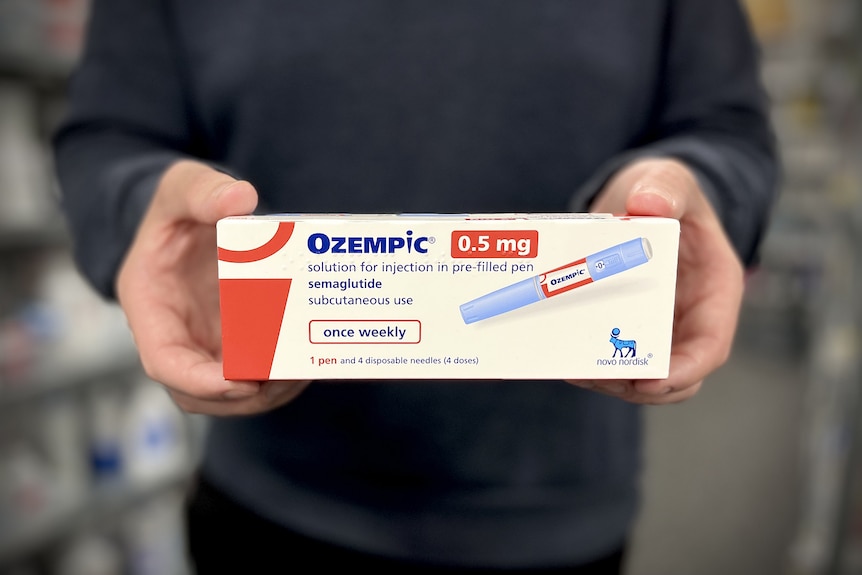
The guidelines recommend long-term GLP-1 therapies be used for weight management for adults with obesity alongside behavioural therapy. (Flickr: Chemist 4 U)
They were originally developed to treat people with type 2 diabetes, but have gained prominence helping people manage obesity.
The WHO said its guidelines marked a shift in how obesity was treated by society globally, recognising it as “a chronic, relapsing disease requiring lifelong care” rather than a “lifestyle condition”.
The guidelines were released hours after Australia’s medicines regulator issued a safety alert over the potential risk of suicidal thoughts and behaviours for people taking GLP-1-based drugs, including Ozempic and Wegovy.
Obesity remains a leading cause of chronic disease and premature death, affecting more than 1 billion people globally, with cases rising in almost every country in the world.
How Ozempic works in the brain to help people lose weight
Last year there were 3.7 million obesity-related deaths from non-communicable diseases, with the WHO stating the global economic impact was predicted to reach $US3 trillion ($4.6 trillion) per year by 2030.
Peter Shepherd, a professor of molecular medicine and pathology at the University of Auckland, said the paper highlighted the recognition of medical treatments as an important tool in treating obesity.
“The world has moved in 100 years from a state where global malnutrition was the major global health crisis to a state where excess weight now is,” he said.
“A major barrier to effective treatment of obesity has been a failure to understand the biology that is driving our appetite and fat accumulation.
“This has changed drastically and we now understand that drugs that mimic a natural hormone called GLP-1 can safely and effectively reduce appetite and weight.”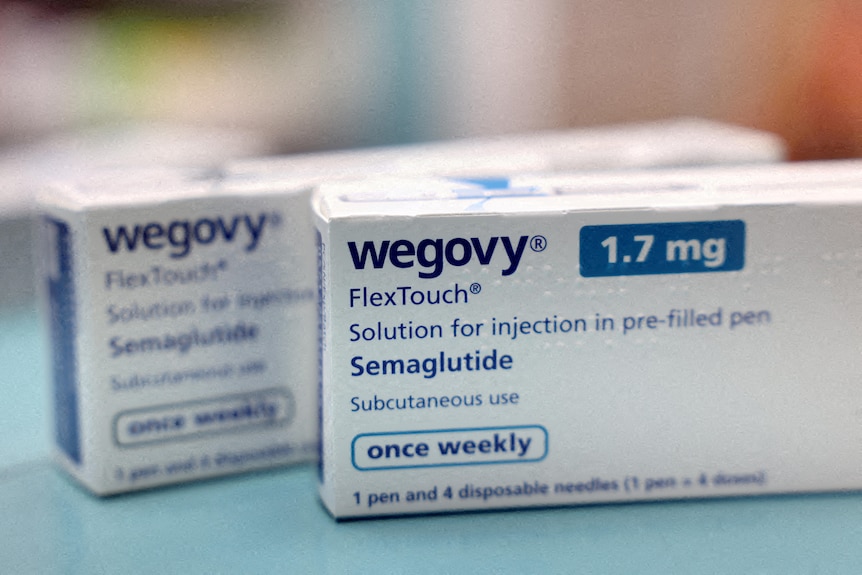
The guidelines are around the use of glucagon-like peptide-1 (GLP-1) based medications, such as Ozempic or Wegovy, for people with obesity. (Reuters: Hollie Adams)
Prices predicted to fall as patent expires
The JAMA paper also stated that “high costs, limited production capacity, and supply-chain constraints remain major barriers to universal access to GLP-1 therapies”.
Addressing this would require collaboration among public and private partners, according to the WHO, which noted the global patent for semaglutide — known by the brand names Ozempic or Wegovy — would start to expire in some countries from next year.
Ozempic and eating disorder concerns prompt calls for more screening
Professor Shepherd said that would help make the drugs more accessible.
“One issue is cost … while many people report significant savings on food costs while on these drugs, this remains unaffordable for many individuals,” he said.
“The good news is the patent for the main ingredient runs out soon and many competitors are poised to enter the market, so prices will surely fall.
“The other issue is what long-term side effects might be. We already know muscle loss caused by these drugs is a potential issue, particularly in older people, so careful monitoring will be required.”
Calls for medication to be subsidised
In Australia, different types of GLP-1 medications are approved for use for diabetes or chronic weight management.
However, they are only subsidised on the Pharmaceutical Benefits Scheme for treatment of type 2 diabetes in certain cases, which means some people are paying as much as $700 a month for the scripts privately.
Preliminary research led by the University of New South Wales last month found that since 2020, total sales of GLP-1-type drugs in Australia increased almost 10-fold, reaching about half a million units each month in 2024–25, with an estimated about 500,000 people now using them.
Markets feel the Ozempic effect
The Royal Australian College of General Practitioners (RACGP) has been calling for the medication to be subsidised on the PBS for obesity, arguing it would reduce health inequity and remove a significant cost barrier for many Australians.
In March, Health Minister Mark Butler wrote to the Pharmaceutical Benefits Advisory Committee (PBAC) — which decides what lands on the PBS — to seek advice on equitable access to GLP-1 medicines for the treatment of obesity through the PBS.
The WHO issued a “global call” to its 194 member states, including Australia, to make sure services to manage obesity were universally available, affordable and sustainable.
“Effective management and reversal of obesity across all ages, with early, sustained intervention to reduce and possibly eliminate related comorbidities, is now a realistic prospect,” the paper concluded.
“The way societies respond to this opportunity will determine whether this is truly the dawn of a new, more equitable era or a missed opportunity to record a historic global health success story.”