
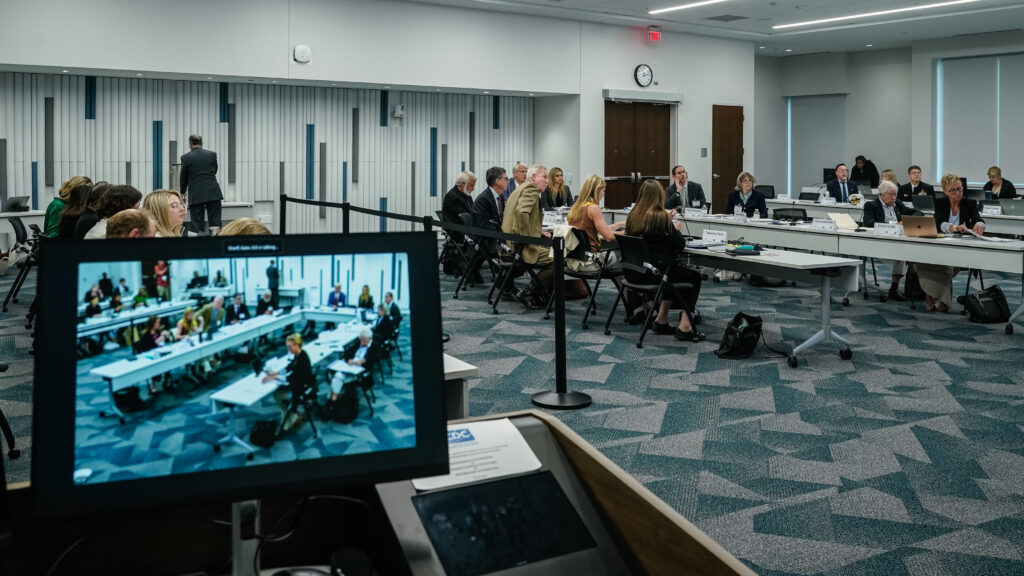
WASHINGTON — The federal government’s vaccine advisory panel is scheduled to review the hepatitis B vaccine this week. But experts on the shot — both in and outside of the government — told STAT they’ve been shut out of the process.
Makers of the vaccine, who hold safety data about the shot and house experts on its manufacturing and development, haven’t been consulted by government experts as they usually are, according to three people familiar with the matter who asked not to be identified because they were not authorized to speak publicly.
In-house experts haven’t fared any better.
At an all-hands meeting of the Centers for Disease Control and Prevention’s Immunization Services Division on Tuesday, director Georgina Peacock told staff that no one from the division or the overall Center for Immunization and Respiratory Diseases would be speaking at the meeting later this week, according to a person familiar with the situation, who was not authorized to speak publicly.
CDC subject matter experts usually present agency data and answer questions asked by the committee during the meetings.
“[ACIP leaders] do not appear to be interested in that aspect of the safety data,” one of the people familiar with the discussions said.
An HHS spokesperson told STAT a “diverse group of viewpoints” will be presented at the meeting and vaccine manufacturers “will have the opportunity to make a statement.”
The disconnect between the committee and vaccine safety experts within pharmaceutical companies, which gather data on their products, comes as ACIP and HHS leaders have focused intensely on vaccine safety data, saying it is an administration priority to review existing data and further study the shots.
ACIP’s unorthodox process has been widely criticized by public health leaders as ignoring robust scientific data supporting the use of vaccines, lacking transparency, and putting political goals ahead of public health outcomes.
Though government health officials have access to some safety data through earlier filings from the companies to the Food and Drug Administration, for example, people in the vaccine manufacturers said ACIP representatives in previous years would ask to see the data and discuss it with company experts, often over multiple meetings.
Though experts have previously been pushed out of the committee’s deliberations, the planned removal of CDC experts appears to be a further tightening on who is allowed to speak on vaccine safety and efficacy.
CDC staffers did present on hepatitis B vaccines during the committee’s September meeting, when it first probed whether to recommend delaying the shot. However, some committee members questioned the existing data and insisted there’s a lack of research on the long-term safety of the injections.
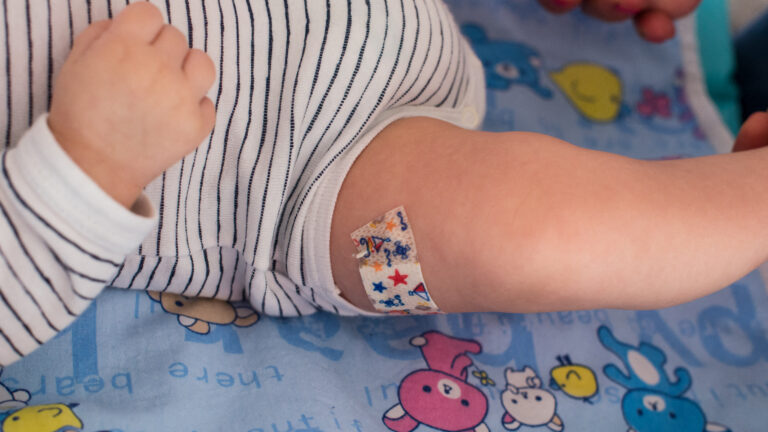
Leaders on the committee — which was remade by health secretary Robert F. Kennedy Jr. — have previously cast doubt on the safety and efficacy of many vaccines despite their being repeatedly validated as safe and effective. In an earlier meeting, the group discussed whether to recommend delaying the birth dose of hepatitis B vaccine for babies when their mothers test negative for the infection — despite strong evidence that the birth dose is both safe and prevents chronic disease.
ACIP’s decisions could have serious implications for the future of the childhood vaccination schedule, with potential ripple effects across the health system, from complicating a fragile vaccine supply chain to opening new questions about providers’ liability and reimbursement.
Two major manufacturers of pediatric hepatitis B vaccines, GSK and Merck, submitted letters to ACIP urging the group to make transparent, evidence-based decisions in their meeting this week.
“Merck welcomes the opportunity to discuss our data and answer any questions,” Björn Oddens, the senior vice president for Global Medical Affairs & Outcomes Research at Merck Research Laboratories, wrote in the letter. “We stand ready to continue to ensure that science-driven vaccine policies keep our communities safe.”
Previous comments from the committee’s leaders — as well as leaders across HHS — have raised alarm among public health experts, who say the committee is beginning with a conclusion and finding evidence to support it.
“How they’re approaching this is not how science works,” Sean O’Leary, a doctor who chairs the American Academy of Pediatric’s Committee on Infectious Diseases, told reporters Tuesday. “That seems to be the main goal of this committee — is to scare the American public about vaccines.”