
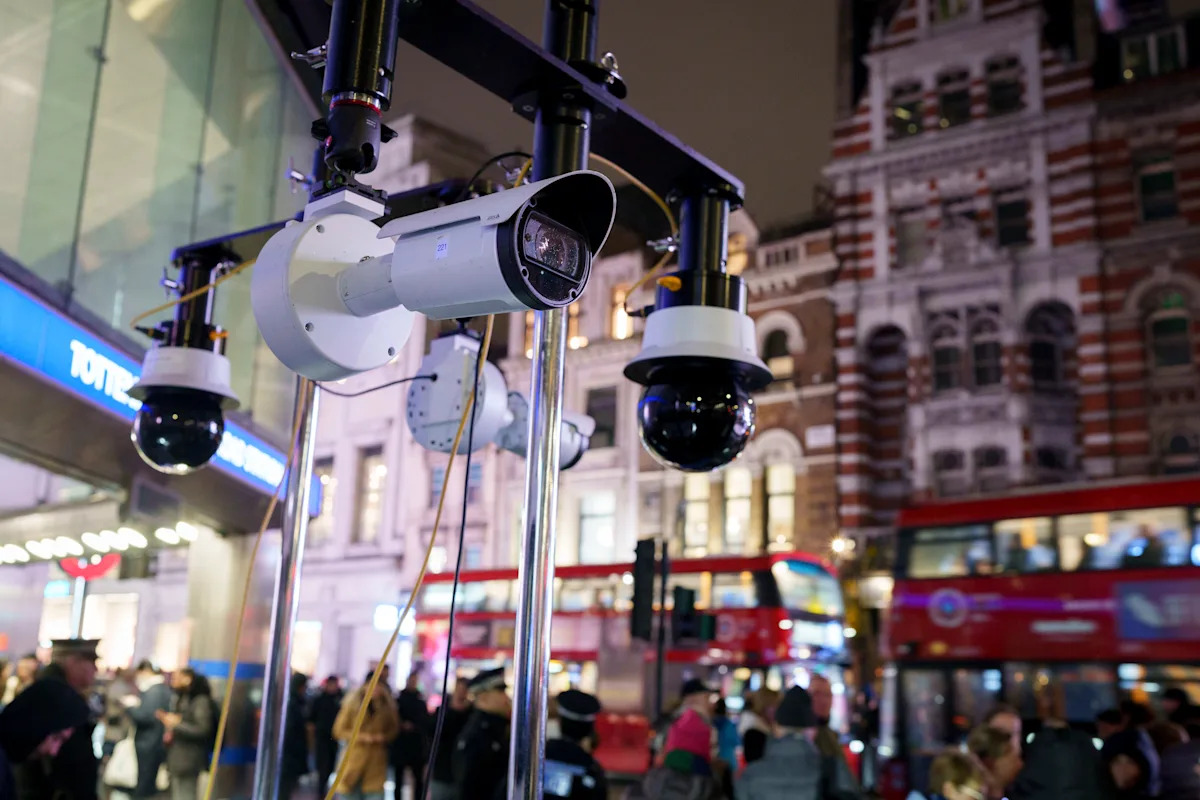
Use of facial recognition in the UK’s towns and cities could be massively ramped up under new plans unveiled by the government.
Ministers say the technology has already helped catch thousands of criminals and has the potential to “put more criminals behind bars”.
A new consultation, launching on 4 December, is expected to form the basis of new laws governing the use of the technology.
But as they prepare to ask the public how the increased surveillance should be regulated, civil liberties campaigners have warned it risks snaring innocent people by mistake.
Policing minister Sarah Jones called facial recognition the “biggest breakthrough for catching criminals since DNA matching”, with official figures suggesting it helped London’s Metropolitan Police make 1,300 arrests over the last two years.
But the force’s use of the cameras was also criticised by the Equality and Human Rights Commission (EHRC), which described its use by police as “unlawful” and warned it risked having a “chilling effect” on individuals’ rights.
The Met insisted it was “both lawful and proportionate, playing a key role in keeping Londoners safe”.
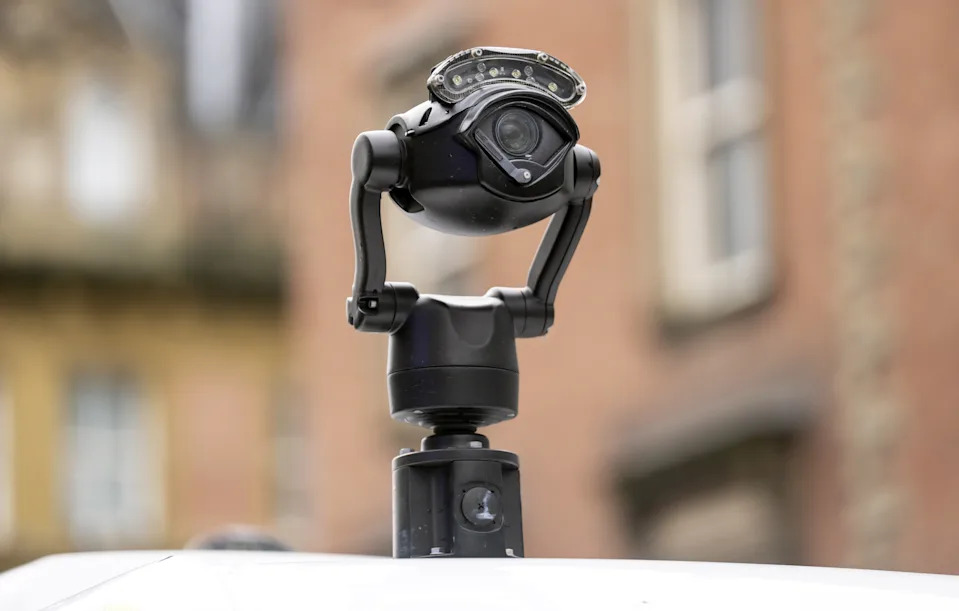
A camera on top of a Live Facial Recognition (LFR) van deployed in Leeds by West Yorkshire Police. (Getty Images)
The Times newspaper reported officers could be given access to passport and driving licence photographs, as well as footage taken from CCTV, doorbell and dashboard cameras, to track people.
What are facial recognition cameras?
Facial recognition is a biometric technology that detects key facial features and converts them into a unique digital template.
Many people already use it every day, for example, by unlocking their iPhone using Face ID.
Currently, police use three main types of facial recognition:
Retrospective – this is used by investigators to search images from crime scenes and compare them against images of people held on file
Live – live video footage of people passing cameras is monitored in real time and compared against a list of wanted people
Operator-initiated – allows officers to check someone’s identity, such as with a mobile app, without needing to arrest them. It can also be used to check the identity of anyone who may be unconscious, seriously injured or otherwise unable to communicate who they are
The technology has previously faced criticism in law enforcement use for being potentially discriminatory against people of colour.
But Neil Basu, the Metropolitan Police’s former head of counter terrorism policing, said it had now taken a “massive step forward”.
“The live facial recognition system was, but no longer is, discriminatory, but it will still require proper legal safeguards and oversight by the surveillance commissioner,” he said.
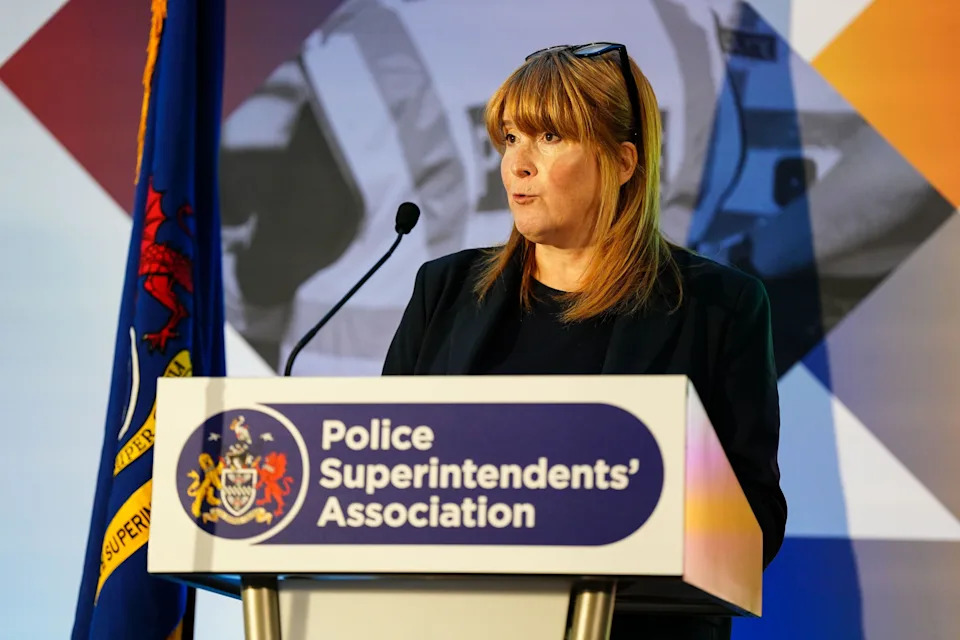
Policing minister Sarah Jones has called facial recognition the ‘biggest breakthrough for catching criminals since DNA matching’. (PA)
“This consultation is a necessary and welcome step by the government, which I hope will expedite its use by policing, lead them to catch more criminals, and keep us much safer.”
How to spot facial recognition cameras?
Facial recognition cameras come in many shapes and sizes, but you can spot them if you know what to look for.
At their most obvious, they could be housed in police vans, which may even be labelled with their purpose.
Even where the location of the camera is not apparent, signage may be in place advising the public they have been installed in a given area.
They are likely to be bigger than usual CCTV cameras and positioned to give the best and most unobstructed view of passing faces.
However, they may also be carried in the pocket of a police officer, who could use a mobile app to carry out ‘officer-initiated’ identity checks.
If you are stopped by police as a result of a facial recognition check, the police must give you the opportunity to prove you are not the person they’re looking for, to clear up mistaken identifications or misunderstandings.
If you are in an area where live facial recognition is in use, it is not a criminal offence to attempt to avoid its line of sight.
You also have the option of covering your face – unless an order is in place requiring the public to remove face coverings.
Intentionally attempting to obstruct a camera, however, may be considered ‘obstructing a police officer’.