
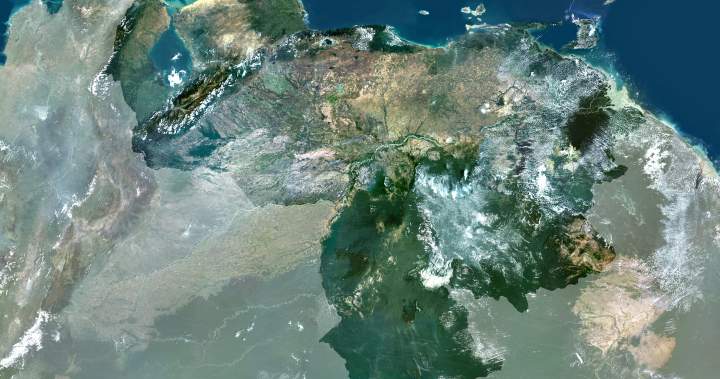
The U.S. has seized an oil tanker off the coast of Venezuela, President Donald Trump said on Wednesday, a move that raised oil prices and is likely to further inflame tensions between Washington and Caracas.

“We’ve just seized a tanker on the coast of Venezuela, large tanker, very large, largest one ever, actually, and other things are happening,” Trump said.
Trump has ordered a massive U.S. military build-up in the region, including an aircraft carrier, fighter jets and tens of thousands of troops.
The seizure could signal new and intensifying efforts to go after Venezuela’s oil, the country’s main source of revenue.
6:22
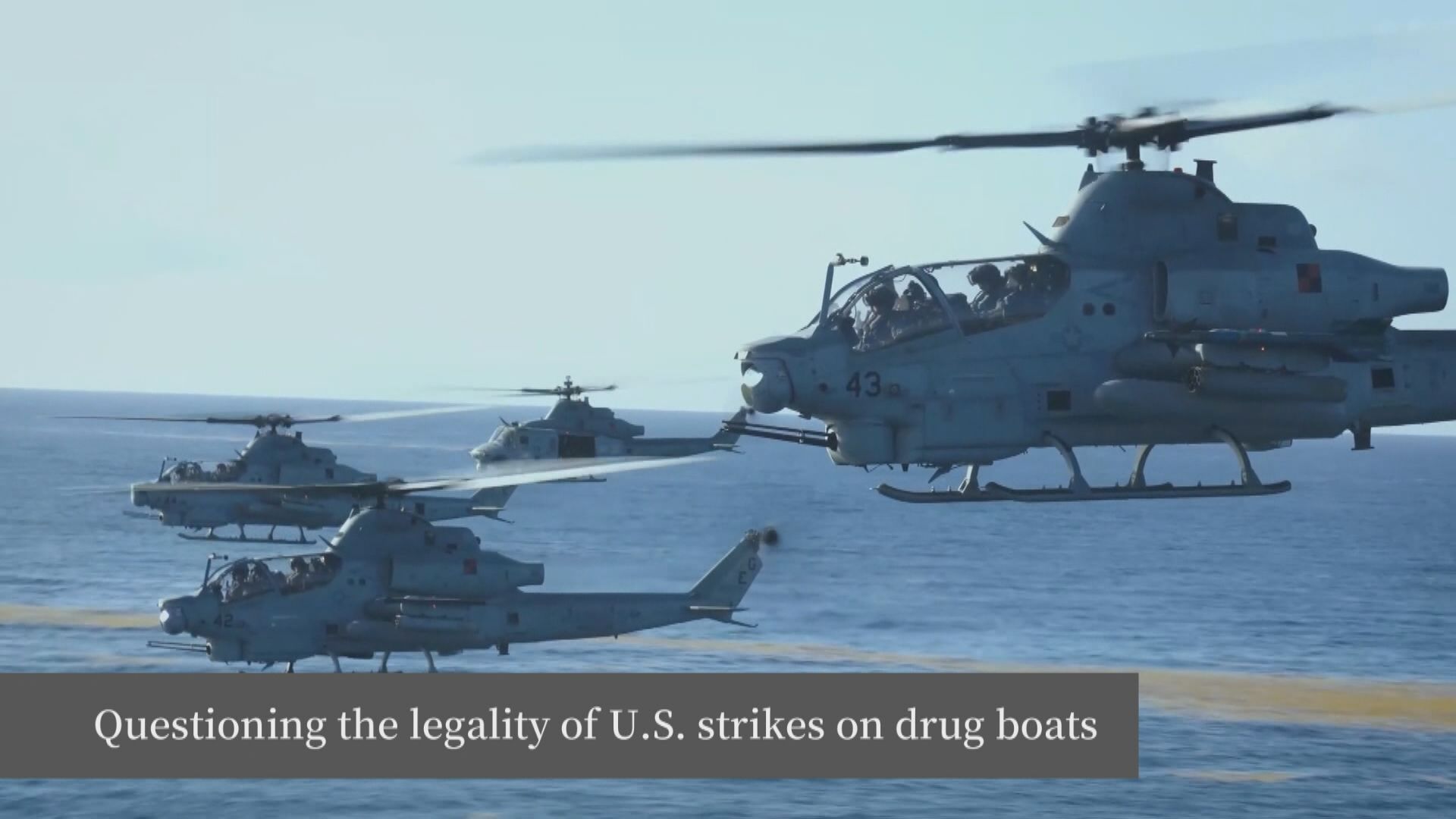
U.S. Strikes off Venezuela spark legal questions and international scrutiny
Three U.S. officials, speaking on the condition of anonymity, said the operation was led by the U.S. Coast Guard. They did not name the tanker, which country’s flag it was flying or exactly where the interdiction took place.
Story continues below advertisement
British maritime risk management group Vanguard said the tanker Skipper was believed to have been seized off Venezuela early on Wednesday. The U.S. has imposed sanctions on the tanker for what Washington said was involvement in Iranian oil trading when it was called the Adisa.
Oil futures rose following news of the seizure. After trading in negative territory, Brent crude futures LCOc1 rose 27 cents, or 0.4%, to settle at $62.21 a barrel, while U.S. West Texas Intermediate crude futures CLc1 gained 21 cents, also 0.4%, to close at $58.46 per barrel.
Get breaking National news
For news impacting Canada and around the world, sign up for breaking news alerts delivered directly to you when they happen.
The Venezuelan government did not immediately respond to a request for comment.
Venezuela exported more than 900,000 barrels per day (bpd) of oil last month, the third-highest monthly average so far this year, as state-run company PDVSA imported more naphtha to dilute its extra heavy oil output.
Story continues below advertisement
Even amid increasing pressure over Venezuelan President Nicolas Maduro, Washington had until now not moved to interfere with the country’s oil flows.
1:35
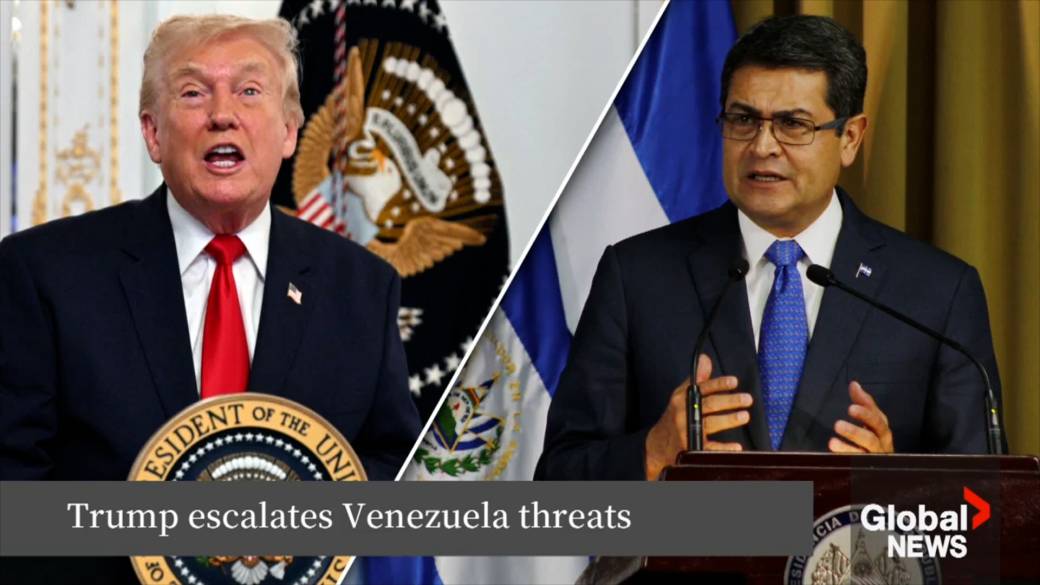
Trump escalates tensions with Venezuela’s Maduro
Venezuela has had to deeply discount its crude in its main buyer, China, due to growing competition with sanctioned oil from Russia and Iran.
“This is just yet another geopolitical/sanctions headwind hammering spot supply availability,” Rory Johnston, an analyst with Commodity Context, said.
“Seizing this tanker further inflames those prompt supply concerns but also doesn’t immediately change the situation fundamentally because these barrels were already going to be floating around for a while,” Johnston said.
Trending Now
‘Prices have not come down,’ says Bank of Canada after holding rates

Sophie Kinsella, author of ‘Shopaholic’ novels, dead at 55
INCREASING PRESSURE ON MADURO
Maduro has alleged that the U.S. military build-up is aimed at overthrowing him and gaining control of the OPEC nation’s vast oil reserves.
Story continues below advertisement
Since early September, the Trump administration has carried out more than 20 strikes against suspected drug vessels in the Caribbean and Pacific, killing more than 80 people.
Experts say the strikes may be illegal, since there has been little or no proof made public that the boats are carrying drugs or that it was necessary to blow them out of the water rather than stop them, seize their cargo and question those on board.
Concerns about the strikes increased this month after reports that the commander overseeing the operation ordered a second strike that killed two survivors.
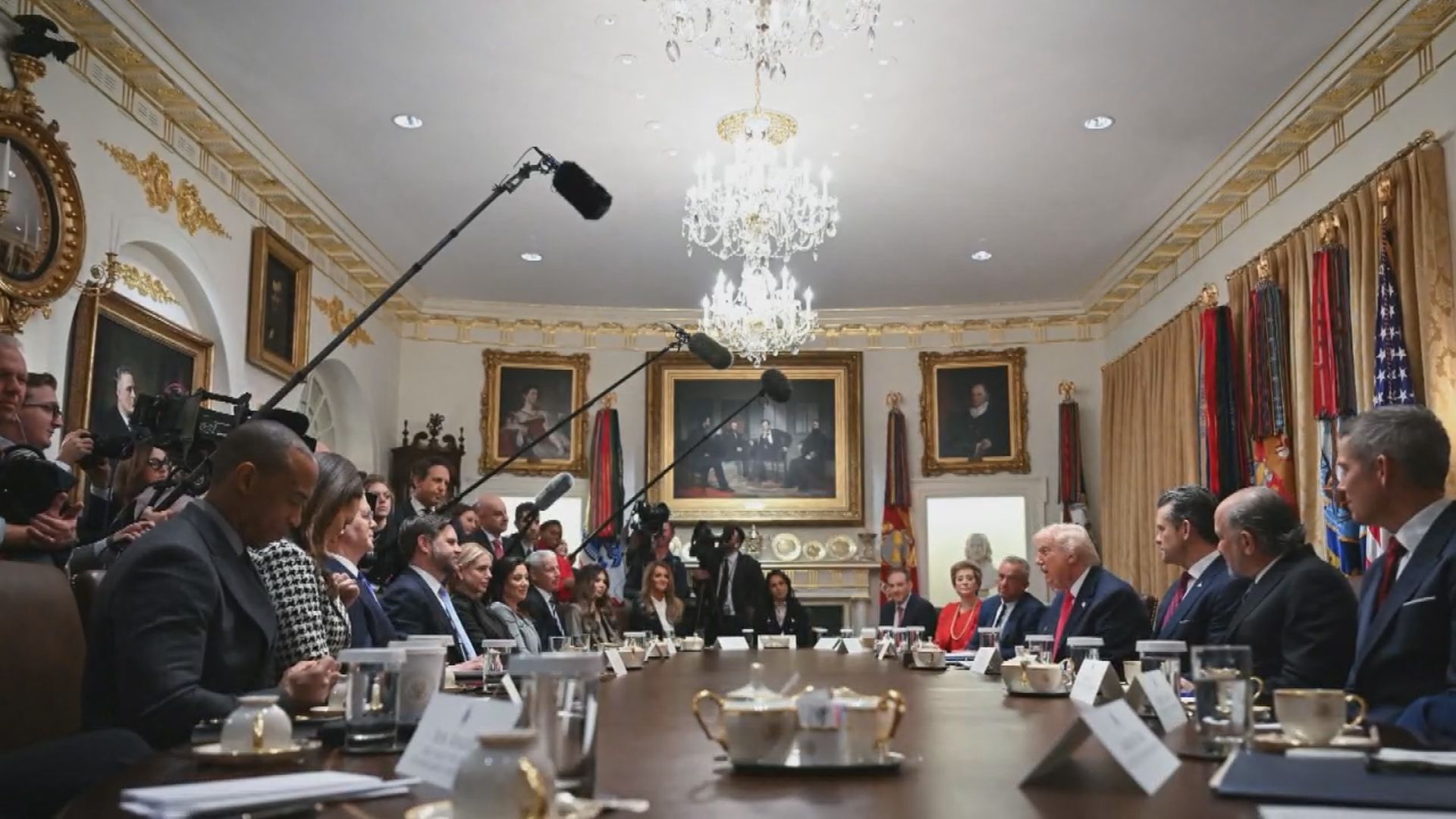
2:00
Hegseth blames ‘fog of war’ in 2nd strike on alleged Venezuelan drug boat
A Reuters/Ipsos poll published on Wednesday found that a broad swath of Americans oppose the U.S. military’s campaign of deadly strikes on the boats, including about one-fifth of President Donald Trump’s Republicans.
Trump has repeatedly raised the possibility of U.S. military intervention in Venezuela.
Story continues below advertisement
In a sweeping strategy document published last week, Trump said his administration’s foreign policy focus would be on reasserting its dominance in the Western Hemisphere.
The strategy outlines a “Trump Corollary” to the Monroe Doctrine, a more-than-200-year-old foreign policy statement that has been used the justify U.S. interventions in Latin America.
More on World
More videos