
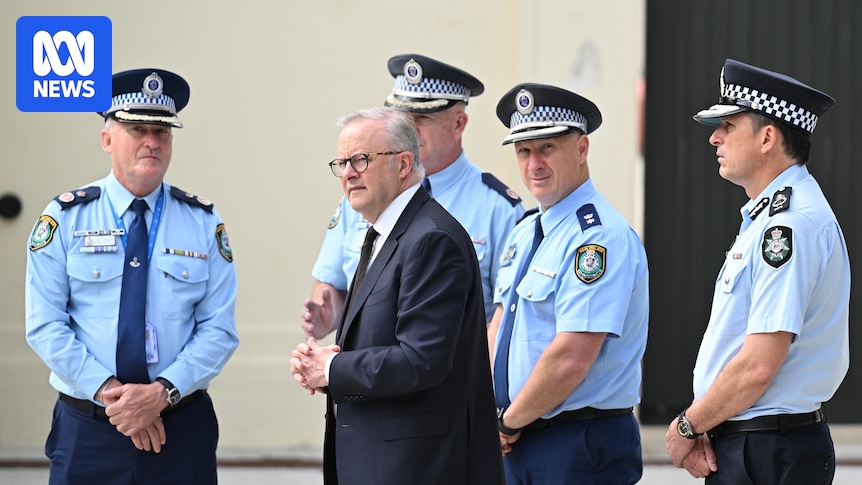
A report that has sat on Prime Minister Anthony Albanese’s desk for months is being raised by critics as key evidence that the federal government has done too little, too late to respond to the rising tide of antisemitism since the October 7 terror attack in Israel.
Mr Albanese hand-picked Jillian Segal in 2024 to develop a plan to combat antisemitism, and she delivered the plan standing alongside the prime minister and Home Affairs Minister Tony Burke in July.
The review, which makes sweeping recommendations that would have consequences for police, universities, media outlets, arts institutions and the wider Australian culture, has not been formally responded to.
Jewish leaders say that plan could have helped put a stop to a “permissive” culture of antisemitism.
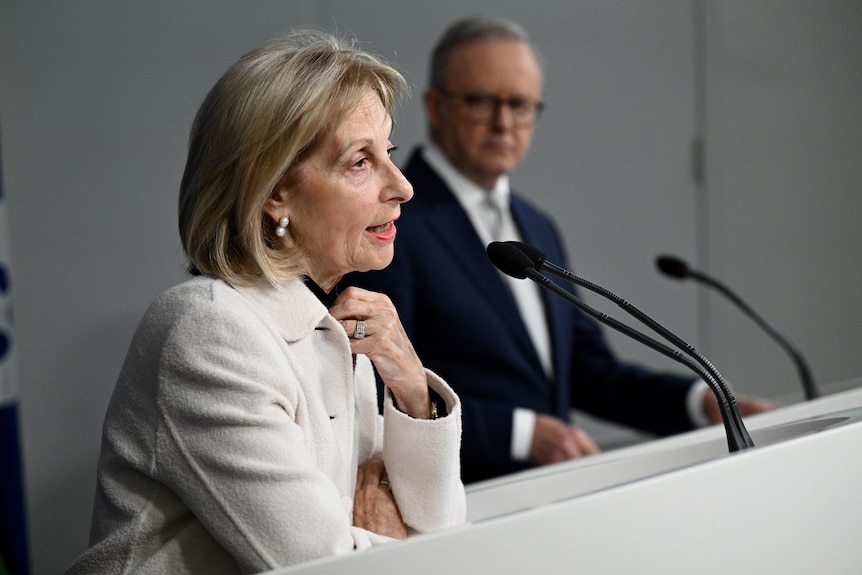 Jillian Segal handed her report to the government in July.(AAP: Dan Himbrechts)
Speaking on Monday afternoon, Mr Albanese said his government had acted “and will continue to act on the implementation of the plan”.
Mr Albanese pointed to his government’s strengthening of hate speech laws and a ban on Nazi and other hate symbols, the creation of a national student ombudsman to address antisemitism on campuses, and its support of Ms Segal’s work on a “university report card” assessing responses to antisemitism.
The prime minister said the government had also enhanced social cohesion programs, provided funding for enhanced security at Jewish institutions, and was reviewing training for migration officials screening applicants for hateful views and conduct.
Read more on the Bondi Beach shooting:
But in the wake of Sunday’s massacre in Bondi, where a father and son murdered more than a dozen people at a Hanukkah event at the popular tourist destination, Jewish leaders are asking why many opportunities to act more fiercely against antisemitism were not taken up.
Protests, synagogue attacks, doxxing named as missed chances to stop hate
Since October 2023, Australia has witnessed mass protests against Israel’s war in Gaza.
There also have been arson attacks at synagogues, the homes of Jewish leaders being targeted, Jewish people being “doxxed”, businesses boycotted, and Jewish schools and property being targeted by vandals.
The antisemitism envoy has pointed to a protest at the Sydney Opera House on October 9, 2023 in the aftermath of the Hamas terror attack, and a mass demonstration across the Sydney Harbour Bridge against the war in Gaza earlier this year, as high profile moments where government messaging was insufficient.
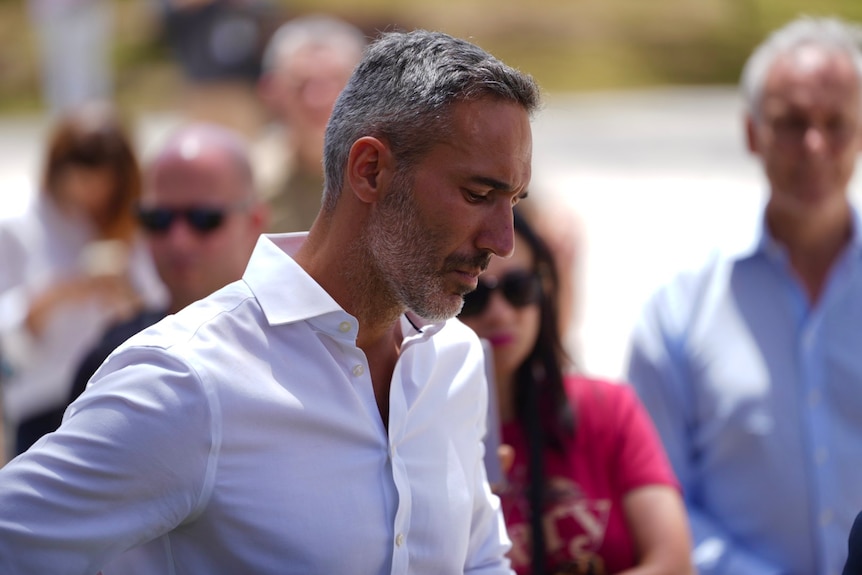 Jewish leaders say there will be a reckoning in the wake of the Bondi terror attack.(ABC News: Jak Rowland)
In February, Australia’s spy chief Mike Burgess identified antisemitism as the single greatest security threat Australia faced.
And the envoy has identified a 300 per cent increase in antisemitic incidents in Australia since the October 7 terror attack by Hamas.
Former treasurer Josh Frydenberg said inaction across successive antisemitic incidents in the past two and a half years had led to a “cascading environment of hate”.
He said political and civil leaders had not done enough, including on Ms Segal’s report.
“It has sat on [the prime minister’s] desk. If that is not a metaphor for the failure of government to act with the urgency that we need, I don’t know what is,” Mr Frydenberg told the ABC.
“I listened to the prime minister tell the Holocaust survivors … that, in his own words, he would not allow antisemitism to get a foothold in Australia. Well, what a failure that has been.
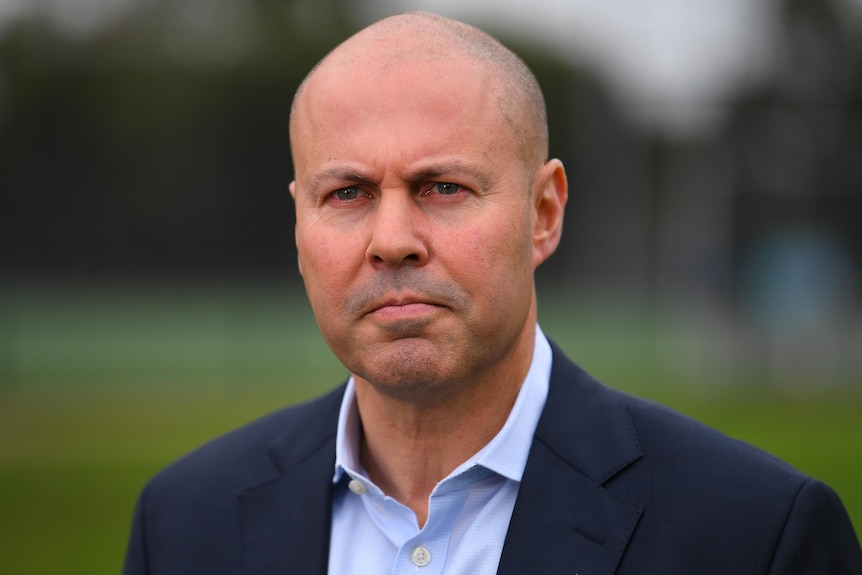 Josh Frydenberg says people “spewing hatred” must be stopped.(AAP: James Ross)
“Everything must change, everything must be on the table. The government and the opposition must come together on the advice of security agencies and with the input from the Jewish community.
“The law must be enforced. People who are spewing hate unimpeded today must be stopped.”
Labor MP Josh Burns says the government must take accountability for the Bondi massacre.
Antisemitism plan’s implications for free speech
The Coalition and Ms Segal herself have demanded the government fully endorse the antisemitism plan.
Ms Segal’s plan was received with some trepidation by parts of the community when it was delivered in July, in part because of the significant implications it could have for free speech in Australia.
While Ms Segal has not suggested the recommendations she put would directly have prevented the Bondi massacre, Jewish community leaders say excuse-making by political and civil leaders has minimised antisemitism and led to a “permissive” culture.
A senior community source familiar with the envoy’s antisemitism plan said it would be critical for the government to endorse it and “draw a line in the sand”.
“If you don’t, this is what happens,” they said.
“Can we put our hand on heart and say as Australia we did everything we could? I am not sure we can.”Key recommendations from Jillian Segal’s antisemitism planReform hate laws
The envoy recommended a review and “where appropriate” strengthening of laws addressing antisemitic or other hateful or intimidating conduct. Ms Segal said vilification laws should include the “promotion of hatred”, not just incitement to violence, and a broadening of what was captured by laws banning Nazi symbols.
Monitor media organisations
The envoy advised she intended to monitor media organisations to ensure fair and accurate coverage, particularly in the context of the conflict in Gaza following the Hamas terror attack against Israel. Ms Segal said her office could assist news organisations to meet their editorial standards and commitment to impartiality, and “to avoid accepting false or distorted narratives”.
Defund universities failing on hate
Following months of protests on university campuses, including many where encampments were staged for weeks, Ms Segal committed to developing a “university report card” to assess how each institution was combating antisemitism. Ms Segal advised that public grants to universities and academics should be subject to termination where recipients engaged in hateful conduct.
The envoy also recommended a commission of inquiry into campus antisemitism by the start of the 2026 academic year “if systemic problems remain”.
Standing taskforce
The envoy said security upgrades at high-risk sites and training for threat recognition would improve protections for Jewish people, and ongoing funding support was needed. But Ms Segal also advised that if threats escalated, emergency measures including a standing joint taskforce and “potential national security declarations” should be considered.
Online regulation
The envoy called for regulatory settings online to “keep up” with the real world, including more effective content moderation, increased transparency over algorithms, and working with platforms to reduce the presence of bots that sow social discord.
Cut arts, broadcaster funding facilitating antisemitism
The envoy advised that the government should ensure public funding to cultural institutions, artists and broadcasters was not used to support or implicitly endorse antisemitic narratives. Ms Segal said artistic expression was vital, but taxpayer money should not be used to promote division or “distorted narratives”. She advised that organisations should lose charitable status where they promoted antisemitic speakers or conduct.
Screen migrants for antisemitism
Ms Segal said visa applicants should be screened for antisemitic views or affiliations, and the Migration Act should be able to effectively facilitate visa refusals on that basis. The envoy would also provide training to staff processing visa applications.
Embed antisemitism education
The envoy recommended specific Holocaust and antisemitism lessons be taught in state and private schools. Ms Segal also recommended the establishment of a project where trusted voices could “publicly refute antisemitic views”, particularly on social media. Antisemitism training would also be delivered through business, sport, health and other groups.
Support Jewish life
The envoy called for government to support Jewish cultural festivals and Holocaust museums and programs. Ms Segal also said she would work with cultural institutions to “re-engage” with Jewish creatives and the community.
The source said they expected the envoy to begin drawing up specific action plans, likely broken down by department, to guide the government in the next steps of its response.
Privately, conversations have also begun on the issue of migration.
The Coalition is yet to release its migration policy review, but it has already flagged it will push for stronger “values tests” for people seeking to enter Australia.
But for the next week at least, Jewish groups say they will still be mourning the loss at Bondi.
Ms Segal said the government could leave no doubt that it would respond with a “full-throttle” approach.
“It can’t do this in a half-hearted fashion,” she said on Monday.
Mr Albanese has committed to extending funding for security to protect Jewish institutions.
The prime minister also proposed tougher gun laws, including limits to how many guns an individual could own, in the wake of the attack.