
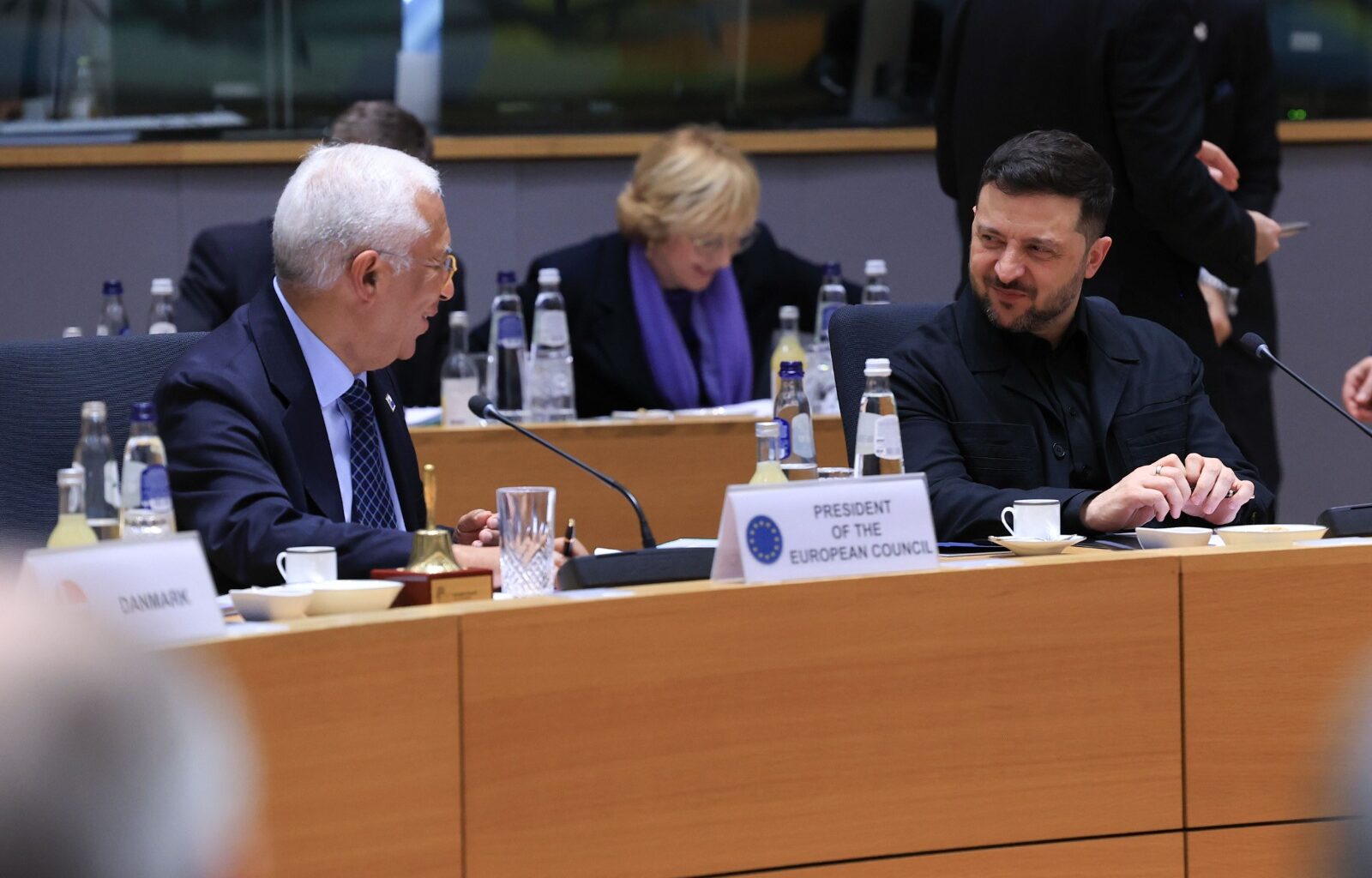
On the occasion of the EUCO, the European Council on Foreign Relations (ECFR) has shared with Decode39 comments from three of its experts – Jana Kobzova, Jim O’Brien and Nicu Popescu – warning about the risks of an imposed peace, the unresolved issue of Russian assets, and Europe’s ability to act as a strategic actor.
As European leaders are meeting (on Thursday and Friday) to discuss Ukraine’s financial needs for the coming years, credible security guarantees and diplomatic efforts to achieve a just and lasting peace. In this context, the European Council on Foreign Relations (ECFR) has shared with Decode39 a set of comments from some of its experts.
What they’re saying:
Jana Kobzova, Senior Policy Fellow and co-director of ECFR’s European Security Programme: Ahead of the summit, Putin counts on Trump’s pressure, Ukraine’s fatigue and European divisions to deliver his dream: a weakened Ukraine, an irrelevant Europe and a divided west.
Ukraine and the Europeans can prove him wrong, but time is short, irrespective of the current round of talks. Because under any scenario, a deal on using the immobilized assets (or other means of financing) is an investment into Ukraine’s and Europe’s own security.
If the guns fall silent, these funds will be crucial for restarting the war-torn economy and addressing the country’s post-conflict challenges. If Putin rejects a deal and grinds on with his invasion, the cash will help underpin Ukraine’s self-defence.
What is at stake is far more than a decision on $140B; it’s about whether the Europeans can shape the security environment on their own continent to their own interests—or not.
Jim O’Brien, Distinguished Visiting Fellow: Ukraine needs a promise this week of enough funding for two years, probably about $140B. That will make a ceasefire more likely because Russia will know that it cannot wait for Ukraine’s collapse. Only Europe can make this promise.
If Europe doesn’t use the immobilized Russian sovereign assets Donald Trump will. The US-Russian plan already puts the Russian assets in play, under US and Russian direction. The only thing in question is whether Europe will be at the table.
Nicu Popescu, Distinguished Policy Fellow and co-director of ECFR’s European Security Programme: There is no democracy, economic development, well-being, social protection or modernization without peace, security and capacity to defend our societies from war.
Calling the next European Council meeting a ‘make-or-break moment’ has become something a platitude. But the next days, weeks and months will likely determine the future of peace on the European continent for decades ahead. The outlook for future peace in Europe has been darkening.
The spectrum of a fake peace imposed on Ukraine is setting the stage for future wars in Europe. The capacity of European states to stay united but also find financial solutions to sustain Ukraine’s defence against military threats is at stake at the next European Council.
Italy’s POV: The ECFR analysis largely echoes the line outlined by Prime Minister Giorgia Meloni in Parliament on the eve of the EUCO. Rome frames Ukraine as a core European security issue, not merely a question of solidarity, and links the outcome of the war directly to Europe’s own stability
As with ECFR’s warnings, Italy argues for sustained support to Kyiv while urging caution on the use of frozen Russian assets, stressing the need for solid legal foundations and awareness of financial and reputational risks.
The common thread is clear: unity, deterrence and credibility will determine Europe’s security posture well beyond the current crisis.
(Photo: X, @eucopresident)