
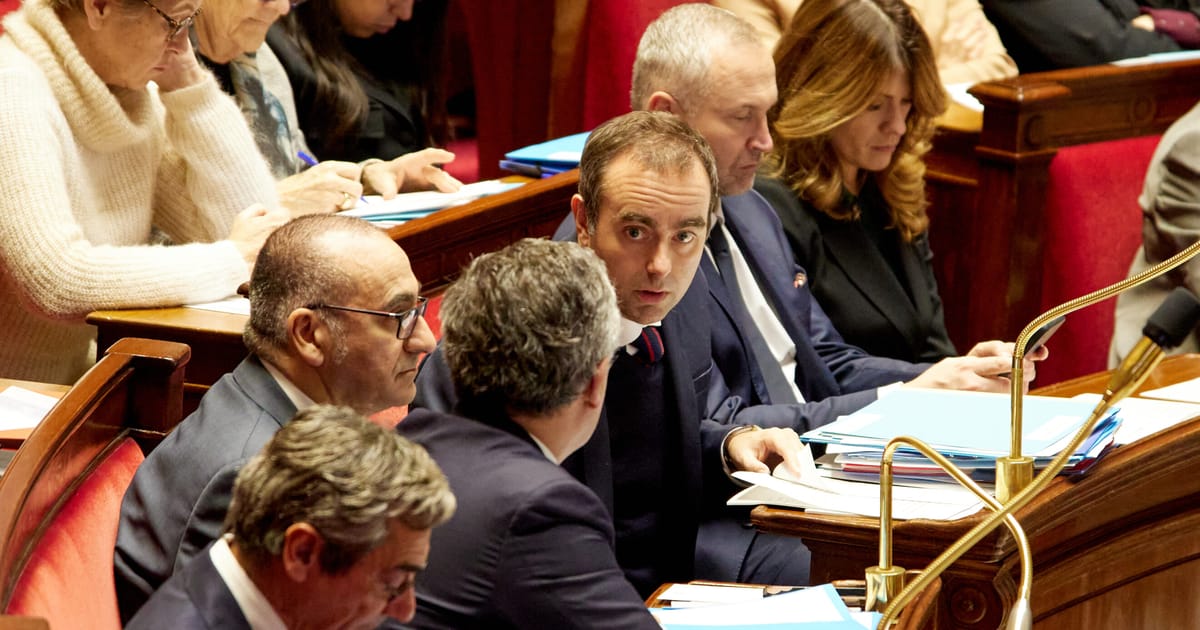
Lecornu had warned in November that failing to pass a budget before the end of the year was a “danger” for the French economy. Markets have been eyeing France with concern out of fear it has become too ungovernable to balance the books.
“I regret the lack of willingness on the part of certain parliamentarians to reach an agreement, as we had unfortunately feared for the past few days,” Lecornu said.
Lawmakers will now move to pass a stopgap measure that rolls over the 2025 budget into next year and then get back to work on finalizing a 2026 budget in the new year. While that temporary solution will prevent a U.S.-style shutdown, it does nothing to bring down a budget deficit that this year is projected to come in at 5.4 percent of gross domestic product.
Lecornu said in October that the 2026 budget deficit must not exceed 5 percent of GDP.
François Villeroy de Galhau, the head of the Bank of France, told Le Figaro in an interview published Friday that the country must keep its deficit below that 5 percent figure to ensure its future fiscal health.
“With a deficit of more than 5 percent, France would clearly be putting itself in danger,” he said. “Every year, around €7 billion more is absorbed by debt interest payments, amounting to €70 billion over ten years that we no longer have available for spending on education, security, or digital technology.”