
NZFS is not currently aware of any related illness.
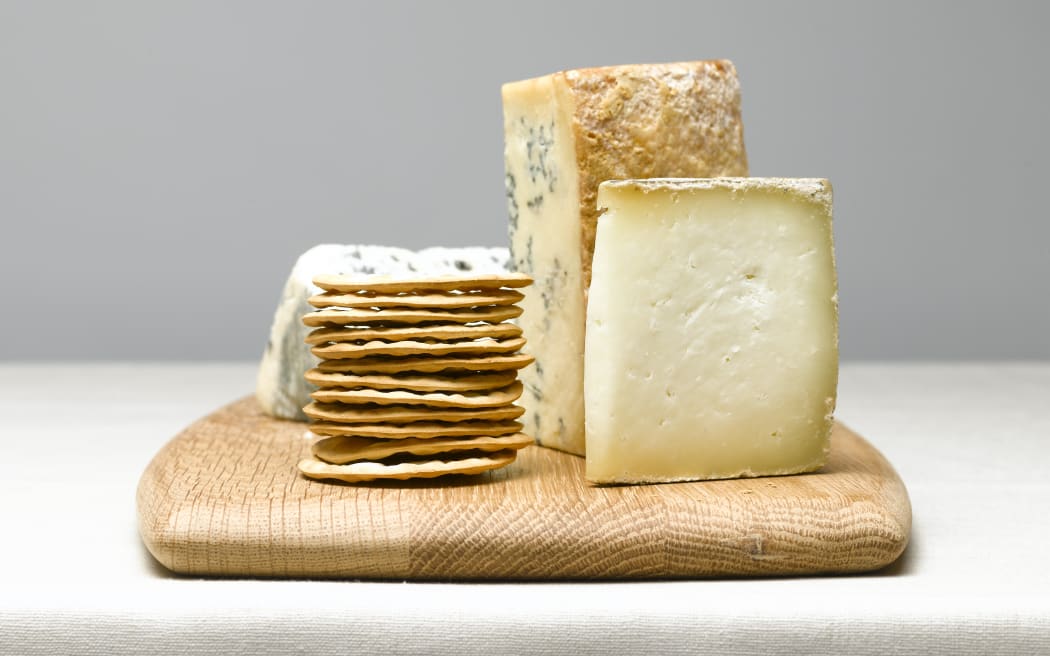
Photo: 123RF
Cheese, previously dumped in a landfill, has been taken and re-sold in the Waikato, New Zealand Food Safety (NZFS) says.
NZFS said the Over The Moon branded cheese was taken from Putaruru Landfill and was reportedly being re-sold on Sunday, despite it being unsafe to eat.
“We have serious concerns about the safety of this product given the company determined it was not suitable for sale and rightly disposed of it.
“Also, eating cheese that has been in a landfill for a period of time and out of the food supply chain carries very obvious food safety risks of contamination,” NZFS deputy-director general Vincent Arbuckle said.
NZFS is warning people to not eat affected cheese if found and to call 0800 00 83 33.
The affected cheeses have the batch numbers 18.11.25, 25.11.25 and 26.11.25. They include:
Camembert
OMG
Black Truffle Brie
Galactic Gold
Halloumi
Gee’s Spread (Black Truffle & Garlic Chilli flavours)
Smoked Chilli Camembert
Goat Camembert
Double Delight
Over the Moon reported the issue to NZFS.
NZFS is not currently aware of any related illness.
‘It’s pretty anti-social’
Retired microbiologist John Brooks was appalled.
“I think it’s pretty anti-social, frankly, the company apparently had already dumped it as being unsuitable for sale. Digging it out of the dump and then selling it… It’s not to be recommended, I would not buy it!”
He said there were numerous reasons why it would be a bad idea to eat cheese that had been dumped in a landfill.
“First of all, there’s the reason it was sent to the landfill. I don’t know why it was dumped, but that’s one issue,” he said.
“The other is, of course, that having been in a landfill it’s been at room temperature. There will be contamination on the outside of the packaging, and if there are brie and camembert… The packaging isn’t particularly secure.
“I think it’s a serious risk to consume.”
He said leaving cheese at room temperature could cause nasty bacteria to grow.
“Anything that’s in there, besides the ordinary starter cultures, can grow. If, for example, they’ve got coliforms in there – E. coli possibly – that will grow, and that can produce illnesses in consumers and even produce toxins,” he said.
Meanwhile, contaminants from the other rubbish could easily transfer to the cheese.
“If it’s on the packaging, as soon as the packaging is opened, whoever opens it and cuts the cheese is going to transfer some of it from the outside to the inside,” he said.
“If it’s something like camembert, which is wrapped in foil or paper, that would be very easy to contaminate even before it’s opened.”
Sign up for Ngā Pitopito Kōrero, a daily newsletter curated by our editors and delivered straight to your inbox every weekday.