
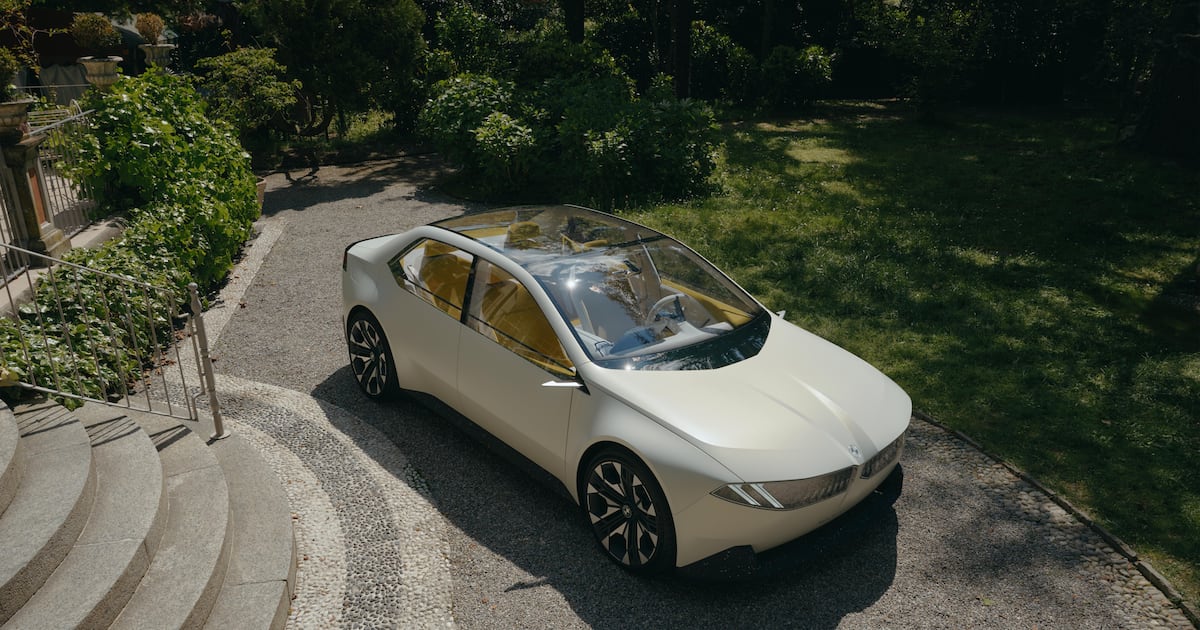
The European Union’s decision, made after hefty lobbying, largely from the German car industry and government, to roll back on its promised ban on new combustion engine car sales from 2035, has thrown a potential banana skin under the electric car revolution.
From 2035, Europe’s carmakers will only have to achieve a 90 per cent reduction in their fleet CO2 figures, rather than 100 per cent.
That leaves the door open for more hybrids, more plug-in hybrids, and, potentially, cars running on supposedly carbon-neutral synthetic or bio-sourced fuels (which represent a whole can of worms in themselves).
Will that 2035 change materially affect the new cars we see arriving on sale in 2026? Probably not, no – after all, new car development programmes run for years at a time, and change direction with the alacrity of an overloaded cargo ship.
However, the EU’s change of heart will affect the background music of new car reveals, taking perhaps some of the emphasis off all-electric models and arguably putting the focus back on hybrids, plug-in hybrids and E-Revs, or extended range electric vehicles, which have big batteries for day-to-day EV driving, but petrol-engine generators on board for longer hauls.
However, some of the most exciting new cars launching in 2026 will still be fully electric. Not least of these will be the new BMW i3, which may take its badge from the oddball-but-adorable electric hatchback launched way back in 2014, but which is a far more serious proposition – it’s an all-electric 3 Series.
We’ve seen the car, but can’t really talk about it yet because of a non-disclosure agreement in place until later in the year. However, we can say that the styling of the “Neue Klasse” electric concept does indeed drop some major hints as to the look of the new i3.
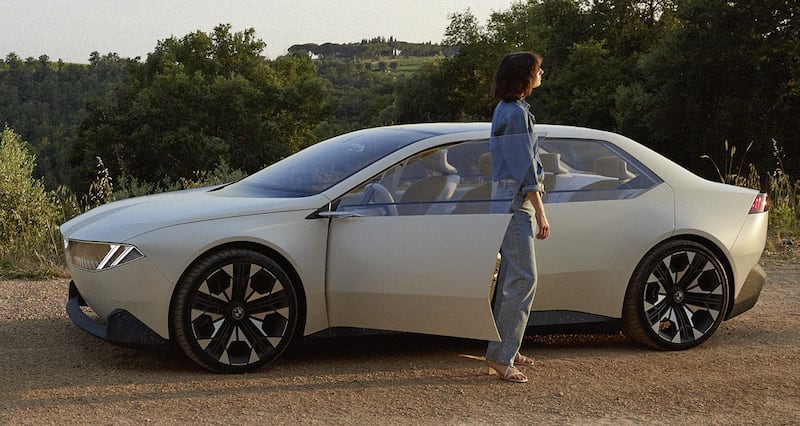 BMW i3 Concept
And the 800km range of the closely related iX3 SUV – which we named as The Irish Times best car of 2025 – is probably just the starting point. Indeed, the i3 may well be one of the first major new cars that’s desirable despite – and not because of – how it’s powered.
We know a bit more about the four new electric models coming from the VW Group in 2026 — the Skoda Epiq, Cupra Raval and Volkswagen ID. Cross all use the same basic electric underpinnings, but all have different “flavours”. The Skoda is practical, the Cupra is sporty, the VW looks like a shrunken Amarok pickup, which is cool, but we doubt it will be quite so rugged in actuality.
However, there’s a fourth, potentially more important model based on the same hardware — the VW ID. Polo.
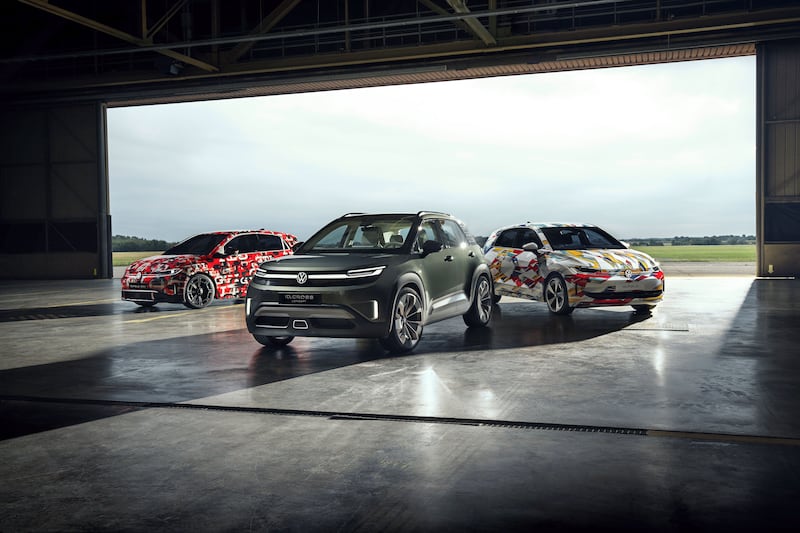 The New VW ID. Polo
The new Polo marks the first coming together of Volkswagen’s electric and combustion model lineups, and it could be something of a groundbreaker. Not only does it look exceptionally smart and subtly desirable – it may lack the gorgeous retro styling of the Renault 5 E-Tech, but it’s very handsome – but it should have a useful 420km range, and crucially, it will bring back proper buttons to VW interiors.
This will actually be something of a battleground in 2026 – legislators and the crash-test experts at Euro Ncap have finally woken up to the stupidity of punishing people for using their mobile phones behind the wheel, but being absolutely fine with touchscreens the size of a telly stuck to the dashboard.
From 2026, the EU will require some physical controls to be fitted as standard, while Ncap will be testing how much those screens cause driver distraction. VW may be getting in ahead of the game here, and it will be interesting to see how many carmakers lose out on a full five-star rating because of their over-reliance on touchscreens.
Speaking of which, there will be lots of interesting new vehicles coming from China in 2026. We’ve already sampled Xpeng’s updated G6 electric SUV (better than decent) and the bigger G9 (luxurious, but doesn’t quite nail the brief).
[ Is Xpeng ready to take on the premium EV players?Opens in new window ]
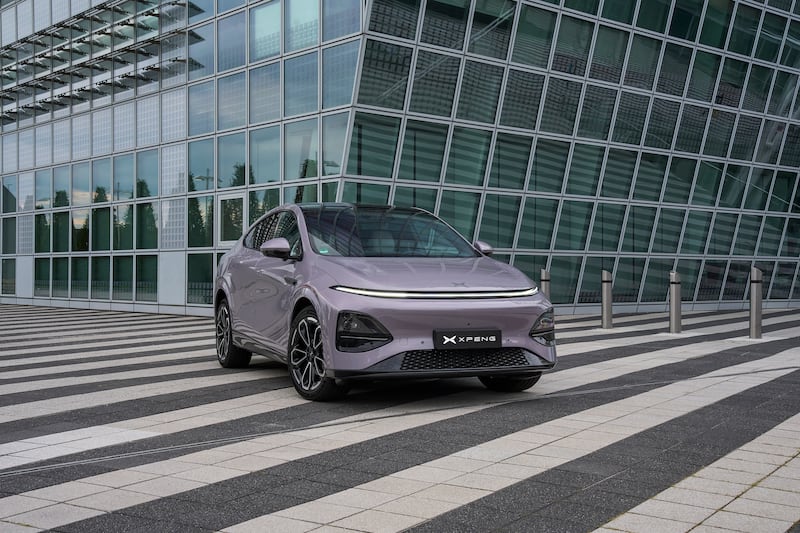 Impressive: the Xpeng G6
Much more interesting than both of those is the new X9, which is dubbed an SUV by Xpeng, but which is absolutely an MPV, a modern-day Renault Espace in its shape. It gets 500hp, a probably 550km range and luxurious seating in the middle row. Hopefully, Xpeng will also launch its dramatic-looking design. The first truly cool Chinese car? Maybe, but don’t hold your breath for it to arrive here.
Xpeng’s Chinese rival, BYD, is actually taking some of the focus off fully-electric power this year (although there’s a chance we’ll see the luxury Denza-badged Porsche Panamera rival in 2026) and will launch plug-in hybrid versions of its new Seal 6 saloon (and, hurrah, a Seal 6 estate) as well as creating a plug-in hybrid version of its Atto 2 crossover, which we’ve already driven in all-electric form. Expect both to sell well, as BYD expands its dealer network, and moves towards mainstream acceptability.
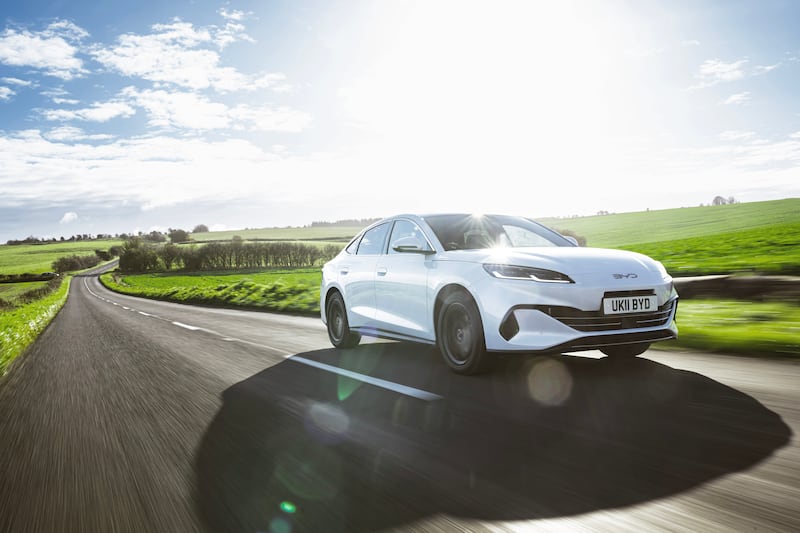 BYD Seal 6
Speaking of which, sadly, don’t expect to see much from Ford. The once-mighty brand has been intent on culling its ranges, so the Focus, once a towering motoring great, wrapped up production in November.
It’s supposed replacement, a compact hybrid SUV using the Bronco badge in some way, probably won’t even be seen before the end of this year, while the much-ballyhooed new Renault-based Ford EVs won’t go on sale till 2028 at the earliest.
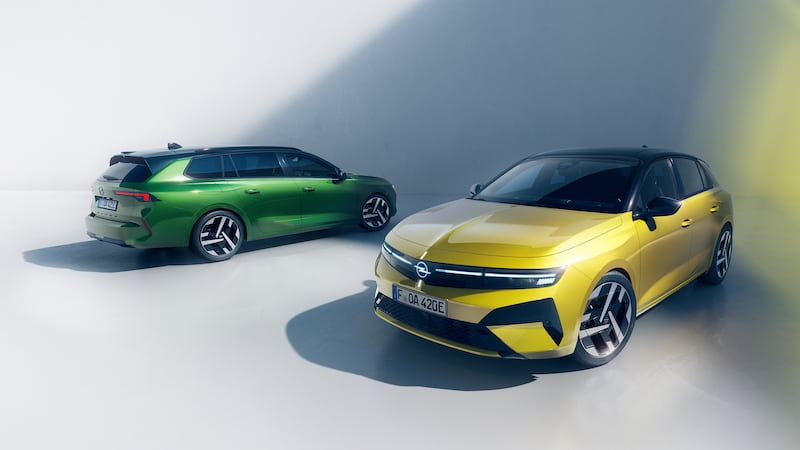 Opel Astra
Perhaps a new-look Opel Astra, lightly updated from the current version, will satiate the desire for a simpler sort of family hatchback, and the improvements to the range of the all-electric version are very welcome (which also goes for the Astra’s cousin, the Peugeot 308).
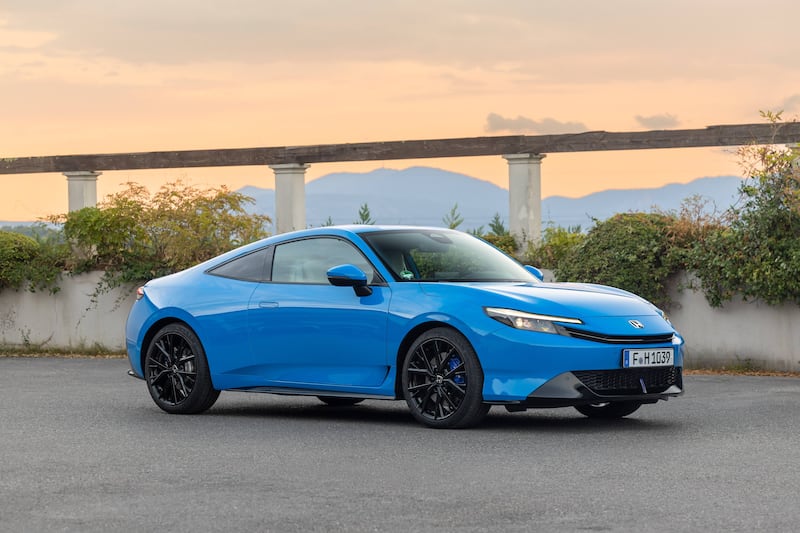 Honda Prelude
 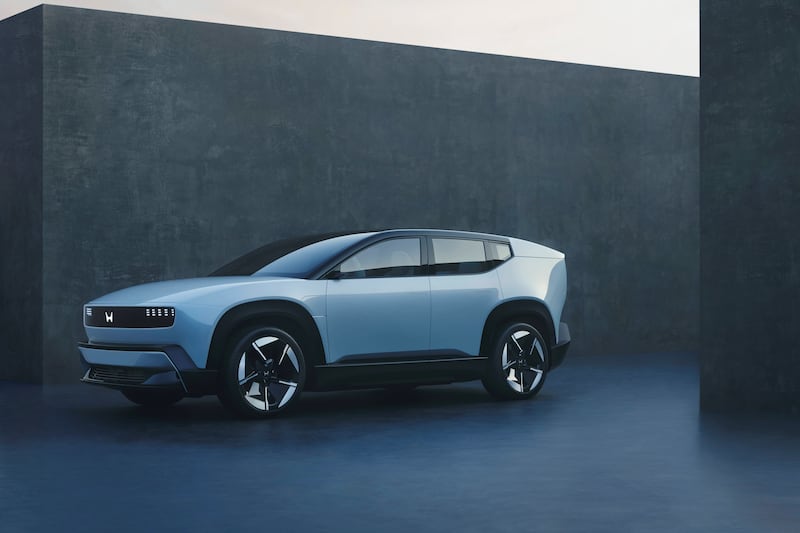 Honda 0 SUV
Actually, speaking of more familiar brands, Honda could be on for a big 2026, with the launch of two diametrically opposed models – a new hybrid-engined Prelude coupe, and the first of its 0-Series electric models, in the shape of a handsome SUV.
Sticking with the letter H, Hyundai – which continues to dominate the Irish new car market with the Tucson – will launch the production version of its compact electric Ioniq 3 hatchback, already seen in concept form.
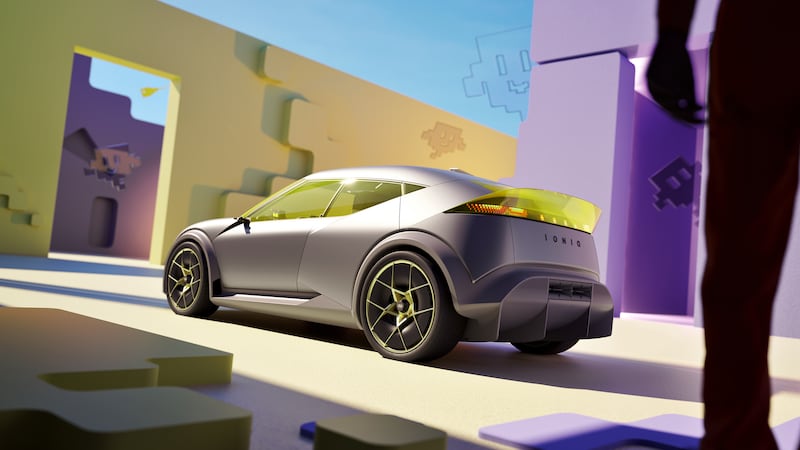 Hyundai Ioniq 3
If it’s as good as Hyundai’s other electric models, this is going to be a very special car, and we just hope that the concept’s see-through perspex rear spoiler is at least available as an option.
Is this the year that Jeep finally breaks through in the Irish market? You’d like to think so, given the smart styling and decent electric performance of the new Compass, but it’s a brand that has often struggled here, and there’s internal competition in the shape of the impressive new Citroen C5 Aircross, which uses all of the same mechanical and electric bits.
[ Best cars to buy in 2026 for downsizers and driving enthusiastsOpens in new window ]
2026 will also see some possible proof of Porsche’s proposed turnaround plan. Hammered by faltering sales in China, and a lack of interest in some markets for its new electric models, Porsche will in 2026 launch its first electric sports cars – replacements for the current Boxster and Cayman – although there’s now some hedging going on with the admission that petrol power will still be offered for the more expensive versions. It’s a big swing for Porsche, and a miss here could seriously undermine the once-so-profitable company’s image.
Toyota looks set for a banner year, with the arrival of the dramatically styled new RAV4 plug-in hybrid, alongside new electric models such as an updated bZ (neé Bz4X), and the impressive new C-HR+.
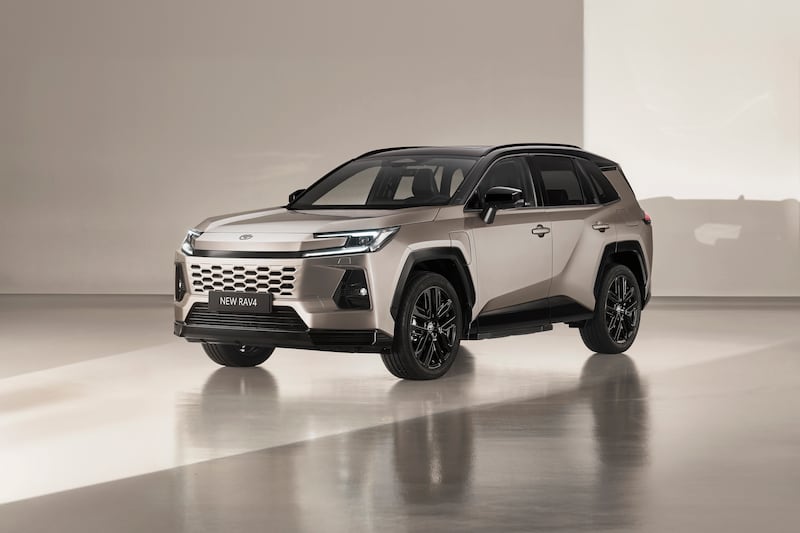 New Toyota Rav4
There are also rumours we’ll see a dramatic new Corolla, in both electric and hybrid forms, before the year is out, but our hearts have already been stolen by the V8-engined GR GT coupe – a racing car for the road, and that’s not just marketing puff.
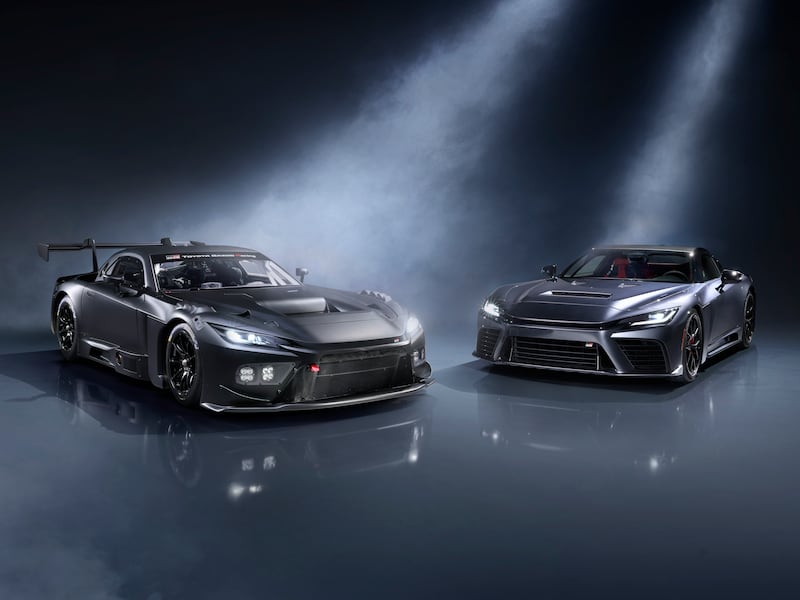 Toyota’s new GR GT
Toyota’s luxury brand, Lexus, will also be putting its sharp-looking new ES saloon on sale, also with fully-electric or hybrid power.
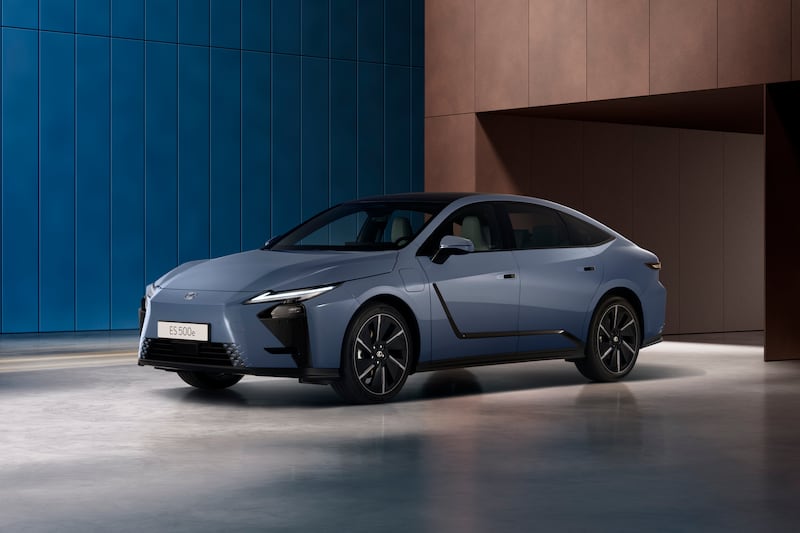 Lexus ES500h
There will be some purely fun stuff too – Alpine’s new electric A390 crossover is brilliant to drive, and we expect much the same from the incoming new electric Peugeot 208 GTI, which arrives only slightly ahead of an all-new 208. MG should be launching its gorgeous coupe version of the EV Cyberster sports car, too.
And then there’s Jaguar. The derision and scorn poured on Jaguar’s decision to temporarily stop sales, relaunch itself as an all-electric brand, and do so with an advertising campaign focused on diversity and inclusion has been astonishing. If everyone who declared they “would never buy this new Jaguar” had actually bought one of the old ones, then this great brand would not have been in crisis re-invention mode in the first place. Plus ça change…
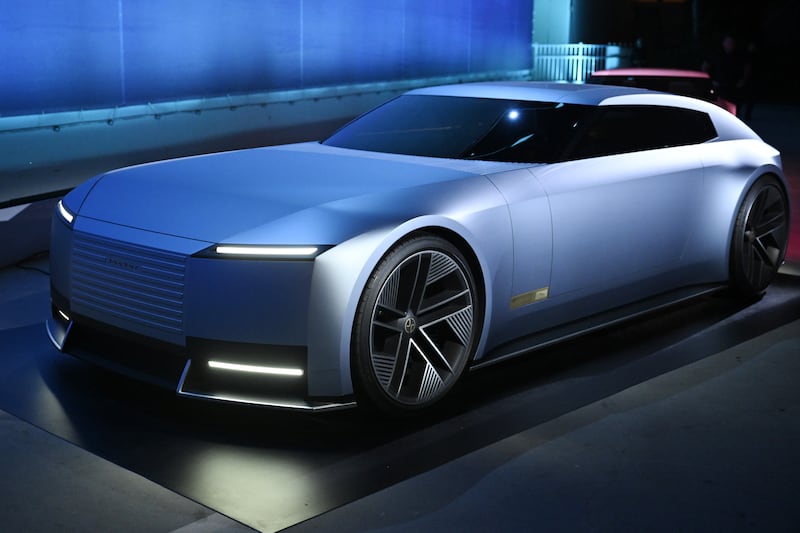 Jaguar Type 00
Jag’s 00 concept car – which would have been controversial in itself, without the attendant marketing – will later this year finally morph into a sleek four-door electric saloon, designed to compete with the likes of Bentley and Ferrari, just as they launch their own more SUV-shaped electric models.
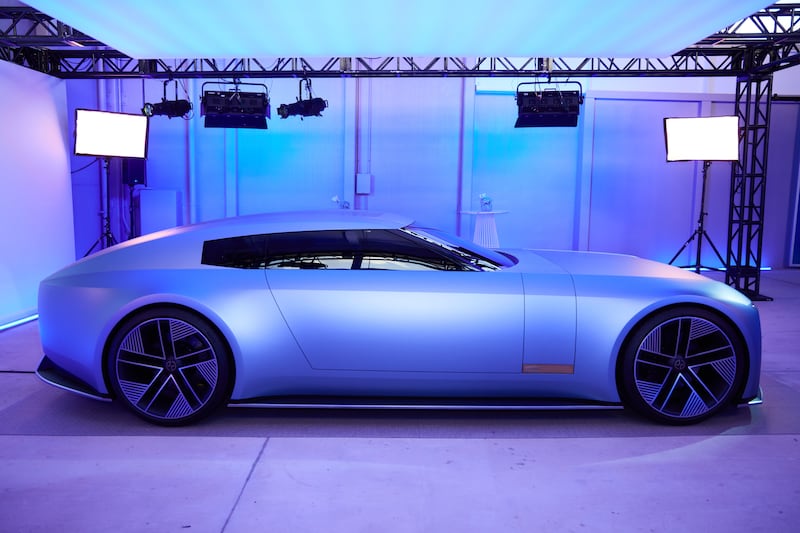 The Jaguar Type 00 on show in the US. Photograph: Romain Maurice/Getty Images
Right now, it’s the Jag that’s looking like the more interesting, more desirable car of that trio, but Jaguar has just waved goodbye to its former creative director, Gerry McGovern, just at the time when the final threads of the long-gestating relaunch are coming together. Will new Jaguar sink or swim? That may be the most thrilling motoring question of 2026.