
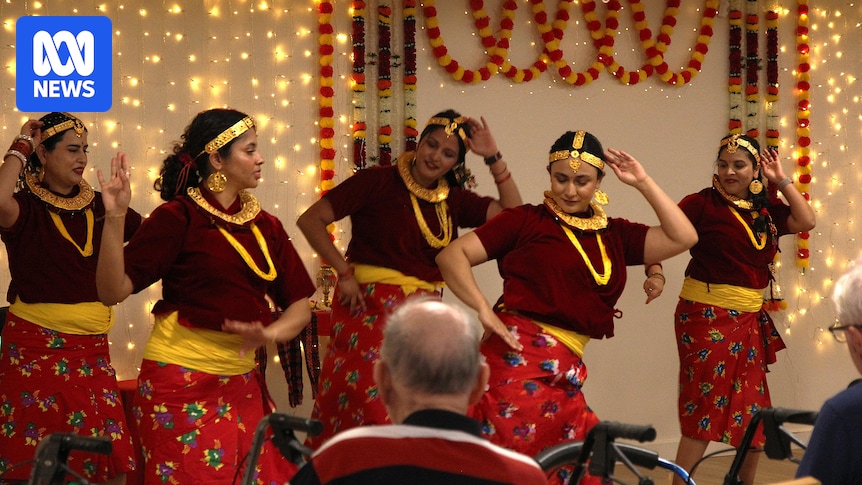
Racism has been described as the “elephant in the room” of the aged care industry, and one regional nursing home is tackling the problem head on.
Before Christmas, the multipurpose hall at Uniting Aged Care in Wollongong is full of residents singing Christmas carols and sharing gifts under wreaths, tinsel and holly.
A month earlier, the same crowd held candles and cheered traditional Indian and Nepalese dances performed by staff underneath paper elephants, strings of lights and happy Diwali signs.
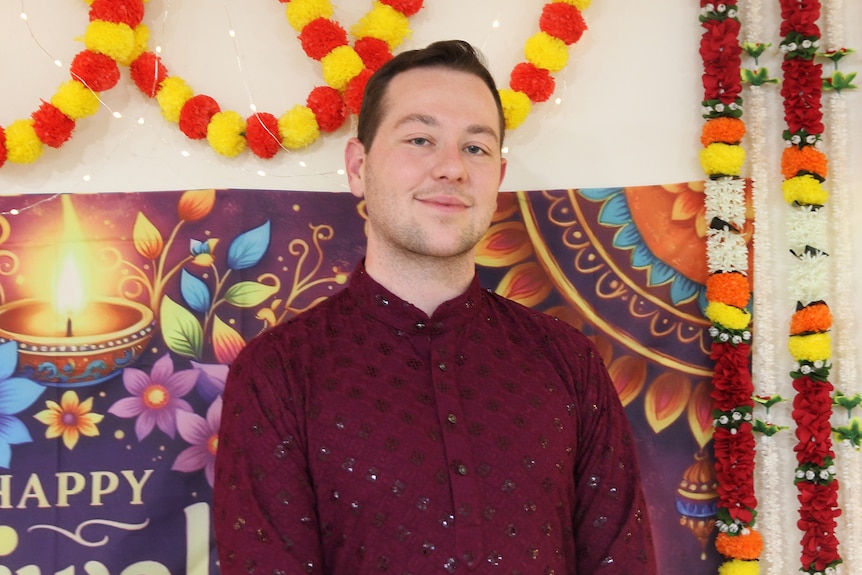
Liam Fawell took action after a staff member reported being racially abused. (ABC Illawarra: Mikayla McGuirk-Scolaro)
The two celebrations are part of a program put in place by facility manager Liam Fawell after he received reports of racism in the facility.
“Last year, one of our registered nurses came forward saying that they were on the receiving end of racial bias and discrimination from some of our residents and family members,” he said.
Almost 40 per cent of the centre’s 150 staff members are culturally diverse, as are almost half its residents.
In consultation with staff, he organised learning circles on cultural diversity and inclusion, improved the process for staff or residents reporting racism and encouraged more conversations about and celebrations of the many cultures within the home.
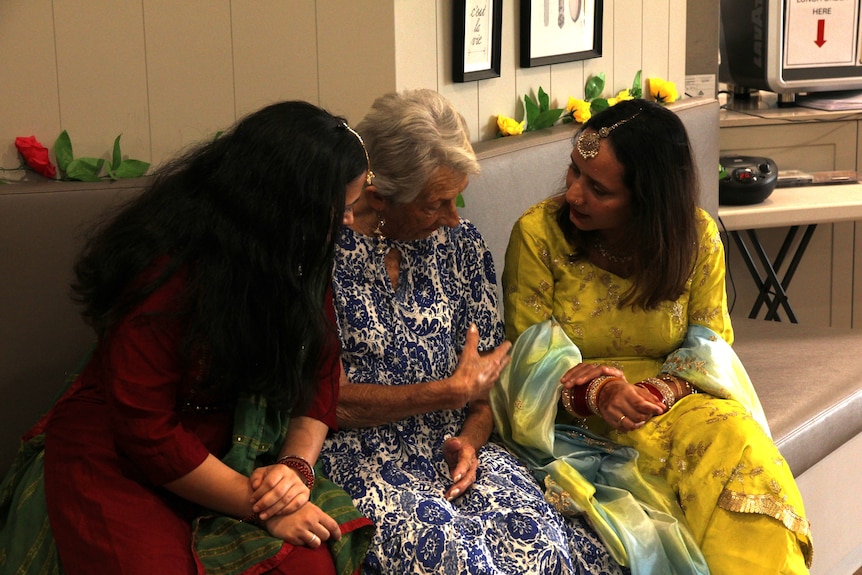
Staff members don traditional clothing for Diwali celebrations. (ABC Illawarra: Mikayla McGuirk-Scolaro)
All this led to the creation of a new Cultural Champions Committee, in which staff, residents and family members collaborate to organise celebrations of major holidays including Holi, a Philippines day and Christmas.
A shift in culture
Rohit Nagpal, who has worked at the centre for three years, said the program had made a noticeable impact.
“It’s a really big change from when I first started,” he said.
“It has really minimised the racism thing because everyone gets together and better understands each other.”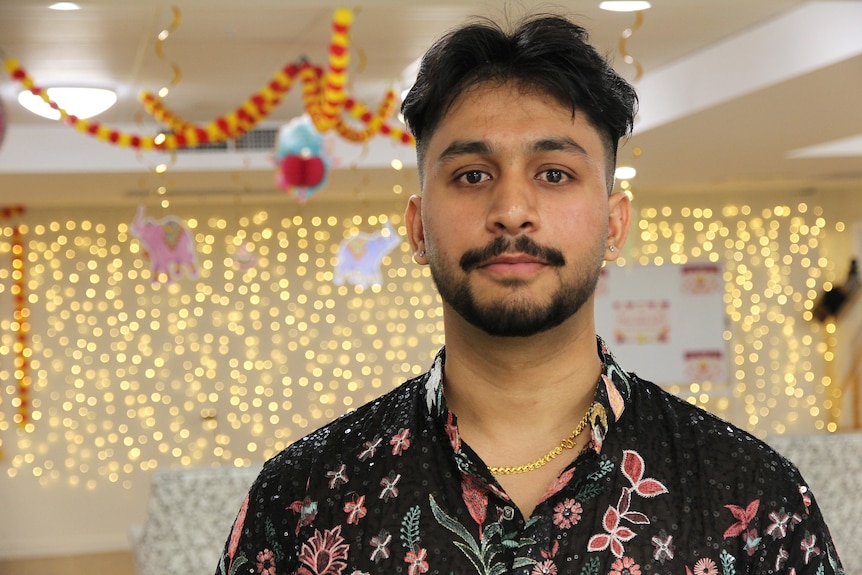
Rohit Nagpal says there has been a change in attitude. (ABC Illawarra: Mikayla McGuirk-Scolaro)
For resident Steven Visser, the centre feels more alive and buoyant since the program started.
“We had a Philippines day one day, which was really good. We’ve had a Netherlands day, a Japan day — all different cultures,” he said.
“Having something like this – you get together and we all act as one.”
Jasvir Kaur, who has worked at the centre for two years, said there had been a shift in the culture.
“No-one is saying anything nowadays to make you feel like you are from a different world, different country. It’s more positive,” she said.
Registered nurse Asmita Pandey said, since the program started, she and other staff members felt more comfortable speaking up about incidents.
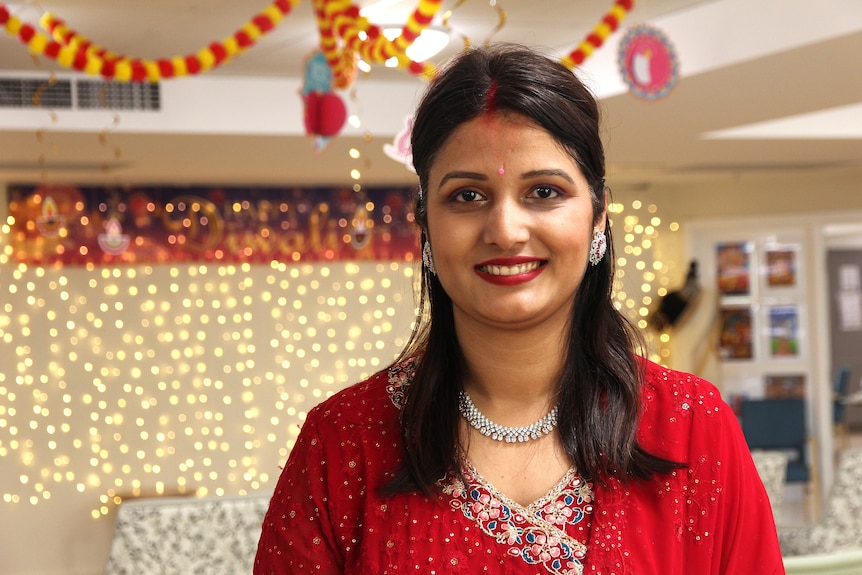
Asmita Pandey says she now feels more comfortable reporting incidents to management. (ABC Illawarra: Mikayla McGuirk-Scolaro)
“Now we can advocate to people like, ‘You’re not doing it right’, and we can get support from management,” she said.
Mr Fawell said reports of residents abusing staff had dropped by 93 per cent and staff turnover had reduced from 10.4 per cent to 3.5 per cent in the 12 months since the program began.
A widespread issue
La Trobe University professor of health communication in society, Bianca Brijnath, said there was a lack of research into racism in aged care, but it was a known and widespread issue.
“It is not confined to one particular state or territory or provider, it is a cross-cutting issue,” Dr Brijnath said.
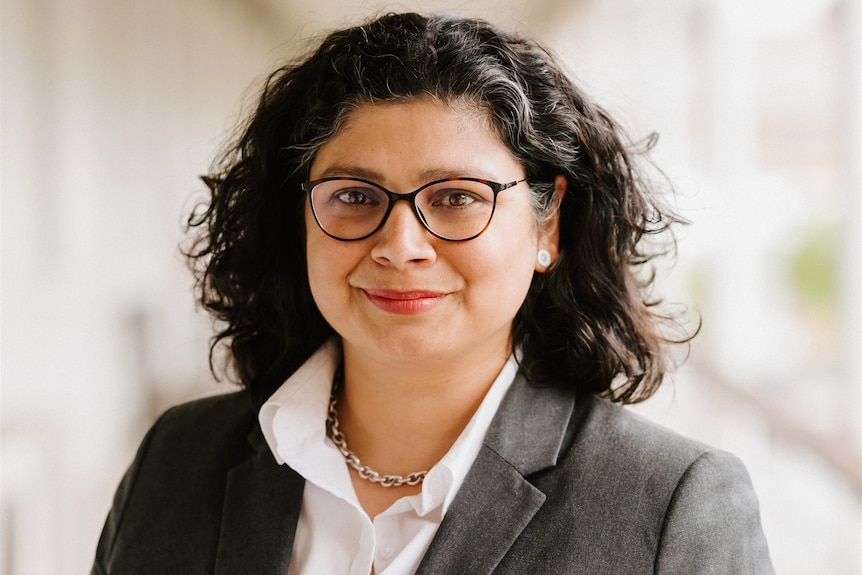
Bianca Brijnath says racism is prevalent in aged care for several reasons. (Supplied: Bianca Brijnath)
In a survey of more than 300 aged care workers by the Multicultural Communities Council of the Illawarra in 2023, 66 per cent reported witnessing an incident of racism in the workplace.
Dr Brijnath said various factors were at play, including illnesses such as dementia, which could lead to out-of-character or uninhibited behaviour.
She also said there could be a cultural disconnect between an increasingly migrant workforce in aged care and the demographic of older Australians.
“Disregarding or pretending that racism doesn’t exist or is a side issue is really missing the fundamental point that our workforce is diverse, our older people are diverse and we must take steps to create respectful relationships that enable good, person-centred care,” she said.
Dr Brijnath said organisations had to foster cross-cultural understanding, but also implement firm processes for dealing with ongoing or escalating racism in the workplace.
“All of that together helps people feel more safe and secure at work and within the care that they’re providing,” she said.
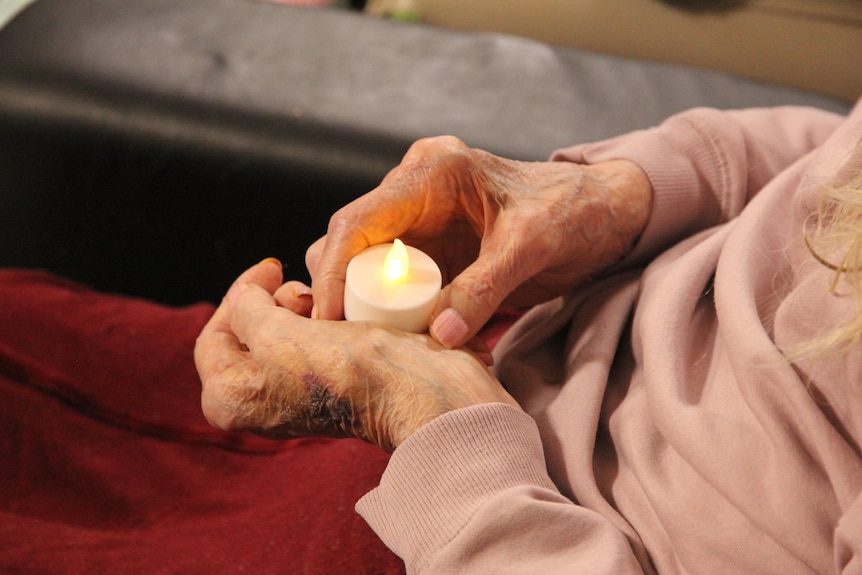
Other providers are being encouraged to implement similar cultural programs to foster respect. (ABC Illawarra: Mikayla McGuirk-Scolaro)
Mr Fawell encouraged other providers to implement their own cultural programs.
“This isn’t a too-hard-basket thing; you can be the change you want to see in your home,” he said.