
Correspondence between two aides to Prime Minister Benjamin Netanyahu – both key suspects in the Qatargate affair involving alleged ties between Prime Minister’s Office staff and the Qatari government – reveals the extent of their efforts to portray Qatar as central to the Gaza cease-fire negotiations while downplaying Egypt’s role, according to a report published Monday by Israeli outlet i24.
Materials revealed in Hebrew on Sunday by Channel 12 analyst Avishai Grinzaig reportedly show how Qatargate suspects Eli Feldstein and Srulik Einhorn – who were reportedly connected by Netanyahu adviser Yonatan Urich as early as April 2024 – fabricated talking points and messages that, according to the report, originated from Qatar.
This effort was described by Einhorn in a June 2, 2024, text message to Feldstein as “manufacturing reality.” The two first made contact on April 20, 2024, according to the report.
The day after they were introduced, Feldstein reportedly sent Einhorn a report by a Kan 11 journalist stating that Israel was concerned about the expected relocation of Hamas’ political leadership from Qatar to Turkey. The Kan report added that senior Israeli officials had claimed there was no other country capable of brokering a deal between Israel and Hamas but Qatar, reflecting the pro-Qatari messaging that Netanyahu’s former aides were allegedly seeking to promote, according to the report.
 Close
Close
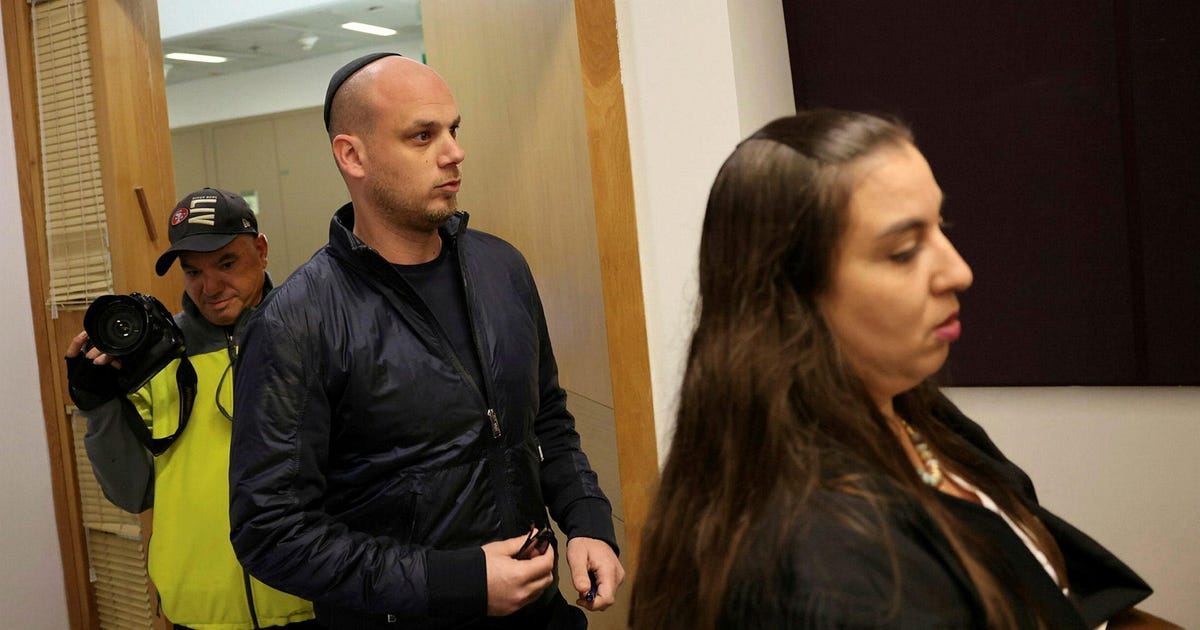
Yonatan Urich and Eli Feldstein Credit: Tomer Appelbaum/Ohad Zwigenberg
Yonatan Urich and Eli Feldstein Credit: Tomer Appelbaum/Ohad Zwigenberg
In a text message sent by Feldstein after the Kan report was published, he wrote that Qatari news outlets began reporting that “Qatar is the only one able to secure a [hostage deal] between Israel and Hamas.”
“This is the headline [in Qatari channels],” Feldstein wrote.
According to the report, Feldstein and Einhorn held a WhatsApp conversation in early May 2024, at the conclusion of which Feldstein drafted a media briefing stating that “Israel is demanding that Egypt do more and pressure Hamas to reach a deal. After years of allowing Hamas to arm itself, Egypt should now compensate Israel.”
In a subsequent message, Feldstein reportedly shared another draft press briefing claiming that Qatar was pressuring Israel not to forget “its role in the negotiations,” and that Israel responded by saying Qatar could “pressure them [Hamas] even more.”
Haaretz Weekly‘Schindler for the animals’: How a Jewish oligarch rescued 5,000 zoo animals from the front lines of the Russia-Ukraine war
play
Haaretz Weekly
‘Schindler for the animals’: How a Jewish oligarch rescued 5,000 zoo animals from the front lines of the Russia-Ukraine war
Volume: 0.5
1X
total– : –time0:00
fast forward15
play
rewind15
Einhorn replied with a revised draft for a media briefing that attacked Egypt far more aggressively. “It needs to be explained that Hamas armed itself, and continues to arm itself, through the tunnels in Rafah [near Gaza’s border with Egypt], not through Qatari money that was used for humanitarian needs.”
“The Mukhabarat [Egypt’s secret police] receives 20 percent from every smuggling through the border, and senior Egyptian military officials have grown wealthy from the smuggling of weapons to Hamas,” the draft media briefing reportedly added, falsely attributing the claims to “a senior Israeli security official familiar with the details of the negotiations,” according to the report.
Several days later, according to the i24 report, Feldstein attempted to pitch another heavily pro-Qatar message to a journalist at Israel Hayom, who rejected the proposal.
Related Articles
Because the text had already been written, Feldstein reportedly sent it to Einhorn, adding, “If you feel like ‘selling’ it to a lazy reporter, just remove the name ‘Israel Hayom.'”
On May 8, Einhorn reportedly drafted another pro-Qatar message ahead of the evening news broadcasts in Israel, again falsely attributed to “senior U.S. officials speaking to their Israeli counterparts,” according to i24. The message stated that Qatar had been making “a major effort” to pressure Hamas to return to the negotiations.
“The Qataris can achieve this,” the draft message reportedly added, saying that “Attacks by Israeli politicians against the Qataris are harming these efforts.”
On May 17, Einhorn once again drafted a pro-Qatar message falsely attributed to senior U.S. officials, according to the i24 report, stating that the Trump administration requested that Qatar lead the postwar effort in Gaza.