
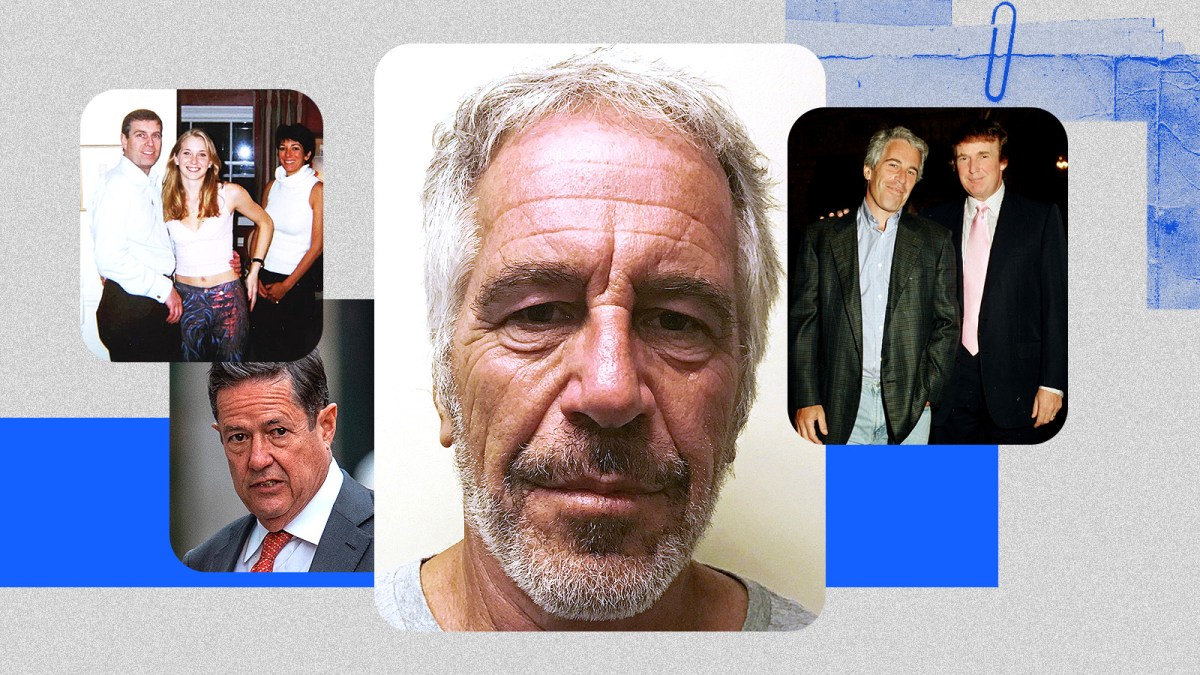
After a summer when his stellar banking career spectacularly crashed and burned in a London courtroom, Jes Staley might have hoped for a quiet Christmas.
Instead, the former chief executive of Barclays has once again endured unwelcome headlines, along with, among others, Donald Trump, Andrew Mountbatten-Windsor and Bill Clinton, over his close friendship with the late paedophile Jeffrey Epstein.
Staley had been trying to overturn a lifetime ban from working in finance over that relationship, but it proved a disaster.
Not only did the judge rule in June that the ban should stand, declaring his evidence “lacked credibility”, but the married father, famously devoted to his two daughters, was forced to admit under questioning that he had had sex with one of Epstein’s staff in the financier’s notorious Manhattan apartment on East 66th Street.
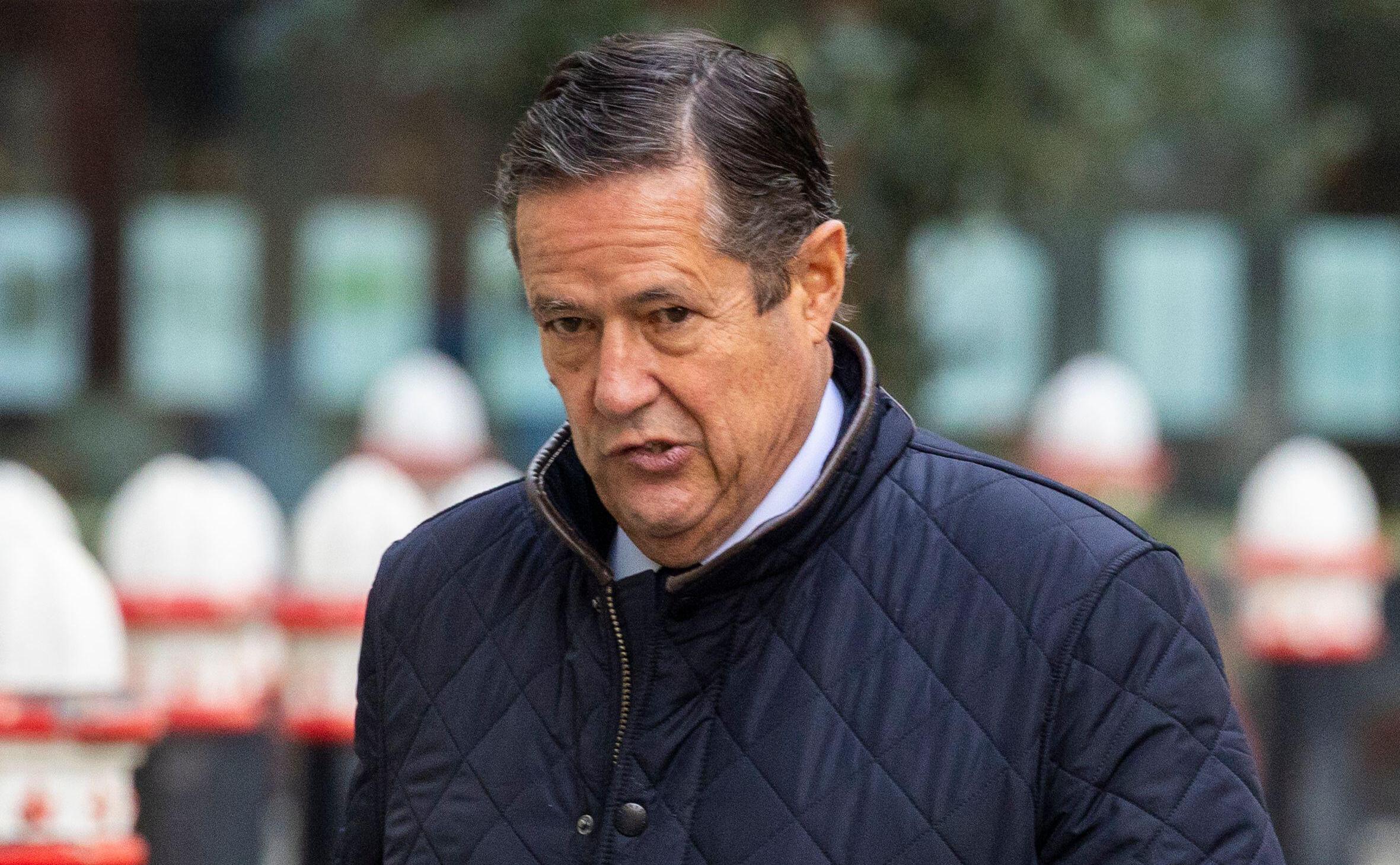
Comprehensively defeated, Staley returned to his native United States to lick his wounds, his career destroyed.
Yet, after years of his attempts to claim he and Epstein had a “close business relationship” and nothing more, last week’s trove of evidence from the US Department of Justice hammered a final nail in his reputation.
• Epstein files will take weeks to be released in full, DoJ says
Epstein, the documents revealed, had felt their friendship was so strong, so trusting, that he gave Staley the honoured position of executor to his will.
“It’s really significant,” a source close to the Barclays case said. “We knew that they were closer than Jes had claimed. But executor to the will? Come on.”
Staley was not the only high-profile financier Epstein had brought so close into his circle, the documents revealed.
The former Harvard University president Lawrence “Larry” Summers, a former US Treasury secretary under President Clinton, had also been named as his executor. Likewise, Jimmy Cayne, the late chief executive of one-time Wall Street giant investment bank Bear Stearns.
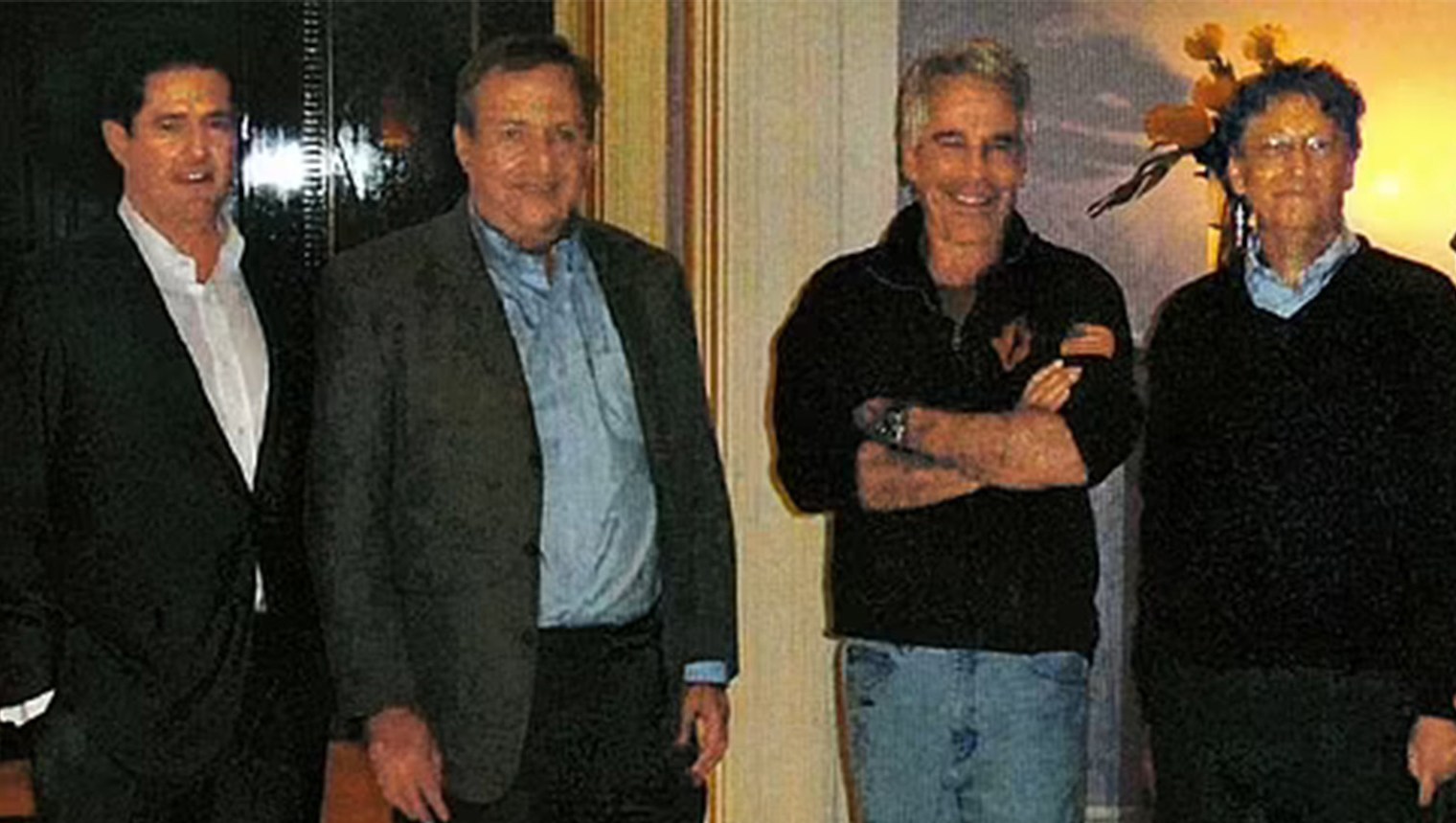
Jes Staley, Larry Summers, Jeffrey Epstein and Bill Gates
REFER TO SOURCE
More recently Kathy Ruemmler, the former top aide to President Obama and now general counsel at Goldman Sachs, was listed to oversee his estate, the documents showed. Staley, Summers and Ruemmler all said they regretted their association with Epstein.
But how did Epstein draw so many of these elite people into his web of influence — those very same people who are seeing their reputations and careers destroyed?
From the former Prince Andrew and Lord Mandelson to Noam Chomsky and tech billionaires such as Bill Gates and LinkedIn’s Reid Hoffman, Epstein assembled a phenomenal and eclectic mix of people.
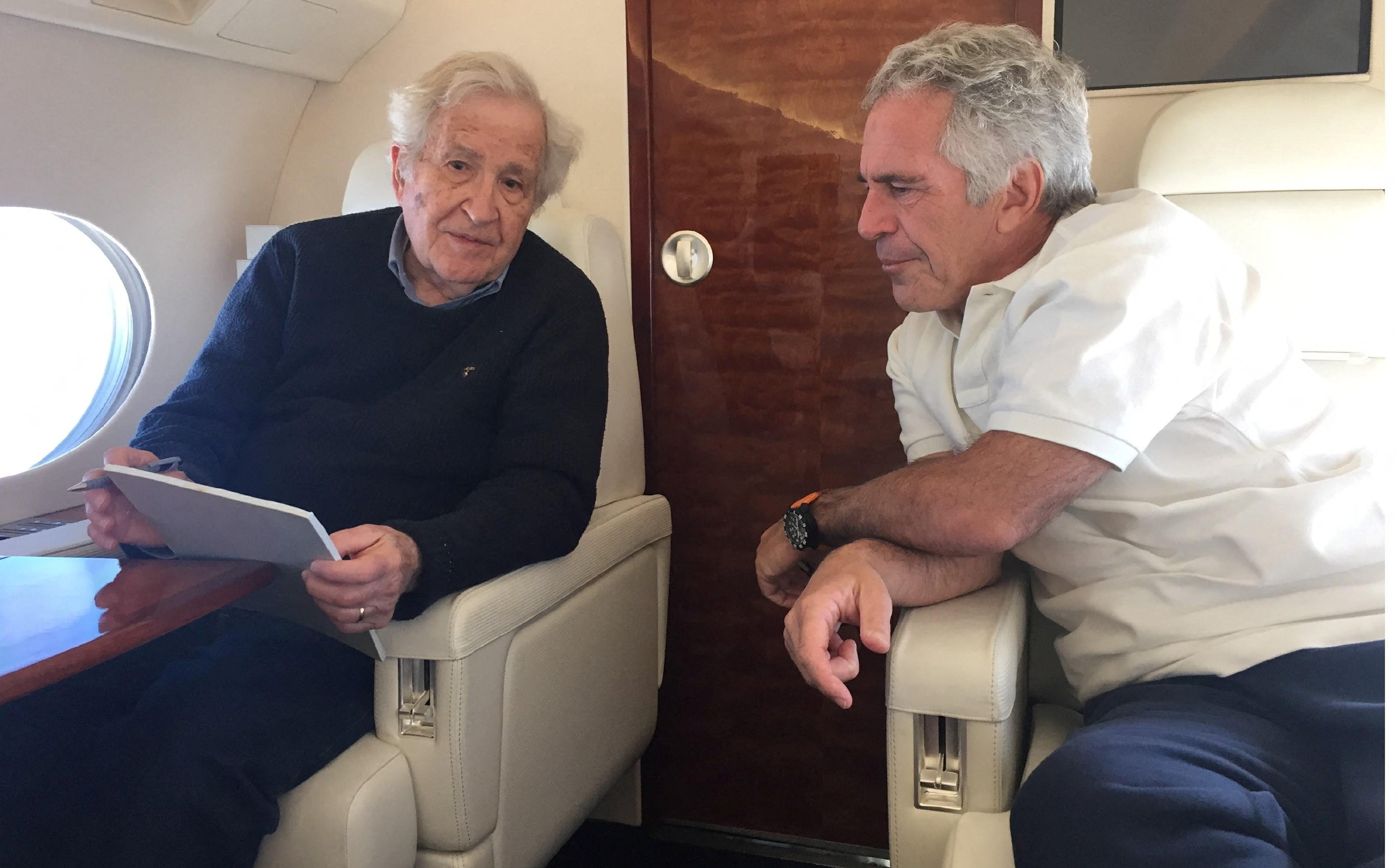
A photo of Chomsky and Epstein was among files released by the US Department of Justice
REUTERS
The suggestion has been that some were lured by the regular presence of young women at his luxury residences in New York, Florida and the Caribbean.
The testimony of the victims certainly backs up that case. The late Virginia Giuffre may be best remembered for claiming she was ordered by Epstein and Ghislaine Maxwell to have sex with Andrew, but she also claimed to have had the same order for others in Epstein’s web, including political heavyweights such as George Mitchell, the US senator known for his critical role in Northern Ireland’s peace process.
• Epstein files highlight Andrew’s ties to sex offender Peter Nygard
Giuffre claimed she was also ordered to have sex with a succession of academics and businessmen. Mitchell has denied ever meeting her, but others invited to Epstein’s luxurious homes have talked of young women always being in attendance.
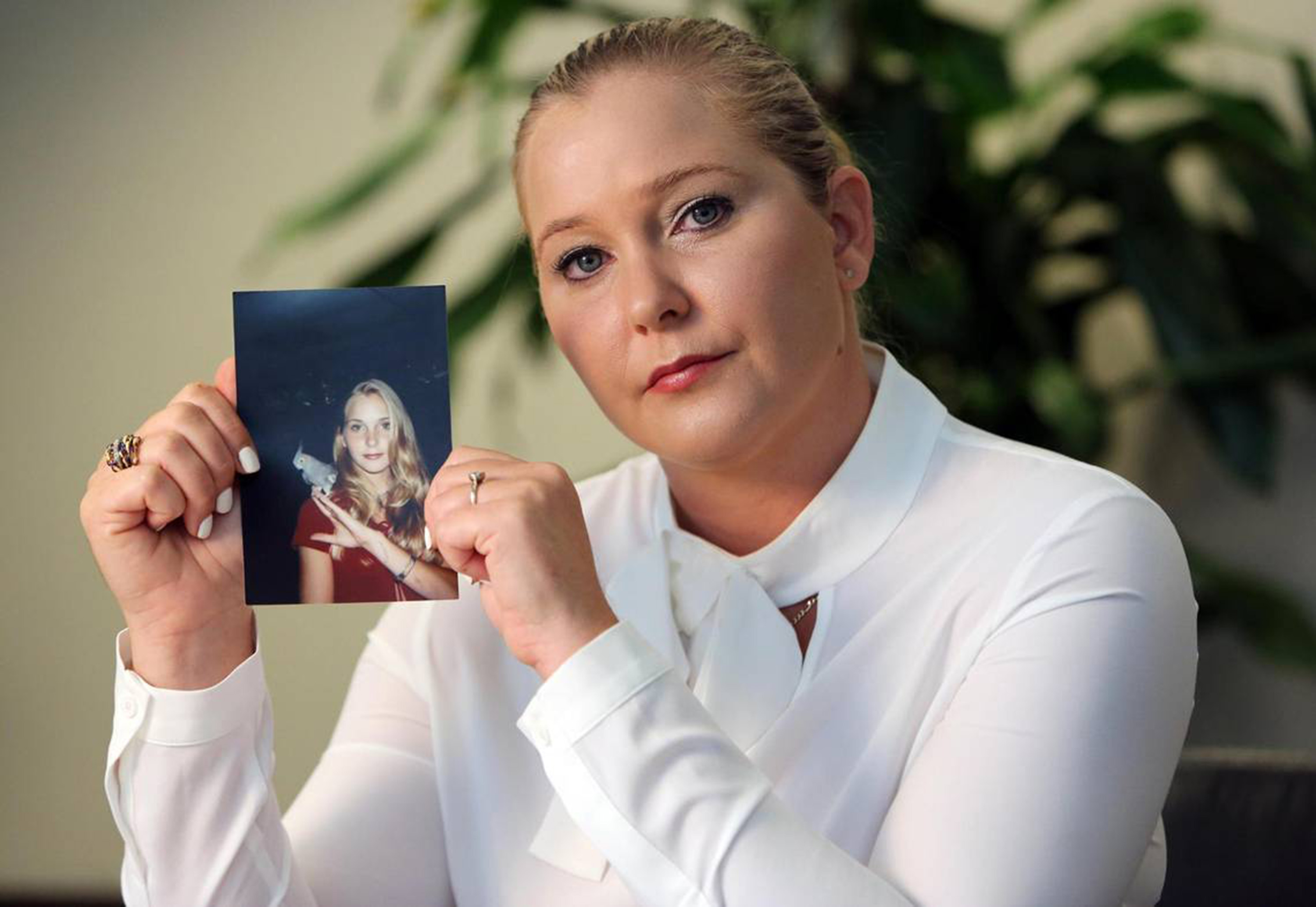
Giuffre holds a picture of herself as a teenager
EMILY MICHOT/MIAMI HERALD/TRIBUNE NEWS SERVICE VIA GETTY IMAGES
Rumours have abounded over the years that he was collecting sexual kompromat on his influential guests, adding fuel to the speculation that his suicide in jail was, in fact, murder.
However, sex was not the main attraction for many in his Epstein’s circle. For them, it was the promise of either material gain — his money, philanthropic donations and business opportunities — or the chance to meet the world’s most fascinating people.
Epstein started building his contacts book of the rich and famous in his twenties, when he was working as a teacher and tutored the son of the Bear Stearns chairman Ace Greenberg. He quickly became friends with the Wall Street executive and was soon working at the bank. Greenberg and the chief executive, Cayne, acted as his mentors.
He quit the bank in 1981 amid claims of an improper loan and allegations of insider trading. After a few apparently lean years, he gradually set himself up as a financial adviser to the super-rich, assiduously nurturing a contacts book already flush with Manhattan connections. The fashion designer Vera Wang’s oil mogul father, CC Wang, and the Gloria Vanderbilt Jeans owner Mohan Murjani were among the early names.
• Messages show Jeffrey Epstein’s depravity: ‘I have a female for him’
Then he landed a role working for a reputed $25,000 a month under contract for Steven Hoffenberg, a financier who would become another charismatic mentor. Hoffenberg was later jailed for running a $450 million Ponzi scheme.
As Hoffenberg’s legal woes spiralled, Epstein moved on in the late 1980s to act as a consultant to the Victoria’s Secret lingerie billionaire, Leslie Wexner. For two decades he worked as a financial troubleshooter, making serious money and collecting even more contacts. Giuffre alleged Wexner was among the men she was ordered to have sex with. Wexner has denied ever meeting her.
By 2000 Epstein was appointed to the board of Rockefeller University in New York, alongside Nancy Kissinger, Brooke Astor and Nobel laureate Joseph Goldstein.
As the years progressed, he became known for throwing lunches and dinners at his enormous Manhattan apartment with famous guests from the arts, business and entertainment. That list was extended to champions of academia when, in the early 1990s, he began donating millions of dollars to academics at Harvard.
Beautiful young women were often in attendance for no apparent reason, guests testified.
• Ghislaine Maxwell sought ‘fun girls’ for ‘Andrew’ in Peru
When Summers was president of the famous seat of learning, he created the Epstein Programme for Mathematical Biology and Evolutionary Dynamics, with an office at the university, Vanity Fair reported in 2003. It had been at Summers’ insistence that Epstein’s name was attached to the scheme, he said.
Harvard made him a visiting fellow, studying psychology, despite him having never completed an undergraduate degree.
Similarly Epstein made donations and encouraged others in his circle, including Gates, to donate to the Massachusetts Institute of Technology (MIT). Unlike Harvard, MIT’s Media Lab continued receiving gifts and visits from him after he was jailed for procuring minors for prostitution in 2008.
One manager there, Signe Swenson, told the New Yorker magazine of her distress that he would turn up at the university with two young female “assistants”, who she said were eastern European models.
Among those Epstein brought into his circle was Alan Dershowitz, a law professor at Harvard who would later go on to represent him. Giuffre alleged she had been ordered to have sex with Dershowitz, but dropped the allegation after he denied it.
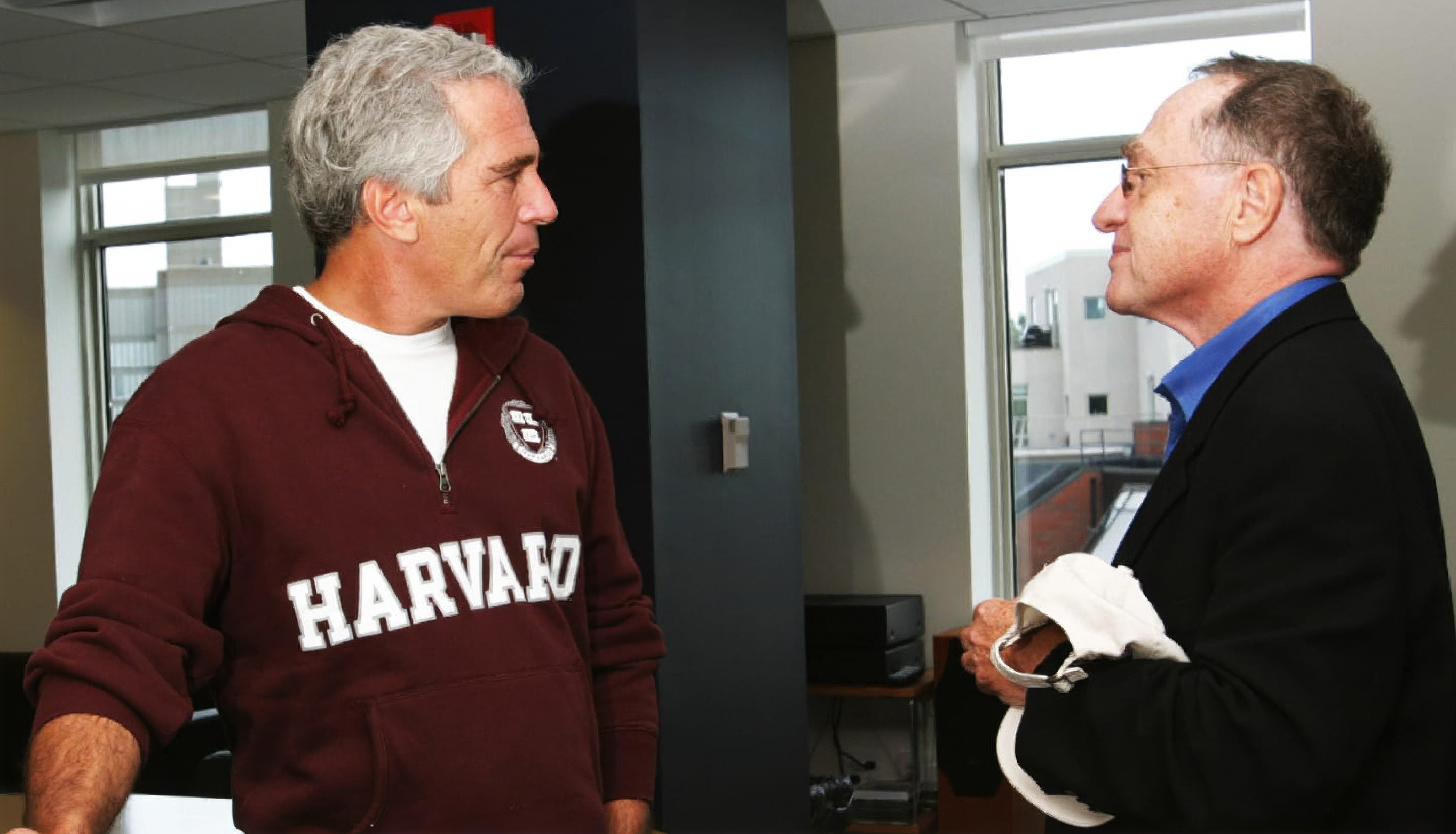
Epstein with Dershowitz
AP
Dershowitz said of Epstein: “He was a charmer and he had very interesting friends. He could introduce you to Noam Chomsky and Woody Allen and [Prince Andrew]. That’s a pretty enticing invitation … I don’t think it was the young women people came for, but the older men.”
He recalled how Epstein would host monthly “academic seminars” at Harvard, where professors would address a handpicked audience. It was a hot ticket. Dershowitz remembered attending one where he was sitting next to Professor George Church, one of the first scientists to sequence the human genome.
Dershowitz added: “[Epstein] would buy himself influence. Contributing money to organisations, or getting Wexner’s foundation to donate.”
A Harvard investigation found that while it accepted no direct gifts from Epstein after his 2008 conviction, he continued introducing other rich people to the university. He played a role in getting the billionaire financier Leon Black and his foundation to donate $7 million to research at the university between 2011 and 2015. Other donors he introduced gave generously too, totalling $2 million to fund Church’s work and $7.5 million to Professor Martin Nowak, who headed the evolutionary dynamics division.
Epstein would use well-placed intermediaries to extend his network further. Dershowitz claimed the businesswoman Lynn Forester de Rothschild had recruited him to the fold, as well as the Clintons and many others in the wealthy set on the moneyed Martha’s Vineyard in Massachusetts. Lady de Rothschild, 71, was the wife of the late British financier Sir Evelyn de Rothschild.
“She tells me he’s this fascinating guy, big donor to Harvard, he wants to meet you,” Dershowitz said. “I said no but she pleaded with me, told me how important he was. She was his social pimp … Then he asked me to introduce him to people as well.”
Maxwell testified that it was Lady de Rothschild who introduced Andrew to Epstein. There is no suggestion of wrongdoing on her part.
• Ghislaine Maxwell sought ‘fun girls’ for ‘Andrew’ in Peru
The paedophile also extended his circle of influence by simply using money. There was talk that Epstein had helped de Rothschild financially after her divorce from the politician Andrew Stein, a claim her spokesman denied as “100 per cent false” to Vanity Fair in 2019.
Dershowitz claimed he never saw any underage women around Epstein. “It was never about women at all. He kept that completely separate. I never saw him with any women under 25. He was never with any young people when with those prominent people.”
Others he would win over by offering a chance to share in his luxurious lifestyle.
While Staley and Epstein did clearly become friends — Staley’s wife and daughters stayed on his private island — Epstein appeared to have been a linchpin in his career.
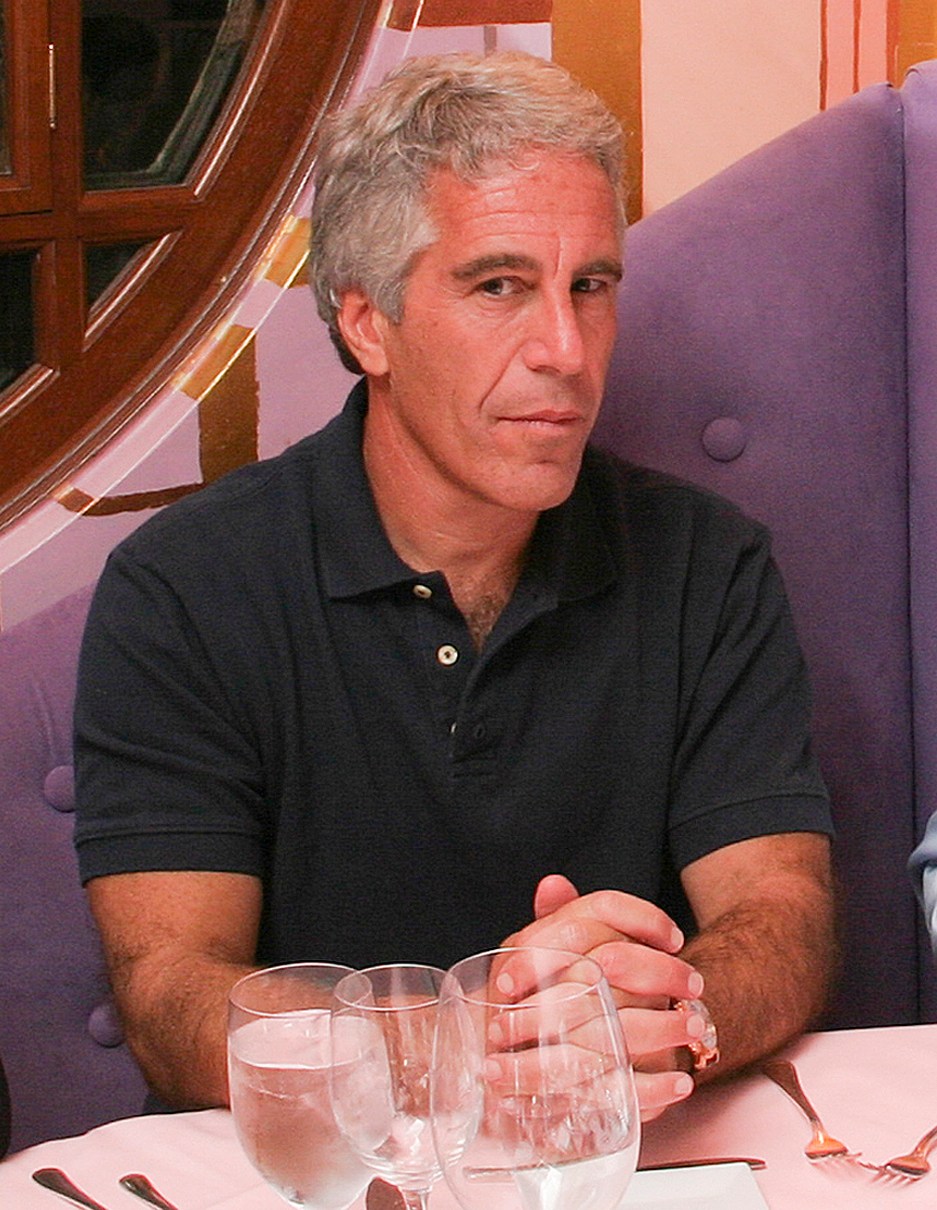
RICK FRIEDMAN/CORBIS VIA GETTY IMAGES
The men first met when Staley became chief executive of JPMorgan’s private banking operation, a job that involved persuading the rich to entrust their money to the bank.
Staley’s then-boss, JPMorgan chief executive Douglas “Sandy” Warner, recommended Staley meet Epstein after being impressed by his wealth and contacts at a dinner at Epstein’s Manhattan townhouse. While he later told Bloomberg he found it odd that there were a parade of young women walking around the property, one of whom tried to rub his shoulders, Warner was impressed at how well-connected Epstein seemed, and figured he could be useful for the bank’s business.
Epstein introduced Staley to his network of extremely rich friends and clients and clearly had deep contacts in the higher echelons of Wall Street. On one occasion, he told Staley he was being lined up to become JPMorgan’s head of investment banking. A few days later, Staley was offered the job.
Epstein helped oil the wheels of Staley’s progress in the role.
In early 2010, Staley had been trying to arrange a deal for his bank to buy a division of Royal Bank of Scotland (RBS) called Sempra, but he needed political support. Epstein helped arrange for him to meet Mandelson, who was then the business secretary, at the Davos conference in January.
Afterwards Epstein emailed to ask him: “Was Petie helpful?” RBS did the deal the next month for $1.7 billion. Staley wrote to Epstein shortly after: “You are a great friend.”
Mandelson says he played no role in the matter, formal or informal, and it was outside his ministerial remit as it was purely a matter for the Treasury.
Epstein introduced Staley to another major deal, taking a stake in the successful hedge fund Highbridge Capital Management, co-founded by the billionaire financier Glenn Dubin, who married one of Epstein’s ex-girlfriends, Eva Andersson-Dubin. Staley later declared it “one of the most important transactions in the financial industry in our generation”.
Giuffre alleged she was forced to have sex with Dubin, which he denied. Staley later described how Epstein had introduced him to “three of the five wealthiest people in the world”.
Staley only got the Barclays job on the second time of trying. When the role first came up, in 2012, Epstein teamed up with another well-connected introducer, a London-based lobbyist named Ian Osborne, to try to win it for Staley.
Naming their plan Project Jes, Osborne claimed at the time he had access to the chancellor, George Osborne (no relation), and the Bank of England governor, Mervyn King. “I’m ready to go in to bat for our friend,” the lobbyist emailed Epstein.
The job went to an internal candidate, Antony Jenkins, but Staley finally got the role when it came up again three years later in 2015.
In the interim, Epstein and Osborne introduced Staley to another influential Wall Streeter, Andrew Feldstein, the wealthy co-founder of New York hedge fund Blue Mountain, according to Bloomberg, citing documents from the Financial Conduct Authority. Within weeks of meeting him, Staley had a job at the firm.
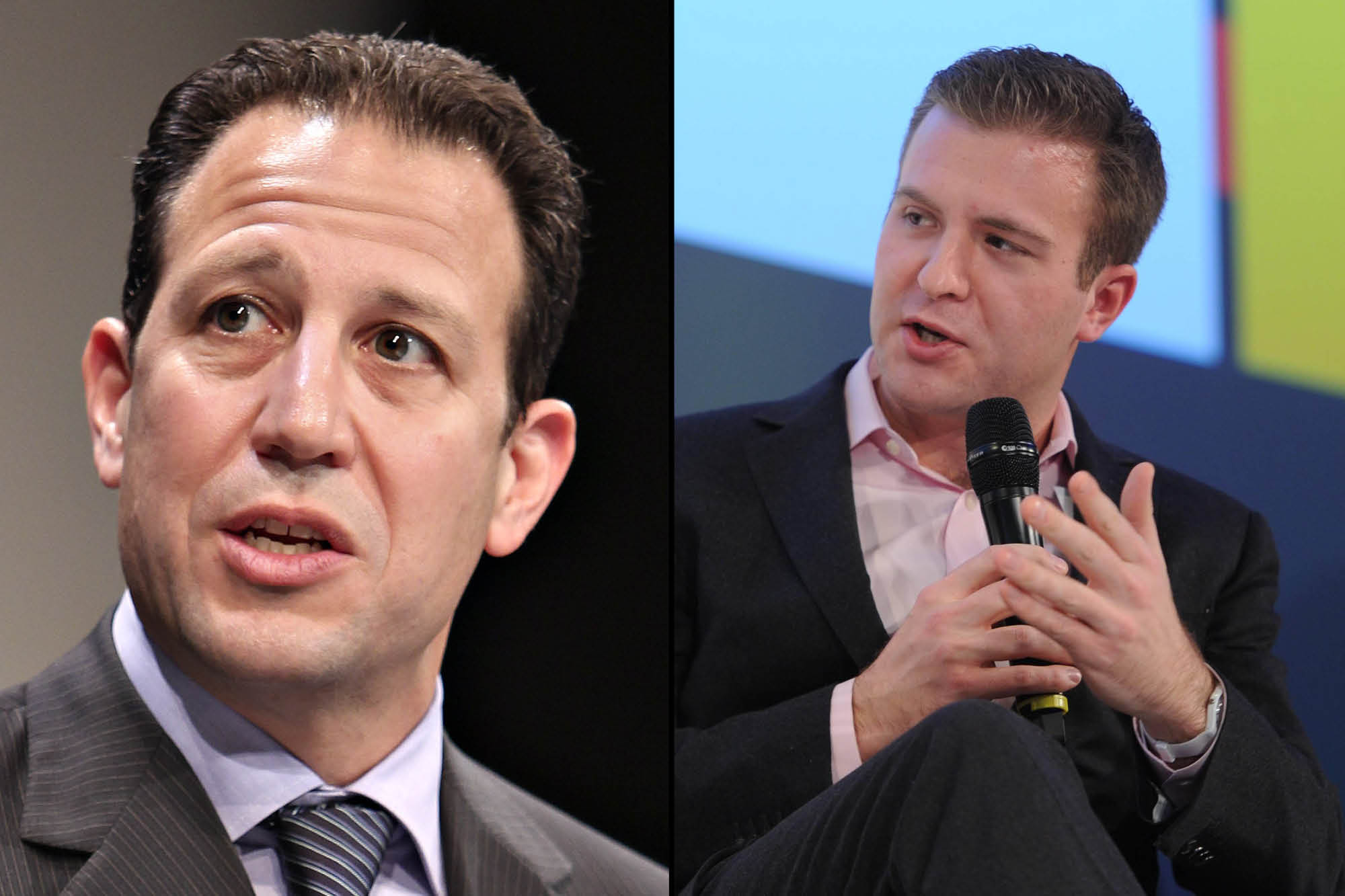
For the sociologist and academic Louise Ashley, an expert in power networks at Queen Mary University of London, Epstein’s web was illustrative of how elites functioned and self perpetuated.
• Epstein files will take weeks to be released in full, DoJ says
“We like to think power works through formal rules and structures within institutions. It actually works through networks certain individuals have,” she said.
“Power is embedded in those social circles, and once you are in them, there’s a tendency for people to protect each other. Epstein had money and the ability to open doors. He was clearly brilliant at it.”
A couple of days after Epstein’s suicide in 2019, I happened to meet Staley in Barclays’ London headquarters. I asked how he felt about his death: “Given what we know now, it’s the best thing that could have happened to him,” Staley said.
Epstein may have been the ruin of Staley’s once successful career, but, like many in his circle, he helped him reach those heights in the first place.
With such an intoxicating network of powerful people at his disposal, it is little wonder that so many preferred to turn a blind eye to what was going on beneath the surface.