
The seizure at Pigeon River ‘definitely stands out,’ a CBSA official said during a review of 2025 enforcement operations
THUNDER BAY — It was perhaps the most unusual seizure at the Pigeon River port of entry this year.
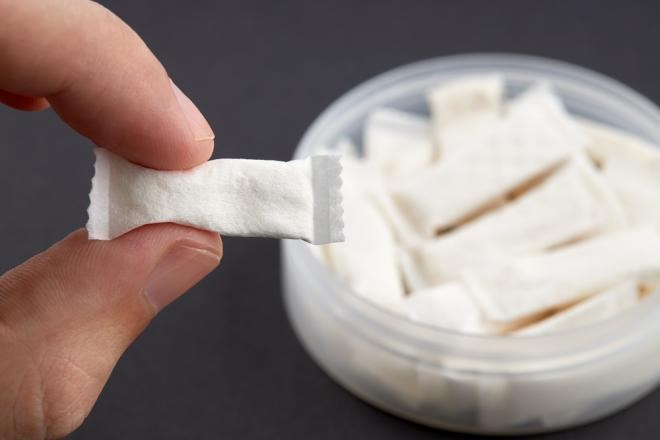
Agents of the Canada Border Services Agency inspected a vehicle entering the country in June and discovered more than 200,000 nicotine pouches.
A CBSA spokesperson revealed the seizure this week during an interview with Newswatch focused on enforcement operations over the past year.
Nicotine pouches are small bags that people typically use in an effort to quit smoking.
They contain powdered nicotine, flavourings and other ingredients, and are placed against the gum under the lip, in lieu of cigarettes.
Nicotine pouches are regulated as natural health products for smoking cessation, require Health Canada authorization, and are not approved for recreational use or for use by nonsmokers and people under 18.
They can be sold only by pharmacists or under pharmacist supervision, and are restricted to mint or menthol flavours only in order to reduce youth appeal and limit recreational uptake.
In the June 5th incident at Pigeon River, CBSA agents found 212,000 pouches being transported in a cube van being driven by a Canadian citizen.
They also seized more than $29,000 in currency and cheques.
The driver was arrested and paid a $10,000 penalty before the investigation was handed over to the RCMP for possible further action.
“That definitely stands out,” said Patrick Deschene, a Sault Ste. Marie-based official with the CBSA’s Northern Ontario region. “We don’t typically see that magnitude of nicotine being smuggled into the country.”
The agency made a total of 175 seizures of various kinds this year at Pigeon River.
Deschene said a trend over the past couple of years has been increasing seizures of cannabis products.
“In all of Canada, cannabis products are legal. In many U.S. states, cannabis products are legal. And there’s a false sense that just because it’s legal on both sides, you can import cannabis into the country. That’s not the case. Importing it or exporting it is still prohibited, and it is subject to penalties and charges depending on the amount that’s being brought in.”
Another notable incident this year at Pigeon River saw an American citizen caught trying to smuggle three handguns along with prohibited magazines.
Deschene also pointed to a case in which two U.S. citizens were caught with over $10,000 in undeclared cash, which was seized together with 25 undeclared bottles of alcohol.
“These are actually smuggling attempts, when someone has loaded handguns or prohibited magazines. These are not allowed in the country. The alcohol, the amounts that are seized, are also people who are typically trying to elude CBSA officers. And when they get caught, there are penalties.”