
Home
»
TRAVEL ALERT
»
Venezuela Tourism Boils as Thousands of Stranded Tourists Stuck in The Country Amid the US Conflict Disrupting Travel Across the Americas and Beyond: All you need to know
Published on
January 3, 2026
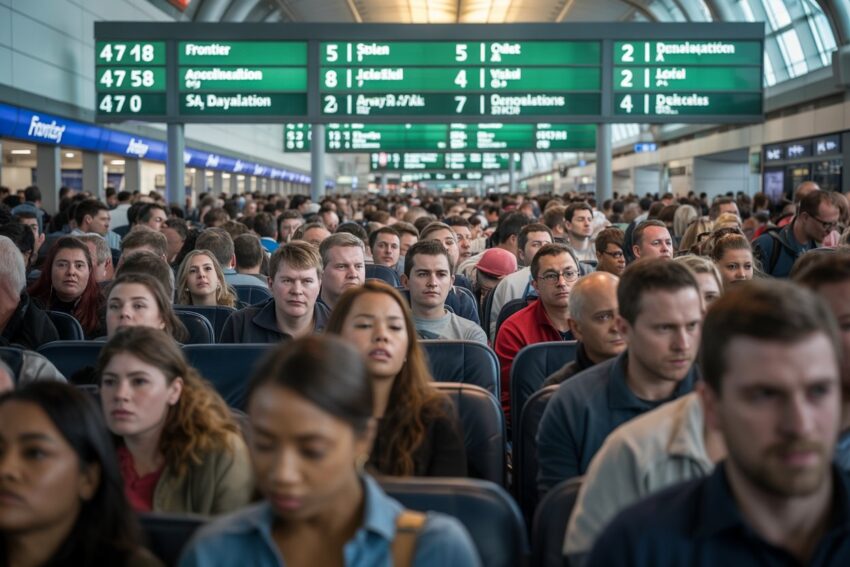
Venezuela’s tourism is in crisis as thousands of tourists are stranded due to the U.S. conflict, disrupting travel across the Americas and beyond. The ongoing situation is causing widespread travel delays and uncertainty, with flight cancellations, airspace restrictions, and heightened security measures trapping visitors in Venezuela. As the conflict escalates, travelers from around the world, including the U.S., Canada, and Europe, are struggling to return home, facing limited flight options and confusion at overwhelmed airports. The ripple effects of this crisis are not only affecting Venezuela but also neighboring countries, as the disruption has led to a bottleneck in regional air travel and maritime routes. With thousands of travelers caught in the middle of a rapidly evolving geopolitical situation, the crisis underscores the vulnerabilities of global tourism amid conflict and instability.
Current Situation and Travel Advisory for U.S. Citizens in Venezuela
As of January 3, 2026, the U.S. State Department has issued a shelter-in-place order for all U.S. citizens in Venezuela following a large-scale military strike by U.S. forces in Caracas. The order comes amid heightened tensions and ongoing military activity in the region. At least five Americans have been detained in the months leading up to this conflict, Additionally, three dual Venezuelan-American nationals and another American with no known ties to Venezuela are among those detained.
While the exact number of U.S. tourists currently stuck in Venezuela is not publicly available, older estimates suggest that approximately 12,000 Americans visit Venezuela annually. Due to the airspace ban imposed by the FAA, many tourists are now trapped as U.S. commercial flights are prohibited from operating in Venezuelan airspace. The U.S. government has issued its highest-level travel warning for Venezuela, advising all citizens not to travel, with the situation compounded by the closure of the U.S. Embassy in Caracas since 2019, which means that consular services are unavailable for emergency assistance or evacuations.
CategoryDetailsConfirmed DetaineesAt least five Americans were detained in the months leading up to January 2026.Dual Nationals DetainedIncludes three dual Venezuelan-American nationals and one other American with no known ties to the country.Tourists Stuck in VenezuelaCurrent number of U.S. tourists ‘stuck’ due to military action and airspace ban is not publicly quantified. Older estimate: 12,000 U.S. tourists annually.Safety LevelThe U.S. government maintains its highest level of warning for Venezuela: Level 4: Do Not Travel.Consular ServicesThe U.S. Embassy in Caracas has been suspended since 2019; no emergency services or evacuations available.Urgent InstructionsCitizens are advised to maintain a “proof of life” protocol with family and leave as soon as it is safe to do so.Airspace BanFAA has prohibited all U.S. commercial aircraft from operating in Venezuelan airspace due to “ongoing military activity”.
Airlines and Airspace Disruptions
In the wake of the strikes, the U.S. Federal Aviation Administration (FAA) issued a full ban on U.S. commercial flights over Venezuelan airspace due to ongoing military activity, heightening the risk for aircraft. As a result, airlines are being forced to reroute flights that typically pass through Venezuelan airspace, causing significant delays and longer travel times. Flights between North America and South America, as well as those to and from the Caribbean, are particularly affected. The situation is exacerbated by the post-Christmas travel surge, with families and tourists returning from their holiday vacations, creating a bottleneck at airports. For instance, airlines flying to destinations such as Panama City, Colombia, and the Caribbean have had to find alternate routes that bypass Venezuelan airspace, which in many cases has added several hours to flight durations and raised operational costs due to longer fuel consumption.
Several major airlines have reported hundreds of canceled flights, with passengers left stranded in transit hubs, especially in Bogotá and Miami, as airports scramble to manage the overflow of travelers. Many travelers who had planned smooth connections after the holidays are now facing delays in both inbound and outbound flights. Domestic airlines operating within Venezuela have also been affected, with routes in and out of Caracas temporarily suspended or re-routed, leaving residents and visitors scrambling for alternative transport.
Airport Operations and Accessibility
The strikes, combined with ongoing military operations in and around Caracas, have left airports across Venezuela grappling with operational challenges. Simón Bolívar International Airport, the country’s busiest airport, has been forced to cancel or delay dozens of flights. These disruptions are particularly problematic for post-Christmas travelers, who were already facing overcrowded conditions at airports due to the return rush after the holiday season. Security checkpoints are severely congested as authorities implement heightened measures in response to the military strikes. With power outages reported at major terminals in Caracas and Maracaibo, operations are further slowed as check-in counters and security systems struggle to function. This is compounded by a lack of reliable communication channels, which has left many passengers unsure about the status of their flights.
The airport’s airport ground services and baggage handling operations have also been affected by the conflict, resulting in long delays at check-in counters and the loss of baggage for several passengers. Travelers who had expected to catch a flight shortly after Christmas to begin their new year’s journey are now facing long queues and uncertain travel schedules. With reports of limited food options and many shops within airports closed due to safety concerns, it is adding to the frustration of the holiday travel crowd.
Cruise Lines and Maritime Travel
Cruise lines operating in the southern Caribbean and nearby waters have been significantly impacted by the escalating U.S.–Venezuela conflict. Although most cruises do not directly visit Venezuelan ports, the proximity of the country’s coastline to popular tourist destinations like Aruba, Curaçao, and Bonaire has prompted many cruise operators to rework their routes. Maritime authorities in the region have heightened security measures around the Caribbean Sea to avoid potential threats from the escalating military activity. For post-Christmas cruise-goers, many of whom had booked their vacations well in advance, this means either delayed departures, route changes, or, in some cases, complete cancellations.
Cruise operators are actively monitoring the situation, adjusting itineraries to bypass Venezuelan waters to avoid the conflict zones. Some companies have issued guidance to passengers on potential itinerary changes and alterations to departure schedules. For tourists who have booked cruises over the holiday period, this has created a major inconvenience, especially for those hoping to enjoy a smooth post-Christmas vacation after a busy holiday season. For many travelers, rerouting is not always a simple fix, with some forced to settle for less desirable itineraries or delayed departures as cruise lines prioritize passenger safety.
Impact on Tourists
The surge in conflict has had a profound effect on foreign tourists, particularly those already in Venezuela for their holidays. Travelers who arrived for Christmas celebrations are now stranded in Caracas and other cities, unable to leave due to canceled flights, border closures, and airport lockdowns. Many tourists had arrived in Venezuela for holiday vacations, but with the escalating conflict, they are now faced with difficult choices as their travel plans fall apart. International tourists are finding it difficult to reach border crossing points into neighboring countries like Colombia and Brazil due to increased security measures and delays at land border checkpoints. Some tourists have even reported being detained at military checkpoints in Caracas as authorities try to maintain control over the situation.
Furthermore, the U.S. Embassy has advised American citizens to shelter in place and avoid all non-essential travel until further notice. With limited access to transportation and uncertain communication channels, many tourists have become isolated and unable to leave the country. While local authorities have implemented emergency measures to handle the situation, the absence of a clear exit strategy has left many in limbo, unsure of when they will be able to safely depart. For tourists who had hoped to enjoy a relaxing post-Christmas getaway, the conflict has thrown a wrench in their plans, leaving them uncertain of their safety and future travel options.
Broader Regional Travel Effects
The ripple effects of the U.S.–Venezuela conflict have not only affected Venezuela but also neighboring countries such as Colombia, Brazil, and the Caribbean islands. As the situation evolves, international travel to and from Latin America remains volatile, with increased travel advisories being issued. Many airlines are being forced to find alternative flight paths, while tourism-dependent countries in the region are bracing for a drop in visitors. The overall economic impact on tourism is expected to be significant, especially in places that rely heavily on visitors from the U.S. and Europe.
With the timing of these disruptions coinciding with the post-Christmas travel season, travelers across the region are facing a complex and evolving situation. Flight delays, cancellations, and border control delays are causing confusion and distress for those traveling back from holiday trips, creating a ripple effect across the global travel network. As the conflict continues, all travelers, whether they are in Venezuela or elsewhere in the region, should remain flexible, stay informed, and keep emergency contacts handy to ensure their safety and navigate the challenges presented by this rapidly evolving crisis.
International Travelers Stranded in Venezuela Amid Conflict
The ongoing escalation of the U.S.–Venezuela conflict has left numerous international travelers stranded in the country, with many unable to return to their home countries due to flight cancellations and closed airspace. The U.S. military’s strikes on key Venezuelan sites have intensified the disruption, affecting travelers from various nations, including the United States, Canada, Mexico, United Kingdom, Japan, and Schengen Area countries. Those who had arrived during the post-Christmas travel rush, whether for leisure or business, are now facing significant challenges as their departure plans are indefinitely delayed.
Venezuelan airports, particularly Caracas’s Simón Bolívar International Airport, are overwhelmed with stranded travelers, including citizens from countries like Japan, members of the Schengen Zone, and the U.S. Many are facing long waits at crowded terminals, with power outages and security concerns further complicating the situation. While travelers from the United States and Canada are seeking alternate routes through neighboring countries such as Colombia and Brazil, visitors from Japan and European Schengen countries are similarly struggling with rerouted flights and limited options for getting out of Venezuela. For travelers from Schengen countries, who often rely on seamless intra-European connections, the disruption has caused further stress, with few immediate solutions.
As the conflict unfolds, governments across the globe, including those of the United States, Canada, Mexico, Japan, and European Schengen nations, have issued urgent travel advisories, urging their citizens to shelter in place while working on evacuation plans. Despite these efforts, the situation remains fluid and uncertain, with many international travelers left in limbo, unable to find a quick and safe path back to their home countries. The ongoing crisis highlights the challenges that international tourists face during times of heightened geopolitical tension.
Venezuela’s tourism is in crisis as thousands of tourists are stranded due to the U.S. conflict, disrupting travel across the Americas and beyond. The ongoing situation is causing widespread travel delays and uncertainty.
Conclusion
Venezuela’s tourism is facing a severe crisis as thousands of stranded tourists remain stuck in the country amid the ongoing U.S. conflict, disrupting travel across the Americas and beyond. This escalating situation has caused massive delays, with travelers unable to return home due to airspace restrictions, canceled flights, and heightened security measures. The ripple effect of this crisis is felt not only in Venezuela but across the region, impacting global travel patterns and creating uncertainty for both tourists and the broader tourism industry. As the conflict continues, it underscores the vulnerability of tourism to geopolitical tensions and highlights the urgent need for international cooperation and solutions to ensure the safety and mobility of travelers.
