

Listen to this article
Estimated 3 minutes
The audio version of this article is generated by AI-based technology. Mispronunciations can occur. We are working with our partners to continually review and improve the results.
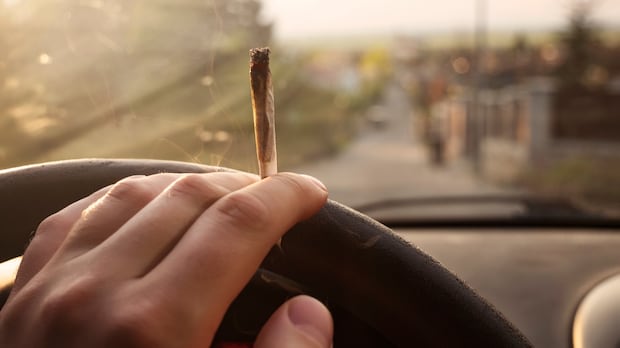
Winnipeg police are deploying more officers in the coming weeks to look for drivers who might be under the influence of cannabis and other drugs in an effort to crack down on impaired driving.
“We want to start the year off right. We want to bring attention to this issue and hopefully prevent tragedies from happening on our roadways,” Const. Alex Peterson told reporters at a news conference on Thursday.
Police are partnering with Manitoba Public Insurance for the annual drug-impaired-driving enforcement campaign will run until March 1.
Officers with special training will be assigned to do random traffic stops on drivers acting suspiciously, including in and around areas where there are cannabis stores.
Taking curves poorly, swerving in traffic and aggressive driving are some of the signs that might raise reasonable suspicion and prompt an officer to stop a vehicle, Peterson said.
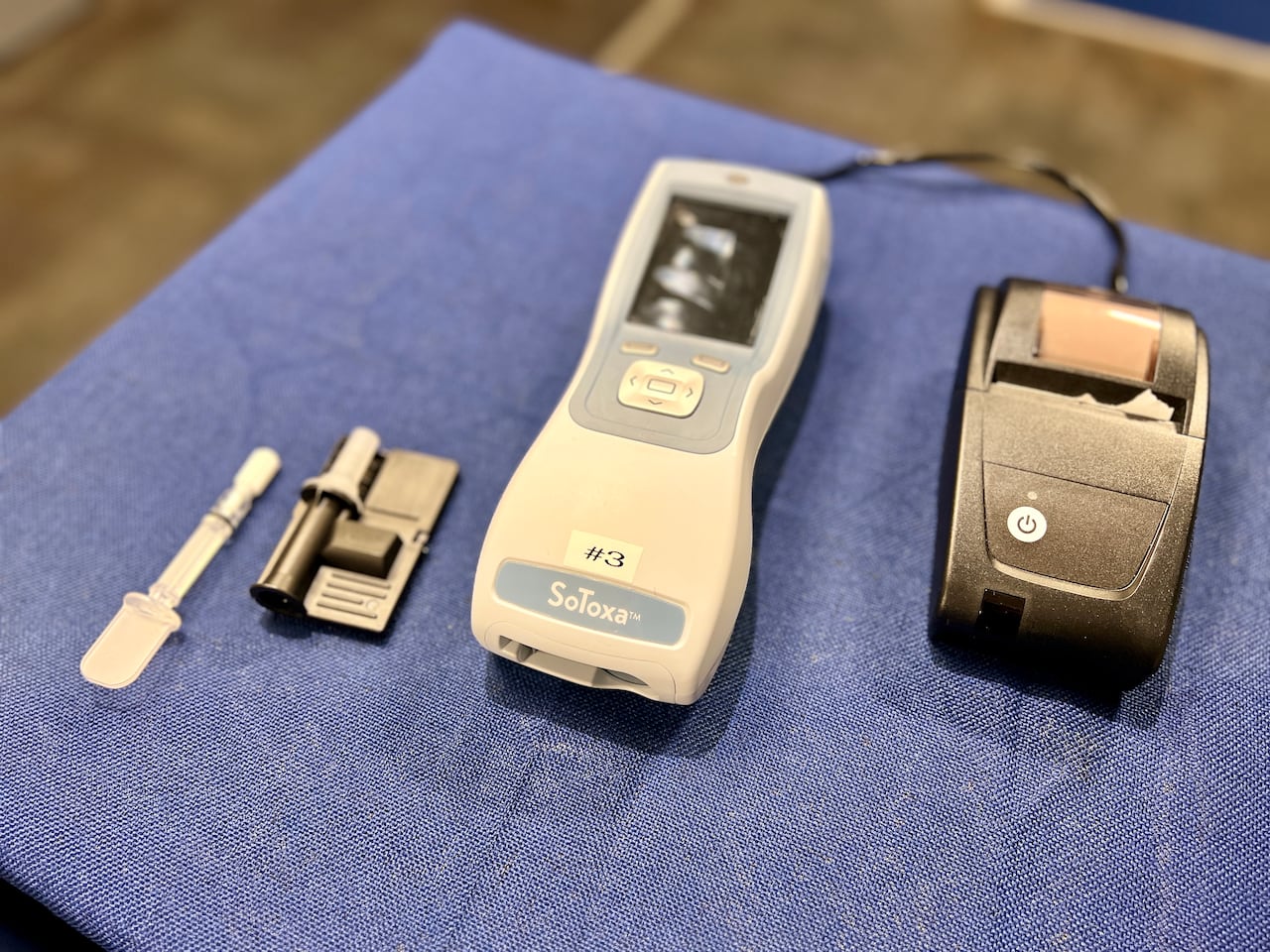 Winnipeg police will use two screening devices to test for cannabis use as part of an annual campaign to crack down on impaired driving. (Travis Golby/CBC)
Traffic offences like not halting at a stop sign or driving too slow might also give officers a reason to pull a car over.
The smell of cannabis or physical signs like bloodshot eyes and slurred speech could then lead officers to ask drivers for a saliva sample.
Police will use two screening devices that are approved to detect THC (tetrahydrocannabinol, the chemical in cannabis that gets people high) and one for testing for cocaine.
‘We find them everywhere’
Police wouldn’t say how many more officers will be deployed or where in the city they will be stationed, but Peterson said the approach is not changing from past years.
Last year, police did 302 traffic stops during the campaign, and 97 drivers tested positive for cannabis consumption.
That number is up from the 64 drivers who tested positive during 243 traffic stops in 2024.
“We find them everywhere, within every age group and all pockets of the city,” Peterson said.
Alcohol continues to be the leading cause of impaired driving, but cannabis was involved in about 20 per cent of impaired driving incidents last year.
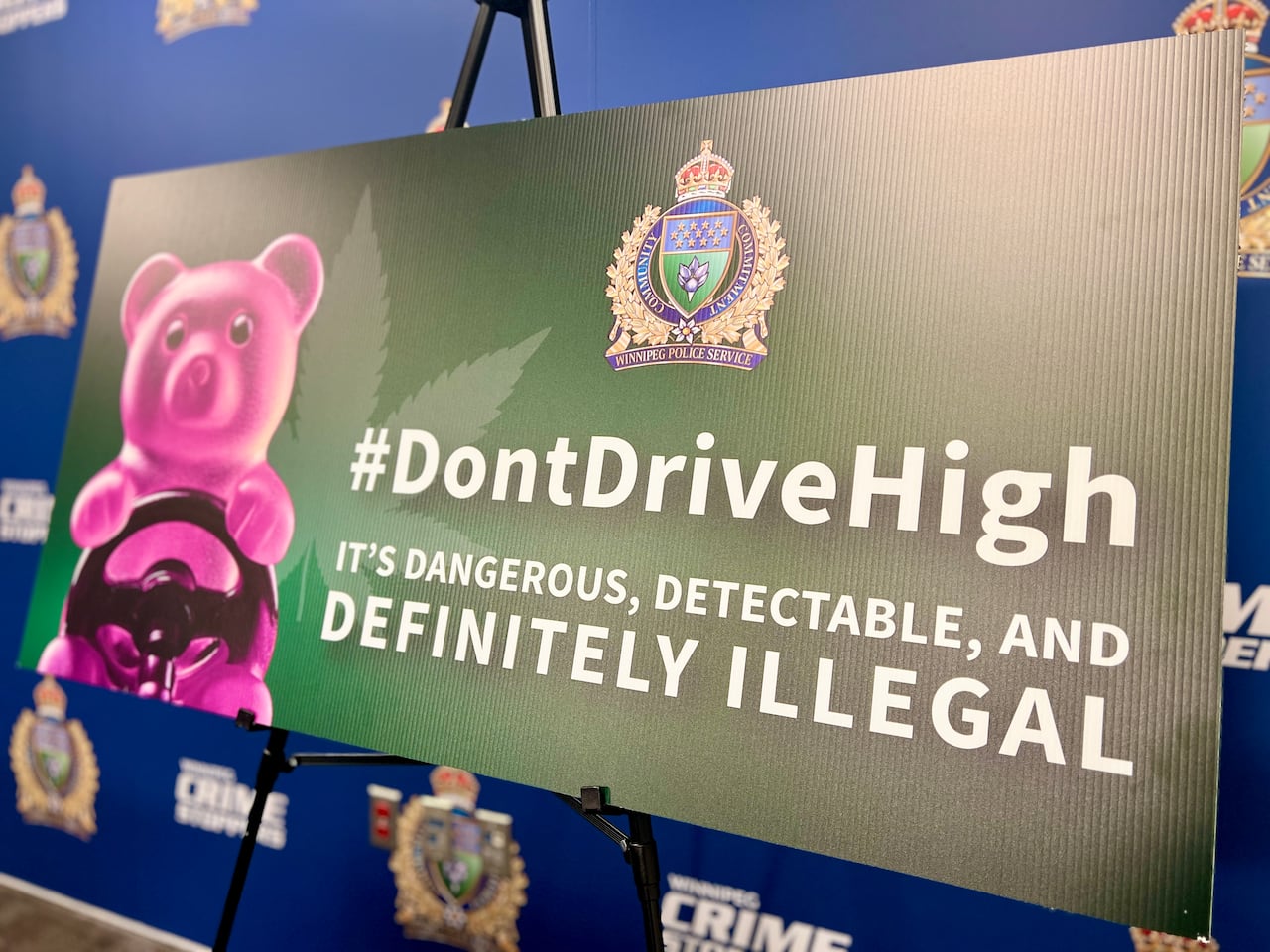 The drug-impaired-driving enforcement campaign will run until March 1. (Travis Golby/CBC)
“Because cannabis stores have increased, more people use it. But I am hopeful that by spreading the message … people will make arrangements for not driving impaired and allowing enough time to have it clear out,” Peterson said.
As a general guideline, drivers should not be behind the wheel for at least 12 hours after consuming any cannabis product, police said, but motorists are urged to learn how long their cannabis product might last.
Peterson said the effect of cannabis generally starts within seconds to a few minutes when the drug is smoked or vaped. Peak impairment for inhaled cannabis may occur 30 minutes after consumption and can last up to six hours.
But when cannabis is ingested, it might take 30 minutes to two hours before a person begins to feel the drug’s effects. Edible cannabis peaks within four hours and effects can last up to 12 hours or more, police said.
Factors like a person’s age, complexion and gender might also impact their tolerance and how quickly THC is gone from the body.
“There is no one-size-fits-all approach when it comes to impairment,” Peterson said.