
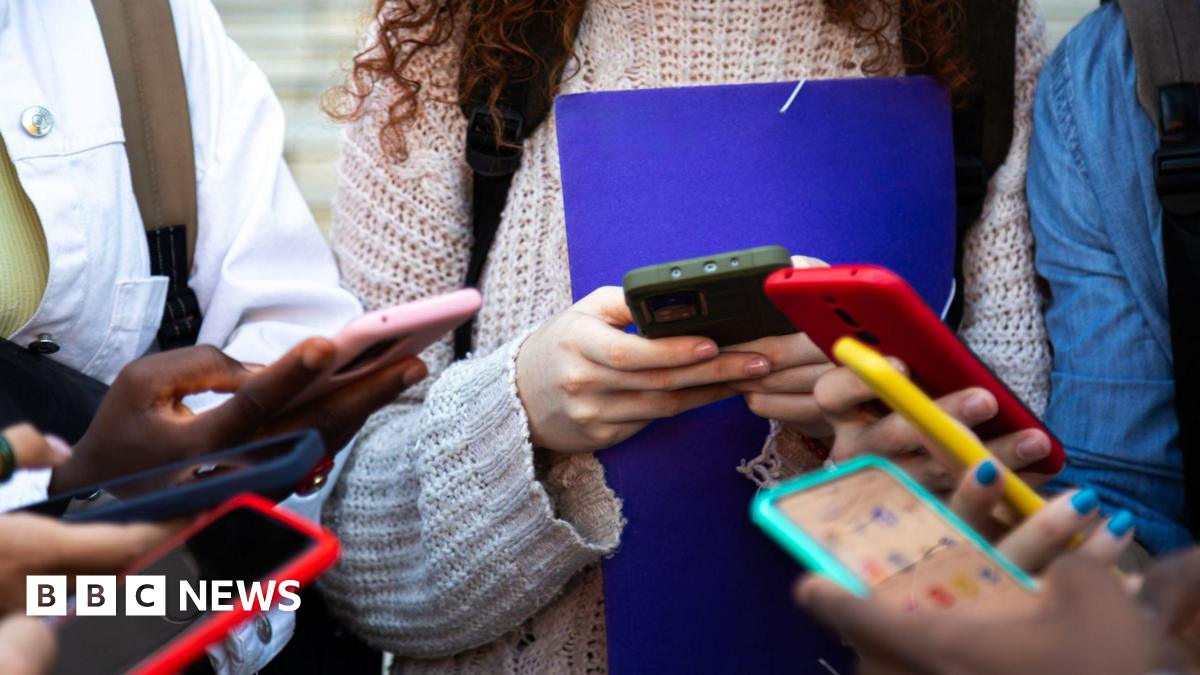
The party says that under its proposal, apps such as TikTok, Instagram and Facebook would be classified as unsuitable for under-16s “unless these companies fundamentally rewrite their code to remove addictive algorithmic feeds and inappropriate content”.
The age ratings would be enforced by media regulator Ofcom, who could issue fines for companies that do not comply.
Peers in the House of Lords could get a chance to vote on the proposal next week, when the Liberal Democrats seek to add it as an amendment to the Children’s Wellbeing and Schools Bill.
During the same debate, a group of cross-party peers will push a different amendment which would prevent under-16s from accessing social media.
It has been tabled by Lord Nash, a Conservative former education minister, but is jointly-sponsored by Baroness Benjamin, the Liberal Democrat peer and former children’s TV presenter; the Labour peer Baroness Berger and Baroness Cass, an independent member of the House of Lords, who is a paediatrician.
Those involved in the amendment are optimistic it will pass.
The NSPCC (National Society for the Prevention of Cruelty to Children) has urged peers to oppose a total ban saying “action is needed but a complex problem requires more than a blanket solution. Bans are not the answer.”
The charity is backing the “film ratings” approach, arguing that children and young people should be protected but not “shut out from the online world and the benefits it can offer for connection, fun, learning and support”.
The Molly Rose Foundation – set up in memory of Molly Russell who took her own life at the age of 14 after being exposed to images of self harm and suicide on social media – has also expressed concerns about a social media ban.
The charity has warned of “unintended consequences” including “pushing harm to unregulated areas”.
Some social media companies have argued that a ban would be difficult to implement and easy for users to circumvent.
Apps such as TikTok and Instagram generally restrict accounts to those aged 13 or over.
Some of the big platforms also put in place protections for teenagers.
For example, teen accounts on Snapchat are private by default and public accounts are only available to those who are 16 or over.
Snapchat has said it will comply with the ban in Australia but warned that “disconnecting teens from their friends and family doesn’t make them safer – it may push them to less safe, less private messaging apps”.