
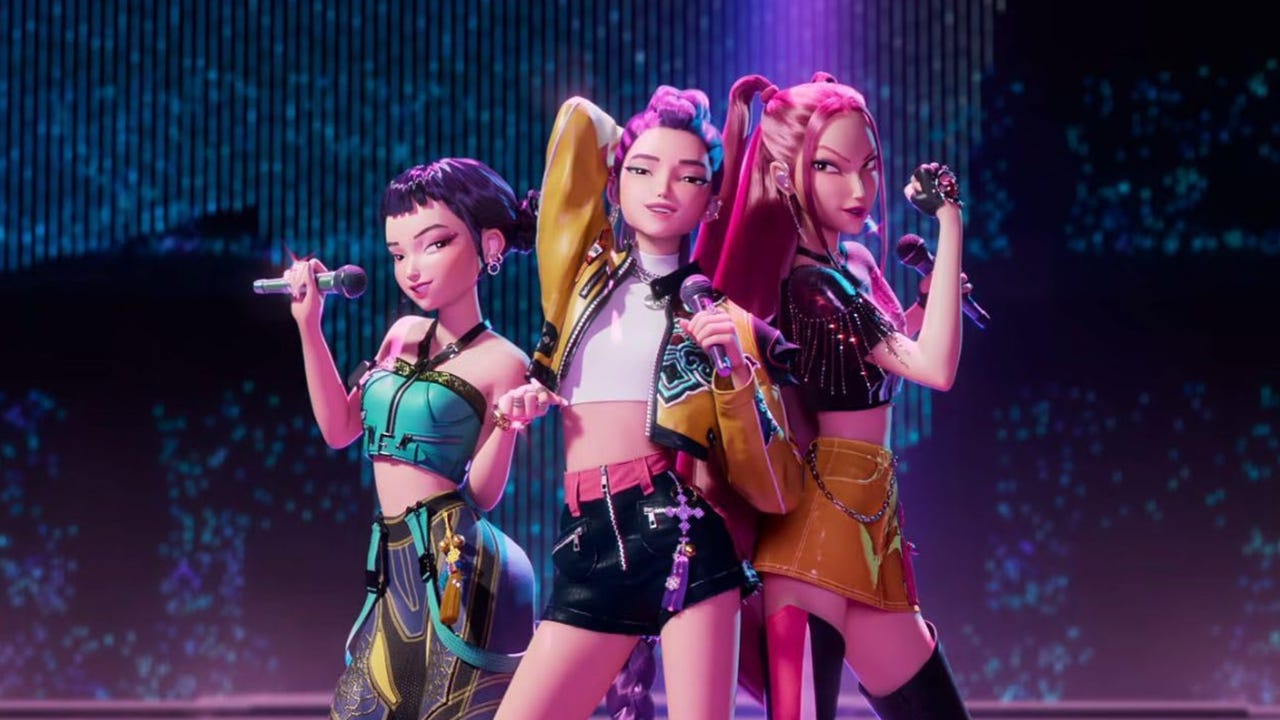
It’s been another big year for Netflix. Stranger Things, KPop Demon Hunters, Frankenstein, Wake Up Dead Man, and a lot more kept audiences glued to the streaming service in spite of price increases and the addition of ad tiers. It was enough to draw even more new subscribers to Netflix by the end of 2025, up 23 million from the last data we got from Netflix a year ago, when the subscriber numbers were at 302 million.
Netflix reported its full-year earnings for the 2025 fiscal year today, reporting $45.2 billion in revenue for the full year (up 16% year-over-year), and with ad revenue rising over 2.5x to over $1.5 billion. View hours were up 2% year-over-year, and total subscribers were at 325 million.
It’s especially notable to be getting subscriber numbers of any kind, as Netflix announced it would no longer be reporting these numbers beginning with fiscal 2025, and we haven’t heard updates since last January. But it’s clear that Netflix has a lot to brag about this year, given that its strategy of price hikes and ad tiers seems to have, annoyingly, worked out well for them.
This comes as Netflix prepares to, pending approvals, acquire Warner Bros. Discovery for $82.7 billion. As discussions proceed, Netflix co-CEO Ted Sarandos has pledged to keep Warner Bros. films exclusively in theaters for 45 days, saying, “When this deal closes, we will own a theatrical distribution engine that is phenomenal and produces billions of dollars of theatrical revenue that we don’t want to put at risk. We will run that business largely like it is today, with 45-day windows. I’m giving you a hard number. If we’re going to be in the theatrical business, and we are, we’re competitive people — we want to win. I want to win opening weekend. I want to win box office.”
Also as a part of the Netflix numbers today, we learned that the company has been amping up its AI use internally, implementing AI systems for subtitle localization, ad customization, and more. It’s an unsurprising move after Netflix already announced it would implement AI-generated ad breaks this year, and after its co-CEOs remarked in 2024 that audiences “don’t care much” about what technology delivers their TV and film.
Rebekah Valentine is a senior reporter for IGN. Got a story tip? Send it to rvalentine@ign.com.