
Inflation in the UK has risen for the first time in five months to 3.4% in December, according to official figures, suggesting the Bank of England will hold off from making a change to interest rates next month.
The Office for National Statistics (ONS) said the annual inflation rate, as measured by the consumer prices index (CPI), increased from 3.2% in November, after falling in October and flatlining in the previous three months. The figure overshot City economists’s forecasts of a modest rise to 3.3%.
Part of the rise was driven by volatile items such as air fares, which always jump over the Christmas period but were compared with a particularly low level in 2024. Higher duties on cigarettes also pushed up the reading.
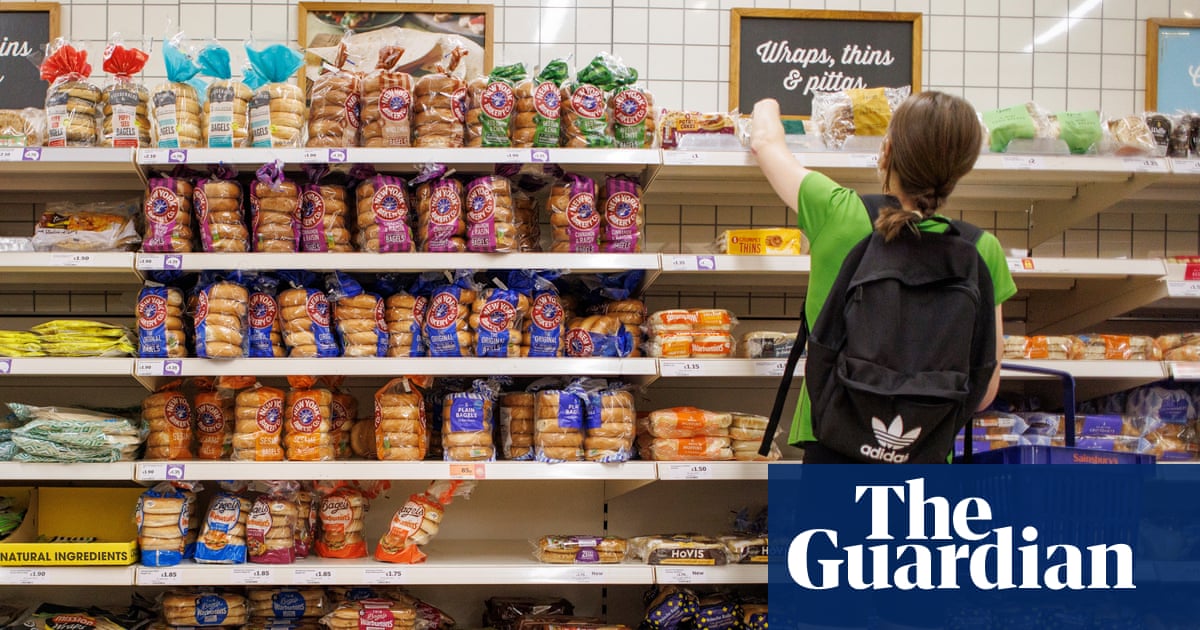
Grant Fitzner, the ONS chief economist, said: “Inflation ticked up a little in December, driven partly by higher tobacco prices … Rising food costs, particularly for bread and cereals, were also an upward driver.”
The increase in inflation suggests the Bank of England’s monetary policy committee (MPC) will keep interest rates at 3.75% when it meets in February. However, most economists now expect a cut in April if price rises in the UK ease over the coming months.
Yael Selfin, chief economist at KPMG UK, said the data likely “closes the door on a February interest rate cut”, although rate cuts later in the year are still expected.
She added: “Despite services inflation increasing in December, this was not reflective of domestically generated price pressures and was largely driven by volatile categories, such as air fares. The MPC will likely look through it, particularly with wage growth continuing to slow, which should see services inflation ease over the coming months.”
The chancellor, Rachel Reeves, made tackling the cost of living a key target of November’s autumn budget, alongside £26bn of tax increases to help repair the public finances and fund the lifting of the two-child benefit cap.
After Wednesday’s CPI figure she pledged that 2026 would be the “year that Britain turns a corner” on inflation.
“My No 1 focus is to cut the cost of living,” she said. “At the budget I announced £150 off energy bills, a freeze to rail fares for the first time in 30 years, a freeze to prescription charges for the second year running, and an increase to the national minimum and living wage.”
Despite December’s rise, inflation is still expected to fall overall in 2026, having been on a downward trajectory since September’s 3.8% reading. The Bank of England expects inflation to near the 2% target by the middle of this year.
The Bank has said it expects her measures, including relief on energy bills, prescription charges and fuel duty – to cut headline inflation this year.
Core inflation, which strips out more volatile items such as energy and food, remained the same as November, rising at an annual rate of 3.2% in November.
Employment figures released on Tuesday also suggest that inflationary pressures on the UK economy are softening, with wage growth slowing in the three months to November to 4.5%, down from 4.6% in the three months to October.