
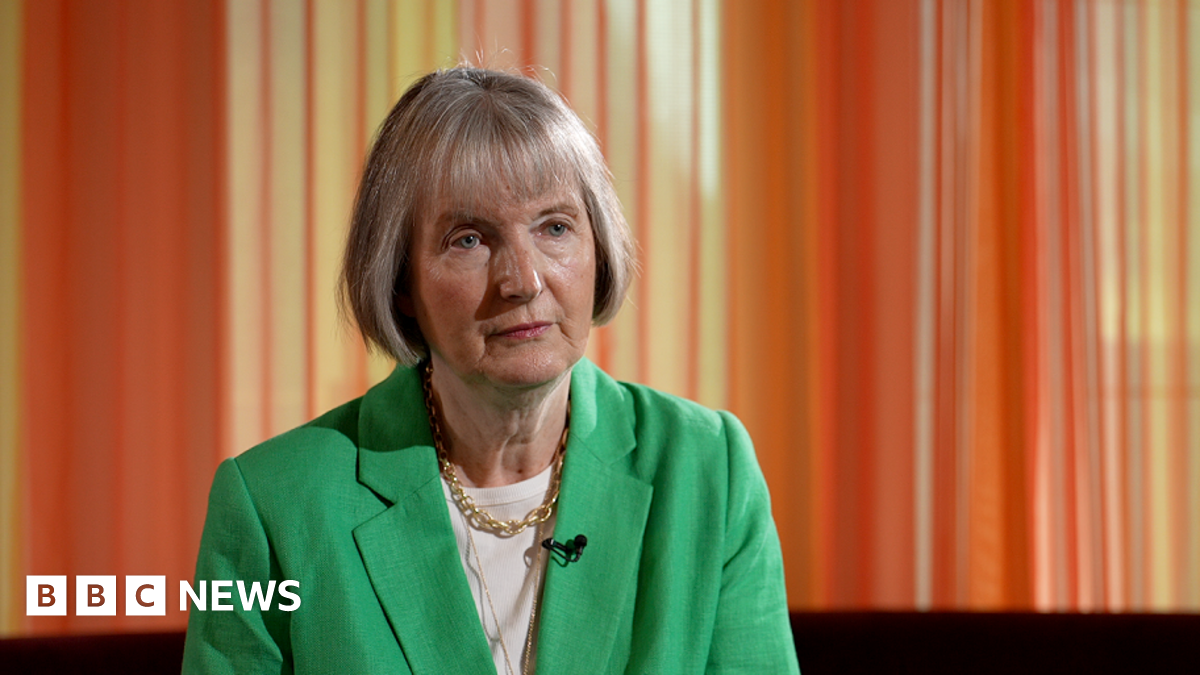
Labour MP Natalie Fleet, who attended the meeting, said the suggestion of appointing a female first secretary of state was put to him by former Labour deputy leader Harriet Harman and he had promised to “take it away”.
The first secretary of state is a role which, historically, has had similar standing and functions to that of deputy prime minister, a post currently held by David Lammy.
Previous holders of the post of first secretary of state include Dominic Raab, Damian Green and Lord Mandelson, during former Prime Minister Gordon Brown’s government.
Barbara Castle was the first woman to be appointed first secretary of state, when Harold Wilson was prime minister in the 1960s.
Fleet said it would be “incredible” if a woman was given that role in Sir Keir’s government.
The Labour MP for Bolsover said that during the meeting, the prime minister committed to meeting victims of sexual violence.
“There are horrendous things that happened to girls and nobody cares and nobody listens,” Fleet told reporters outside the meeting room.
She said Sir Keir was “the best bet that we’ve got”.
“He cares and he is going to deliver,” Fleet said. “And it’s my job to hold him to account. So this feels like a real opportunity out of the worst possible situation.”
Labour MP Rachael Maskell, who was also at the meeting, said the prime minister has “the opportunity to prove he has understood the seriousness of the situation”.
She was one of the first MPs to call for the prime minister to stand down, saying his position was untenable.
At PMQs, Sir Keir defended his former chief of staff Morgan McSweeney, who resigned at the weekend over his role in pushing for Lord Mandelson to be appointed as ambassador.
He said: “I’ve accepted responsibility and apologised for the mistakes that I’ve made.”
The Conservative leader said the prime minister “likes to claim he cares about violence against women and girls”.
Badenoch said: “The truth is he only cares about the victims when he’s trying to save his own skin.”
But Sir Keir defended his government’s record on protecting women and girls against violence.
A source close to the prime minister rejected suggestions of a “boys’ club” in Downing Street, saying there were a number of “highly qualified and capable women that work in Number 10” including cabinet ministers and special advisers “across the whole government who are often forgotten in all of this”.