
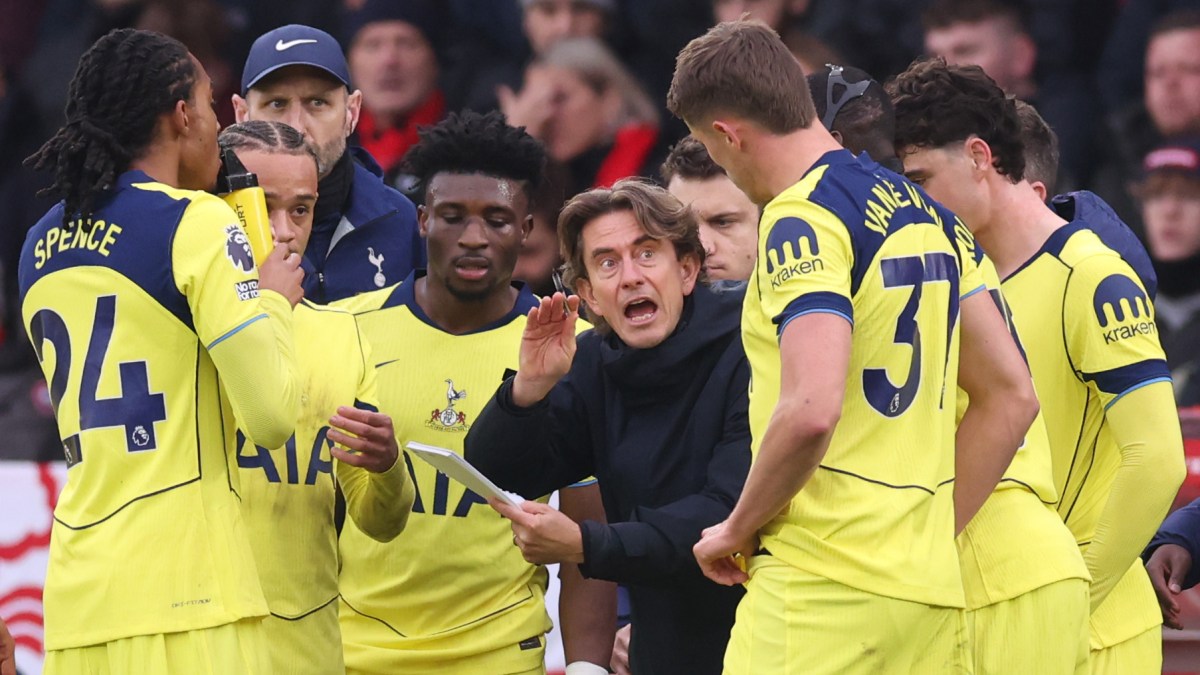
Thomas Frank was brought to Tottenham Hotspur as the master adapter but in the end, the one change the fans wanted was him.
The new hierarchy at Spurs clung on for as long as they could, at first in the belief that the kinks would be ironed out and then out of necessity because of a lack of compelling alternatives. After another boo-fest of a defeat at home to Newcastle United on Tuesday night, Frank’s time was finally up. Tottenham’s chief executive, Vinai Venkatesham, left his seat and decided it was time to act.
Venkatesham was in the stands for Frank’s final game at the Tottenham Hotspur Stadium and saw up close the anger of the fans, although that was nothing new. The clincher was the Premier League table and the very real concern that Spurs, having dropped to 16th place, were plummeting towards relegation. For all the mitigating factors, Venkatesham told the owners the case for continuing was no longer there on the pitch.
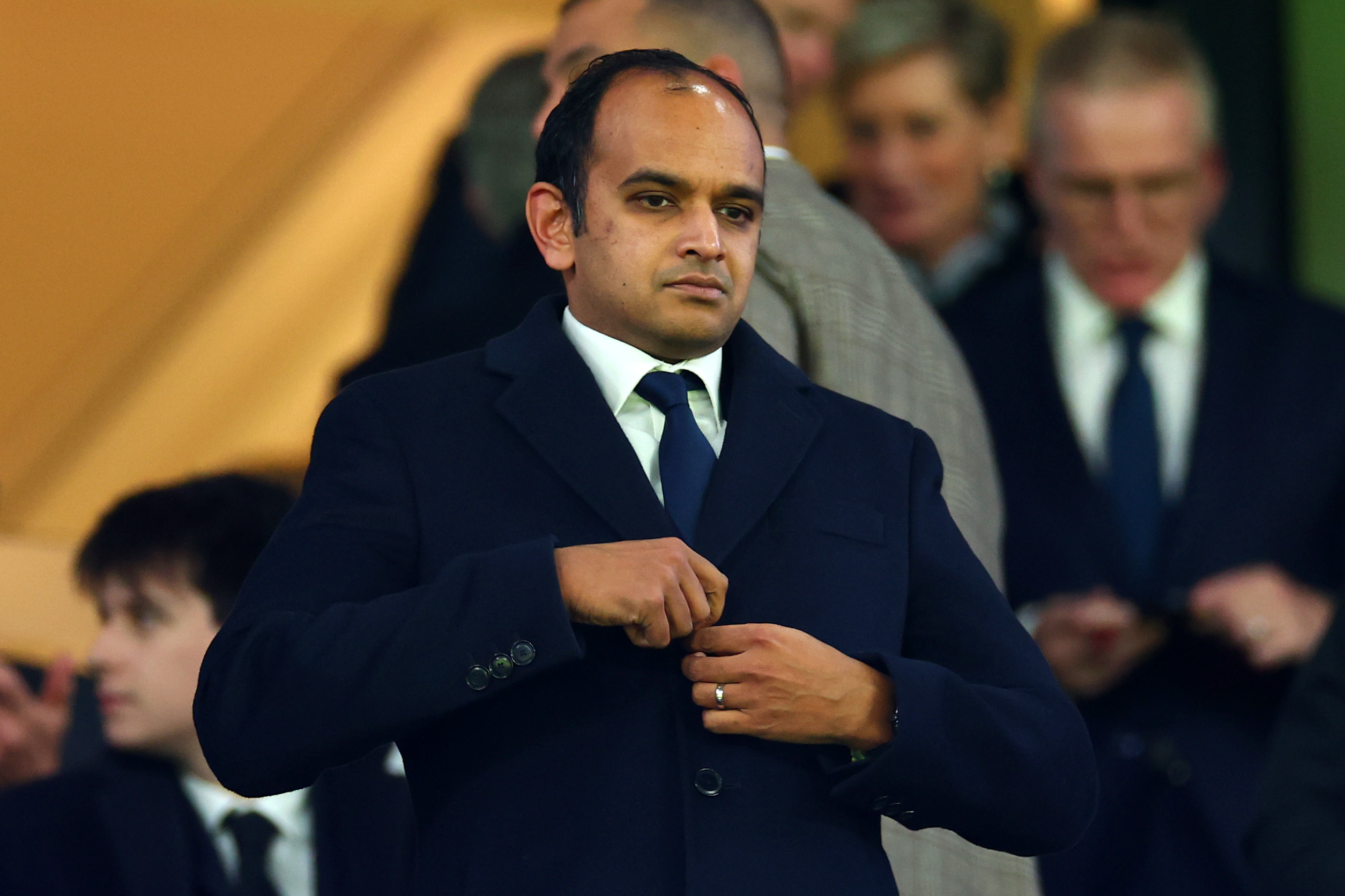
Club CEO Venkatesham has been at the Tottenham Hotspur Stadium to witness the stodgy performances
CHRIS BRUNSKILL/FANTASISTA/GETTY IMAGES)
In June last year, Frank became the last Tottenham manager to be appointed while Daniel Levy was chairman and, just eight months later, he becomes the first in a quarter of a century to be sacked by someone else. The new regime has strived for a “calm and measured” approach but experienced employees at Spurs were still amazed that Frank lasted so long. “Under Daniel, he would have been gone before Christmas,” one said.
Alarm bells were certainly ringing in late September, after a dreary draw at home to Wolverhampton Wanderers, and then again in early November, after the miserable 0.1-XG loss at home to Chelsea. During the November international break, Venkatesham and his two co-sporting directors, Fabio Paratici and Johan Lange, held meetings in the Bahamas with the new Tottenham triumvirate — Vivienne Lewis, Charles Lewis and Nick Beucher — and the message delivered was one of patience. Early bumps in the road were to be expected.
Yet the longer Frank stayed, the more convinced the fans became he just didn’t fit as Tottenham head coach. Performances were stodgy and creativity almost entirely absent. Spurs have averaged 1.05 expected goals per game this season, the fourth-worst in the division, and won only two out of 13 Premier League matches at home. After Richarlison, with seven goals in 21 league appearances, their top scorers are their two central defenders, Cristian Romero and Micky van de Ven, with four. Regular scenes of dissent have meant that the most absorbing part of many Tottenham games this season has been the minutes after the full-time whistle.
And the more Frank worked with the players, the more disillusioned they became with his methods. Training sessions were slow and overly tactical, “always focusing on structure”, said a source, in contrast with fast and open sessions under Ange Postecoglou. And while Frank indicated in the early weeks the defensive emphasis would just be the first phase of work, the second, more attacking phase never really came.
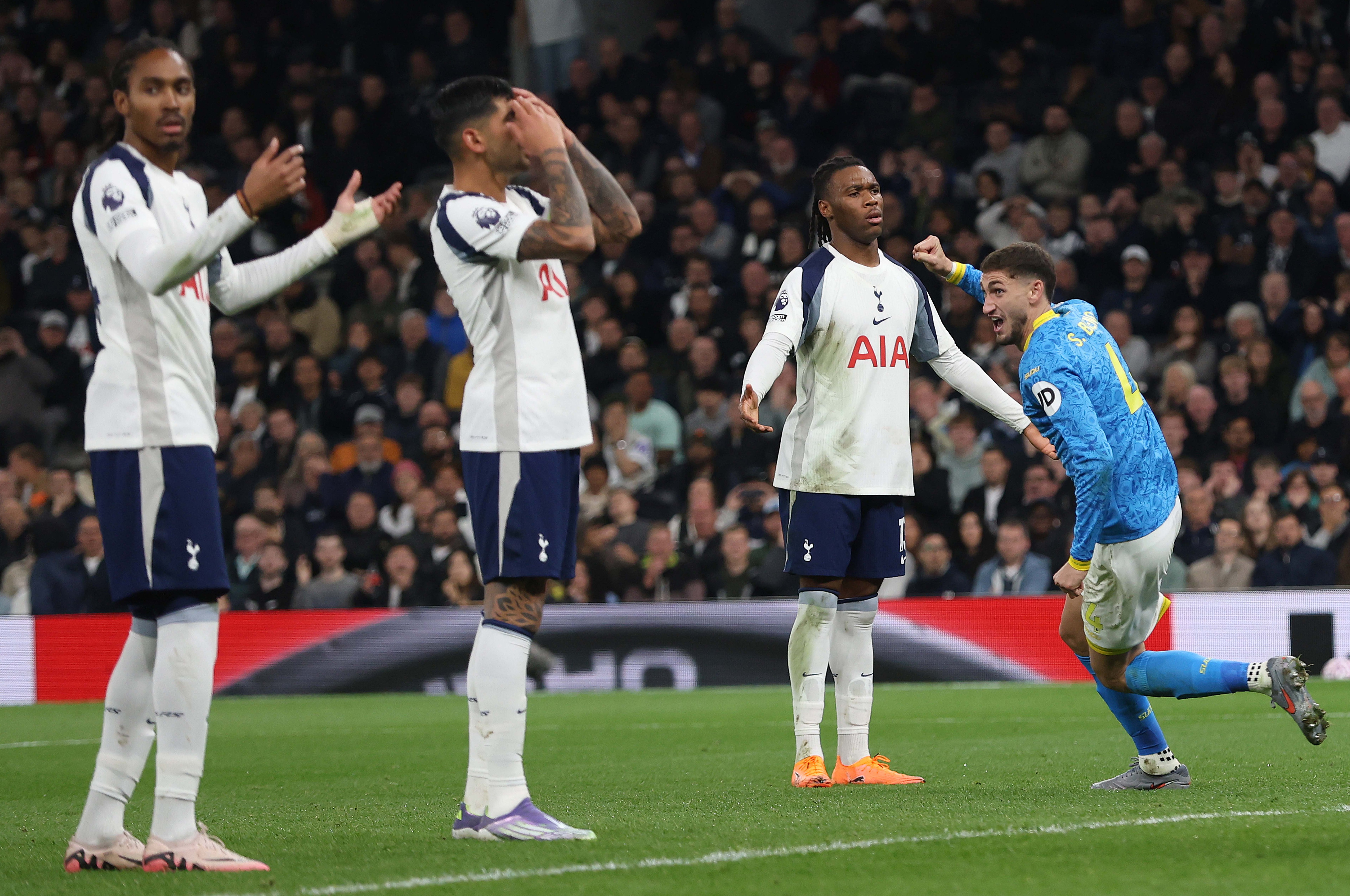
The draw with Wolves — rooted to the bottom of the table — was a particularly low point
CRYSTAL PIX/MB MEDIA/GETTY IMAGES
In that sense, perhaps the lurch from Postecoglou to Frank was just too extreme, an over-correction, as though Tottenham went from one manager who refused to prepare for the opposition to another, who did nearly nothing but. Some of the best coaches in the world are obsessed by analysis but it rankled how even against teams like Burnley, Frank forensically studied the strengths of the opposition. Ironically, one of the more entertaining drills the players enjoyed involved diving blocks and last-ditch defending.
Frank openly argued, with some justification, that Tottenham knew how to attack under Postecoglou but had forgotten the uglier side of the game. But his messaging too often blurred into an ethos that felt like always preparing for the worst. In his first speech to the players, Frank homed in on the tough times; how spirit and character is revealed during adversity. Fans never forgot how in his first press conference Frank tried to convey the need for resilience by announcing: “One thing is 100 per cent sure — we will lose football matches.”
Djed Spence and Van de Ven appeared to ignore Frank after the defeat by Chelsea in November
At Tottenham, staff noted how frustrating Frank found the lack of time he could actually spend on the training ground. Part of Frank’s appeal, after the puritanical methods of Postecoglou, was his ability to develop players and adapt his tactics but Tottenham’s Champions League commitments meant Frank found his weeks dominated by recovery, media and travel, leaving little time for his “special operations”. He said the club and players had to get used to balancing Europe with the Premier League, although another view was that it was more he and his staff who had to make that step up. After all, Tottenham have competed in Europe in 18 of the past 20 years.
Nobody can dispute that Frank inherited a team loaded with problems. His ill-fated picking of Romero as captain was not because he saw Romero as a natural leader, but because Frank felt there were simply no other leaders in the squad. The disciplinary issues were constant and some players were surprised how Romero, in particular, was given so much space to do as he pleased. Perhaps Frank needed to be tougher to instil that culture he enjoyed at Brentford. Instead, he was humble enough to quiz staff early on about his own strengths and weaknesses as a coach. He asked for padel courts to be installed at the training ground but barely lasted long enough to enjoy them.
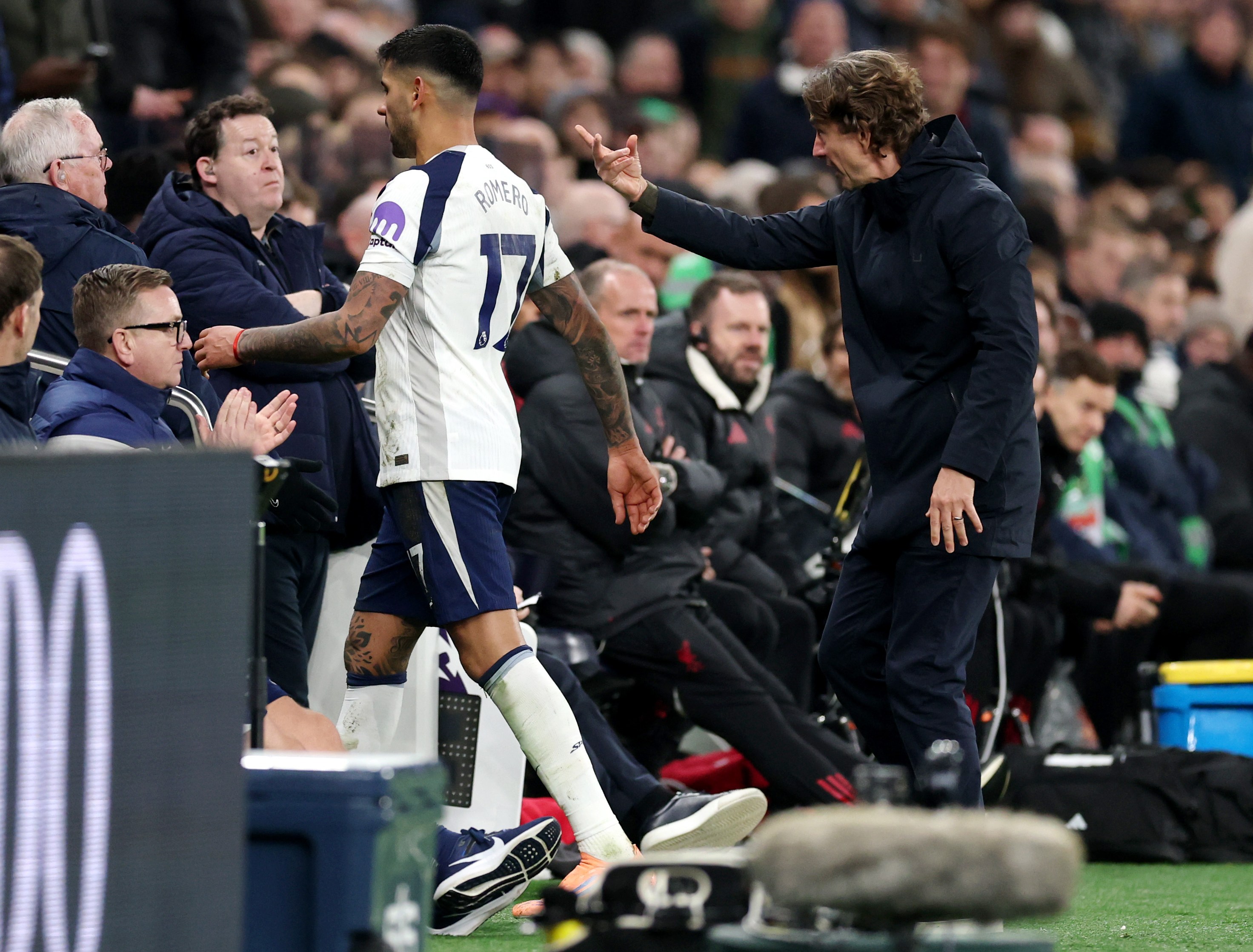
Frank consistently stood by his choice of captain but did not hide his frustration when Romero received a second yellow and was sent off against Liverpool before Christmas
JULIAN FINNEY/GETTY IMAGES
And what is the true quality of this Tottenham squad? Maybe we are about to find out. Spurs won a trophy last season but finished 17th under Postecoglou, only a few places lower than where they might have been without prioritising the Europa League. Despite that triumph, Frank believed only Pedro Porro could play for a really elite European team and there is no doubt recruitment in recent years has been poor. Deals for Morgan Gibbs-White and Eberechi Eze, game-changing creators, were fumbled while injuries wreaked havoc again, especially up front, as Dejan Kulusevski, James Maddison and, until recently, Dominic Solanke were all absent, leaving Frank woefully short of flair in attack.
Last summer, when searching for Postecoglou’s successor, Venkatesham identified ten characteristics of the ideal Spurs head coach and it should be no surprise that Frank, on the back of his stellar work at Brentford, ticked so many of those boxes.
Frank remains an excellent coach and, like many of his predecessors, he will no doubt come again elsewhere. Yet perhaps that was also the club’s first mistake; to look for an all-rounder, a sensible, company man, when in truth, Tottenham is an adrenaline club, where only two characteristics really matter: aim high, play with style. On both counts, Frank failed to deliver.