
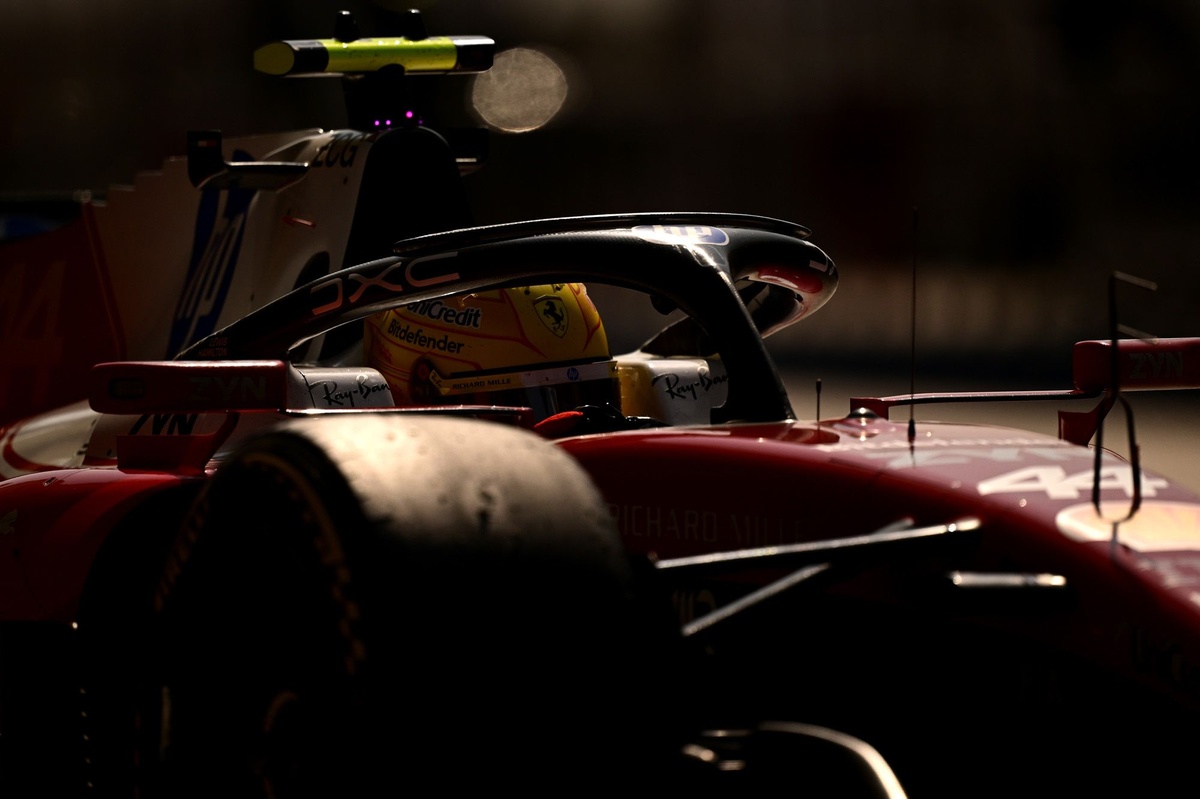
Ferrari returns to Bahrain with a package of aerodynamic updates and a fresh power unit, after the one that debuted in the Fiorano shakedown covered more than 4300 km across the Barcelona and Bahrain Formula 1 tests.
The striking figure that emerges is that the Ferrari 067/6 power unit is said to have covered a distance equivalent to 14 grands prix without showing any reliability issues. The only hiccup appeared on the final day in Sakhir, when the engine shut down a few laps before the end of Lewis Hamilton’s long run.
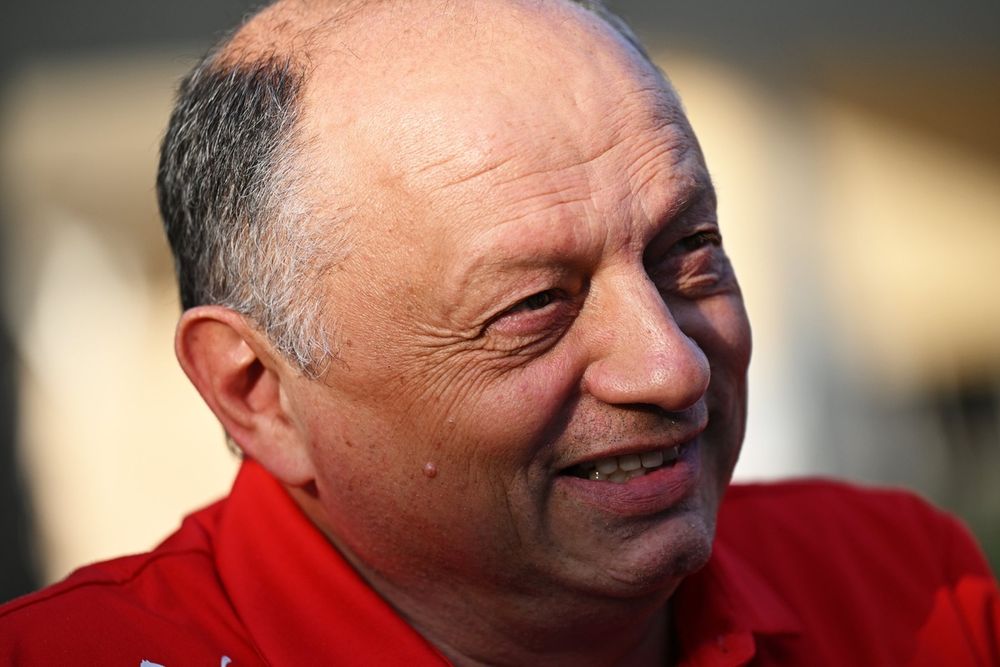
Frederic Vasseur, Ferrari team principal
Photo by: Sam Bagnall / Sutton Images via Getty Images
Fred Vasseur explained that the team carried out a fuel pick-up test to determine the amount of fuel to keep in the tank in order to comply with the FIA’s requirement of one litre remaining at the end of the race for possible fuel conformity checks. Apparently, consumption was slightly higher than simulations predicted, so the data collected is very positive for planning upcoming grand prix simulations.
After its extensive running, the power unit will now undergo wear inspections by Enrico Gualtieri’s staff, Ferrari’s technical director for the engine department.
Therefore, from Wednesday onward, the Scuderia will have a fresh unit available and will almost certainly also use a fresh gearbox. Energy recovery strategies that involve using a shorter gear than normally used in recent years – or certain shorter gears to increase engine revs, which also help reduce turbo response delay – result in much higher loads on individual gears and, in general, on the gearbox. As a result, it cannot be ruled out that necessary reinforcements will be studied to prevent possible failures.
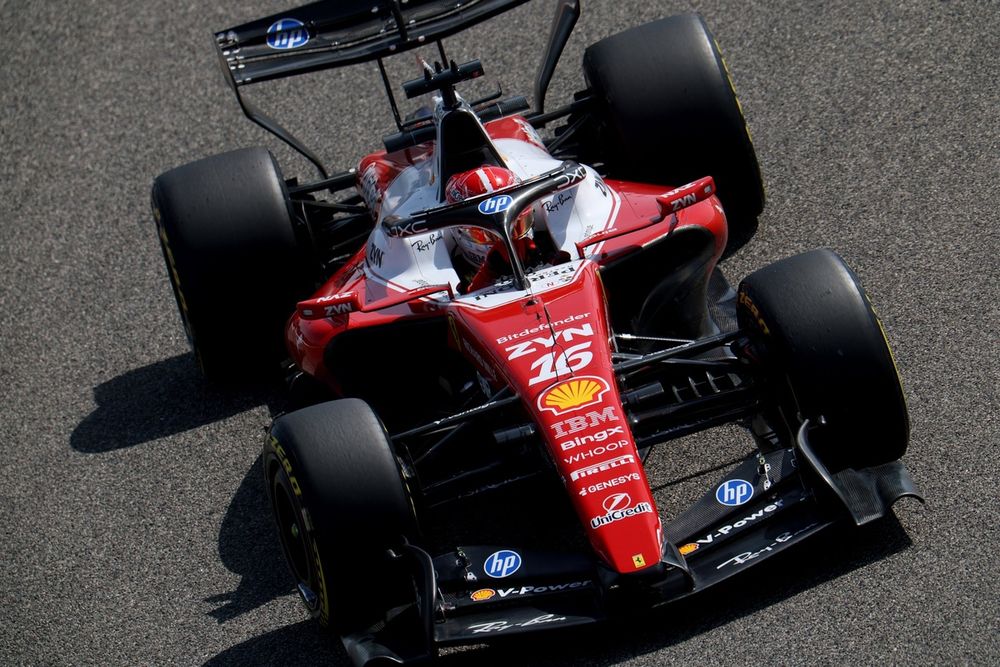
Charles Leclerc, Ferrari
Photo by: Steven Tee / LAT Images via Getty Images
This is not only an issue only for Ferrari and its customer teams, as all teams are closely monitoring transmission wear, which somewhat surprisingly could return to having a performance-related function.
Ferrari: Advantage off the line
It is no secret that during the design phase of the 067/6, Ferrari chose a smaller Honeywell turbine compared to, for example, the Mercedes power unit. The decision was deliberately made to control turbo lag: the goal is to limit the use of the MGU-K during acceleration and instead make greater use of electric energy on the straights. However, the advantage of this solution could become even more significant during the starting procedure.
The start simulations we saw in Bahrain show that, to load the turbocharger and generate the necessary boost for the best launch, it is necessary to push the internal combustion engine to higher rev levels. Those with a larger turbo need more time to complete the correct procedure.
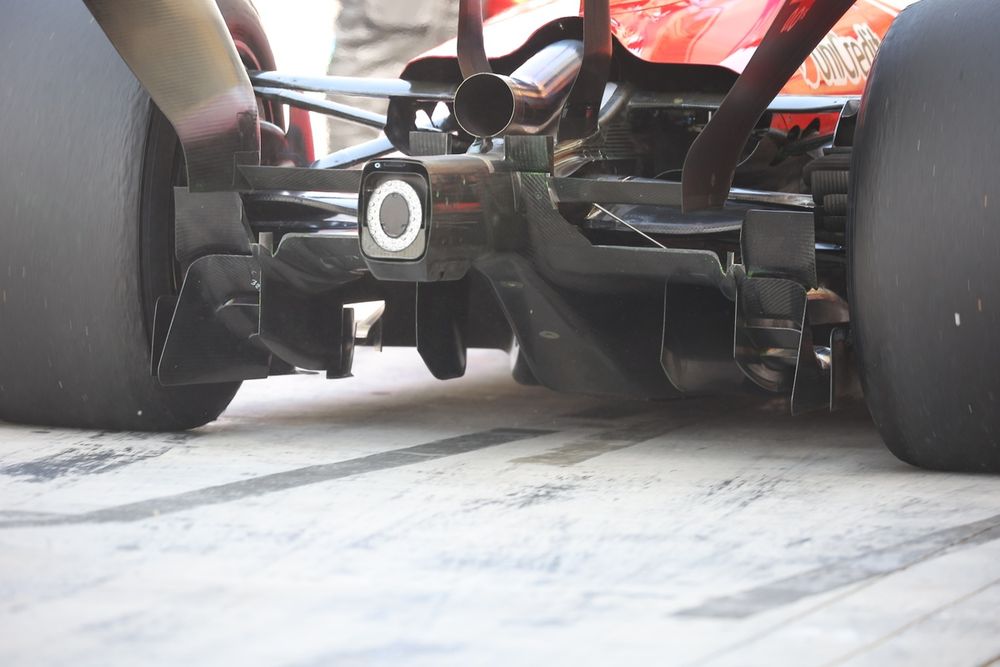
Ferrari SF-26, technical detail of the rear axle: the gearbox will be reinforced to withstand the increased stress
Photo by: AG Photo
In Sakhir, we noticed that it takes around 10 seconds to activate the starting system – time that should arguably be granted to the driver who arrives last at their grid slot, since those on the front rows have all the time they need to arm the procedure.
In Maranello, they opted for the “small turbo” for this reason, which is why Ferrari is opposed to any rule changes – even though McLaren team principal Andrea Stella has raised safety concerns, should there be a risk of a car failing the start and stalling dangerously within the pack.
The F1 Commission will meet this week to discuss the issue, and there is a strong feeling that compromises may be sought on the various issues on the table, including the Mercedes engine’s compression ratio.
Read also:
We want your opinion!
What would you like to see on Motorsport.com?
– The Motorsport.com Team