
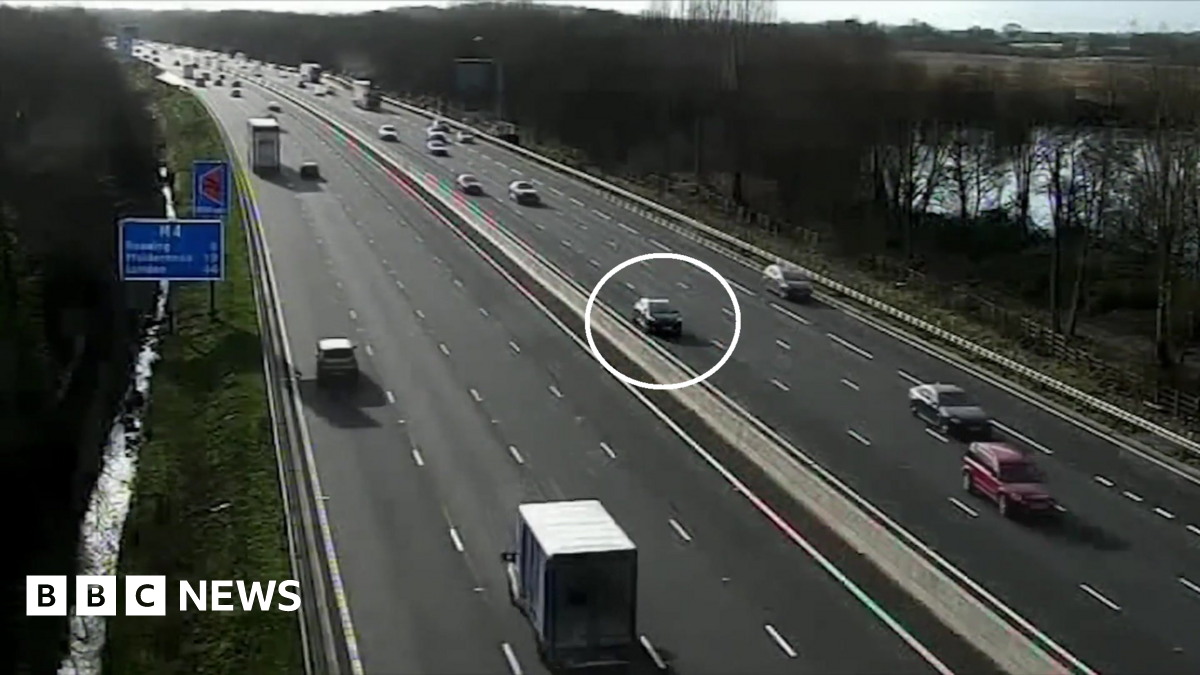
Ian Bridge, representing O’Sullivan, told jurors that the defendant “did not cause this death.
“O’Sullivan and all the other road users were unaware that it (the technology) was not working and they drove along the motorway completely oblivious to the fact that the system had been defective for that time.”
Bridge added that 999 and 101 calls were not passed by Thames Valley Police call handlers to the National Highways control room.
This meant that no warnings could be put on the 14 gantries and lollipop signs along that stretch of the motorway.
Bridge added: “[Dhillon] was stranded for six minutes, there were 14 warning signs, none of them worked. We submit that was the cause of this tragedy rather than any failure on his [O’Sullivan’s] part.”
The jury also heard that O’Sullivan drove approximately 25,000 miles a year as a contract boiler engineer.
He had a clean driving licence and tests showed no trace of alcohol or drugs. There was no evidence he was using his mobile phone before the accident happened.
The airbag essentially saved O’Sullivan’s life. He suffered multiple injuries to his pelvis, back and legs, and remained in hospital for four months after the crash.
Since the crash he walks with the aid of sticks and is unable to work.
On Wednesday, O’Sullivan was found guilty of death by careless driving.