
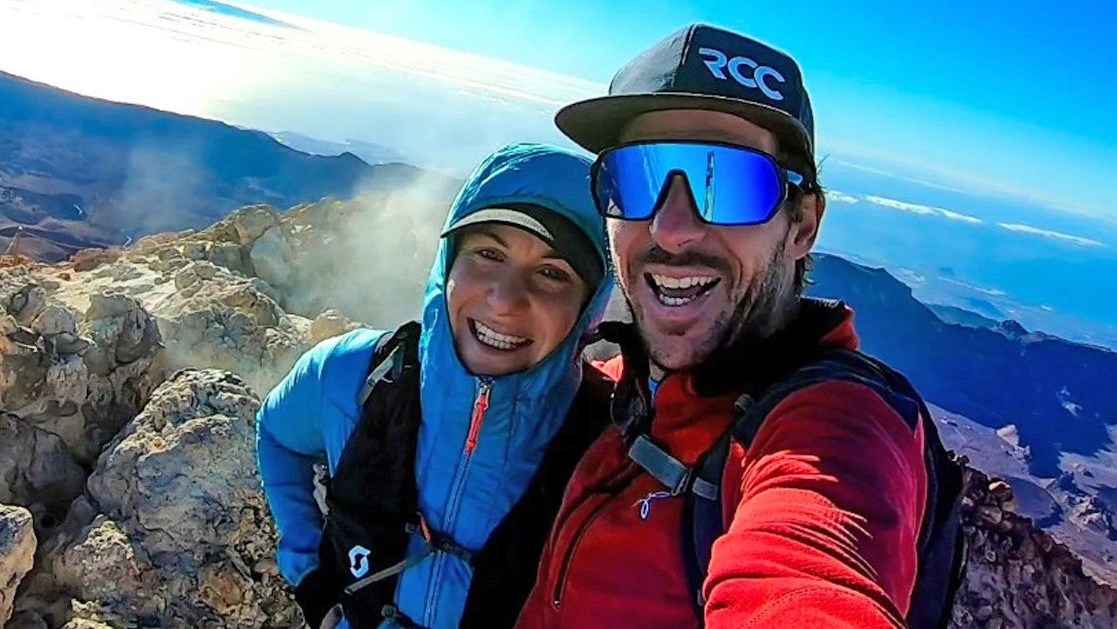
Ascending Austria’s highest peak in the middle of January, the veteran mountaineer Thomas Plamberger and his partner Kerstin Gurtner reached a resting place known as the Breakfast Spot, about a thousand metres below the summit.
It was about 1.30pm on January 18 last year. Had they turned back, they could still have realistically made it to safety in daylight.
They pressed on, however, beyond the “point of no return”, climbing up the treacherous Stüdlgrat ridge in temperatures that sank as low as minus 20C once windchill was factored in.
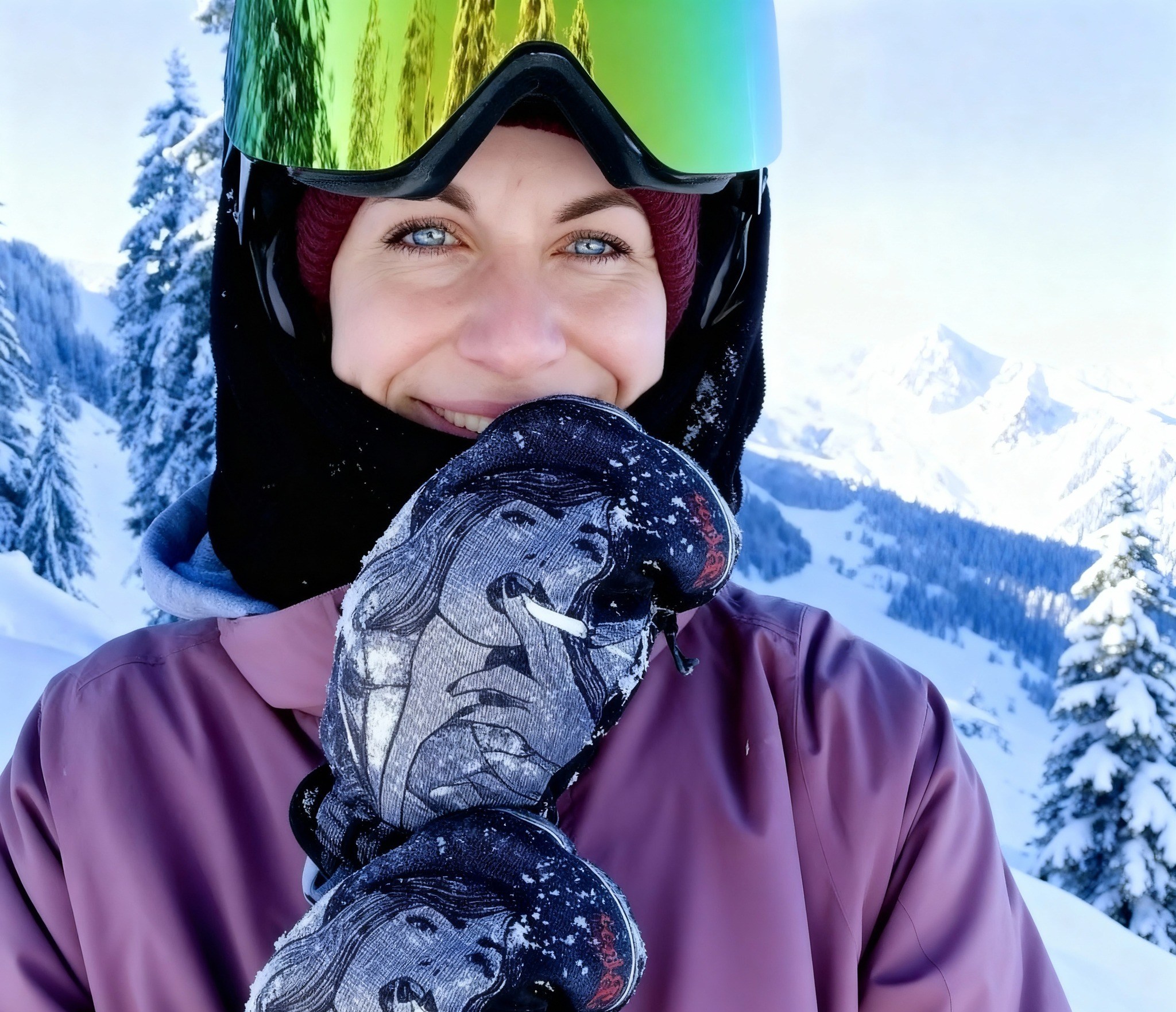
Gurtner died about 50m below the summit
The next day, Gurtner, 33, froze to death only 50 metres from the top of the Grossglockner after Plamberger, 36, had descended to seek help.
What happened in the roughly 14 hours between those moments will be determined at a trial in the nearby city of Innsbruck, which begins on Thursday, and has the world of European mountaineering on tenterhooks.
Prosecutors have charged Plamberger with gross negligent manslaughter, alleging that through a catalogue of nine fatal mistakes, he failed in his duty as a tour guide to his girlfriend.
The purported errors range from setting off two hours too late in the morning to failing to signal for help from a circling rescue helicopter and leaving Gurtner exposed, without the blankets or the windproof shelter they had brought in their rucksacks.
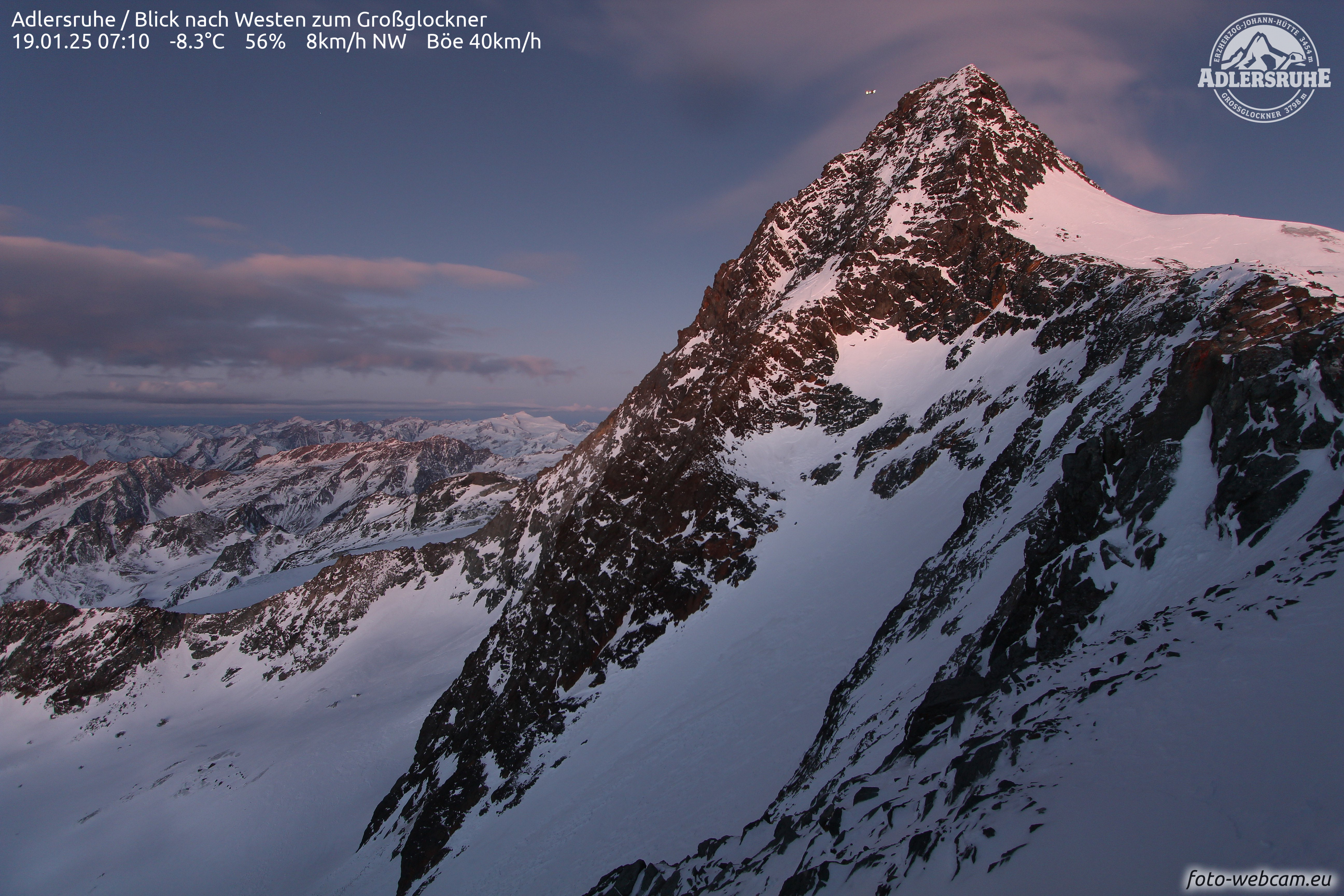
Webcam footage shows a helicopter above what was believed to be the location of Gurtner
If found guilty, he faces not only up to three years in prison but also the prospect of setting a precedent that seasoned climbers can be held legally liable for their companions’ accidents even if they are not working on a commercial basis.
Plamberger’s lawyers did not respond to a request for comment. However, he has vehemently denied wrongdoing.
In a statement published this month, his lawyers said they had asked for the criminal investigation to be abandoned, arguing that the death had simply been a “tragic accident”.
Kurt Jelinek, who is leading the defence team, said: “My client is deeply saddened by the death of his partner. He wishes to express his profound condolences, especially to the family of the deceased.”
Plamberger was quoted as saying that his girlfriend had shown no evidence of tiredness when they reached the Breakfast Spot, and so they had decided to keep going, only for her to “suddenly display increasing signs of exhaustion” as the weather deteriorated.
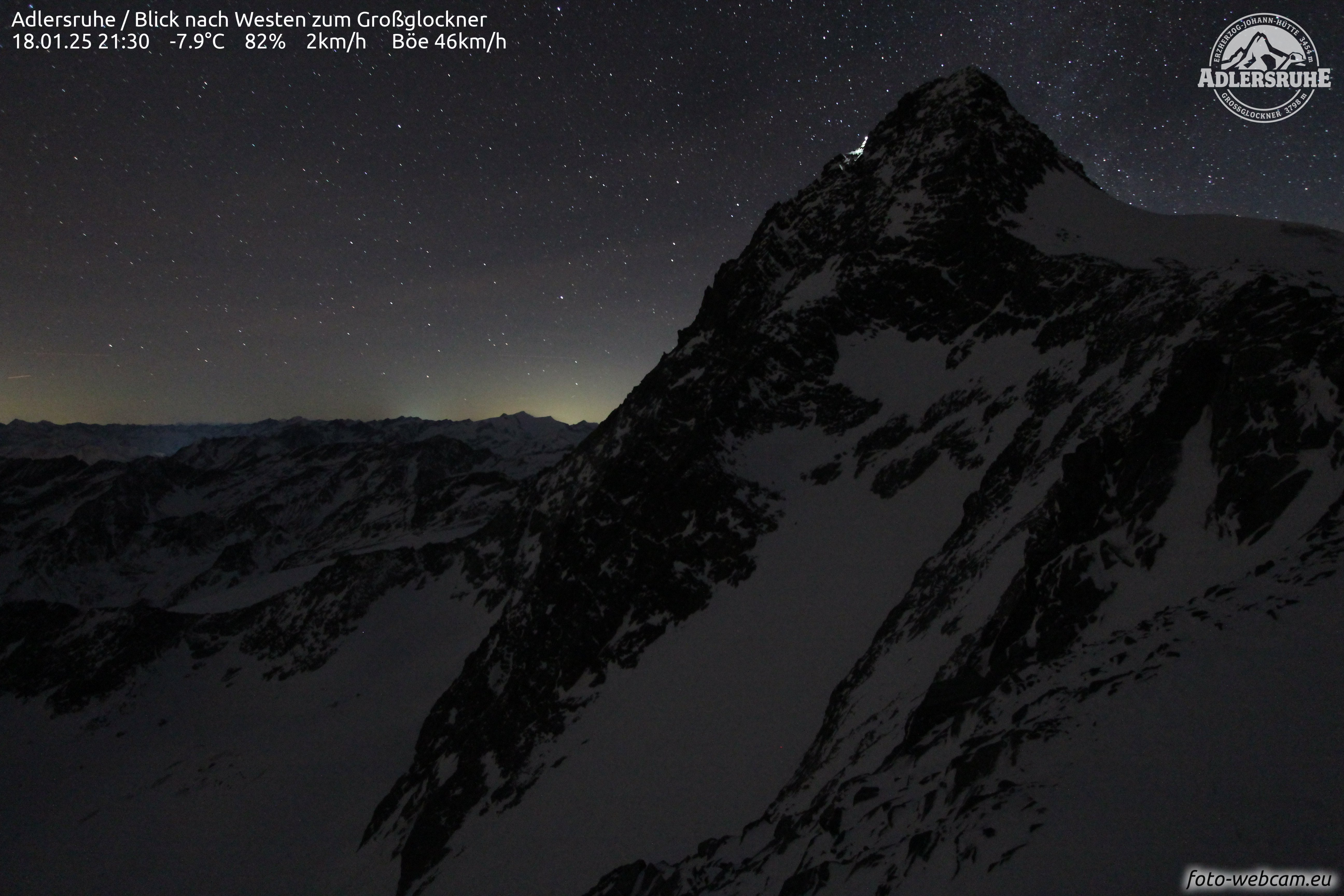
Torch light shows the couple climbing at about 9.30pm
He had been caught unawares, the statement continued, and the situation was “entirely unexpected and objectively unforeseeable”.
However, Stefan Winter, a leading expert on mountain sports who works for the German Alpine Club, the world’s largest climbing association, said if the prosecutors’ version of events was correct, then Plamberger made two grave errors that had caused “quite a stir in the mountaineering community”.
The first was the failure to turn back at the Breakfast Spot and the second was not wrapping Gurtner in the emergency blanket and bivouac sack, a kind of portable shelter.
“That way she would at least have had a better chance of protecting herself against the wind and the cold, and possibly of survival,” Winter said.
“You can postulate that the man was of course in a psychological state of emergency, and certainly he was exhausted, too. I’m sure his judgment would have been somewhat clouded.”
Winter was also mystified that the woman had apparently set out with only soft ski boots and a splitboard, a kit that could be assembled into a snowboard for the descent.
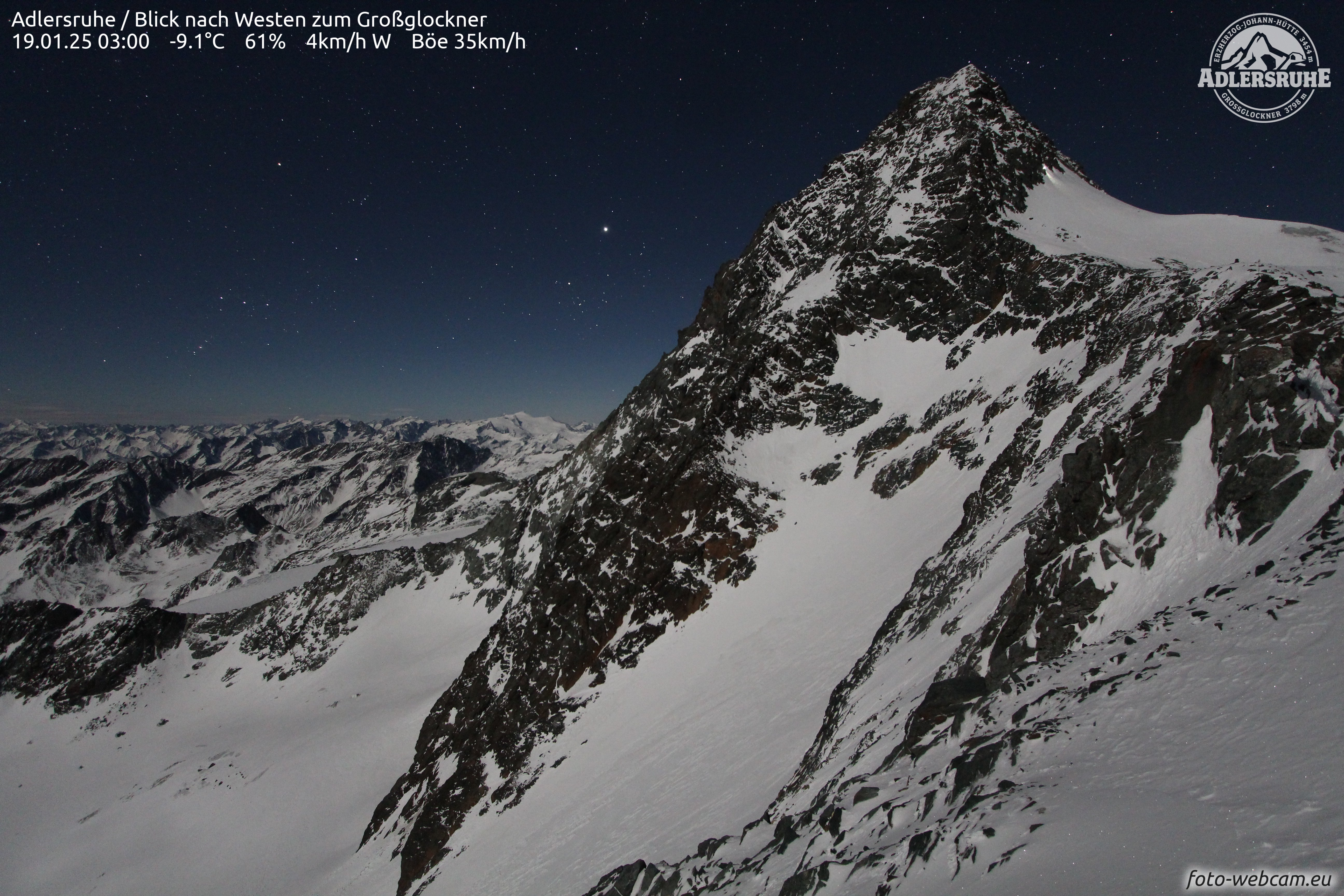
Plamberger’s torch can be seen as he descends alone from the peak
“That’s extremely unusual,” he said. “Even when they were still at home they could have considered that soft boots are completely unsuitable for this kind of climbing in winter.”
Winter said the court’s verdict would have far-reaching implications for mountaineering in Austria and beyond.
“There is still a common notion in a private context [that] the state might not look too closely if it came to injury or death because it was a private matter, especially if it was a romantic relationship,” he said.
“But that’s a misconception. The big lesson learnt for the community is that even on a private tour you have to proceed very carefully and conscientiously and avoid psychological pitfalls.
“For example, a pitfall would be [to assume] ‘the other person will do something and know what to do’, or ‘Out of love, I will follow every step you take,’ or ‘We’ve always done it this way and I’m sure it will work.’”
The Austrian press described the court case as a potential “paradigm shift” because at its core is the idea of the “courtesy tour guide” — the legal theory that when a group of people go climbing without a commercial contract, the most experienced mountaineer can nonetheless be held liable for negligence if there is an accident.
This is something of a grey area in Austrian and German law. In one much-discussed case, a female doctor had a fling with a seasoned amateur mountaineer and they spontaneously attempted a challenging route in the Alps.
The pair got into difficulties and eventually had to be evacuated by helicopter because the woman felt she could not climb down a rock face.
She sued the man to recoup the €8,500 cost of the rescue, arguing that he had effectively agreed to serve as her tour guide and therefore bore responsibility. Her lawsuit was ultimately rejected by the higher regional court in Munich in 2023.