

Ministers are considering ditching Labour’s manifesto pledge to pay young people the same national minimum wage as older workers amid warnings it is fuelling record youth unemployment.
Almost one in six 18 to 24-year-olds are out of work — the highest level in more than a decade — according to official figures released on Tuesday.
Business groups have told ministers they are “pricing a generation of young people out of the workplace” by increasing the cost of hiring workers through rises to the national living wage, wider employment rights and a tax raid on employers’ national insurance.
In response, ministers are reviewing their promise to equalise national minimum wage rates by the time of the next election. A decision could come within months when the government sets its annual remit to the Low Pay Commission, which makes recommendations for rises in the national living wage.
Today workers aged over 21 must be paid a minimum of £12.21 an hour. Those between 18 and 20 receive £10 an hour.
Since Labour came to power there has been a 6.7 per cent increase in the minimum wage for workers over 21 and a 16.3 per cent increase in the cost of hiring someone aged between 18 and 20. This is due to rise by a further 8 per cent for younger workers in April.
The Federation of Small Businesses found that 45 per cent of small companies that employed 16 to 20-year-olds were recruiting fewer workers as a result of the changes.
Three sources familiar with the discussions said there were fears that pushing ahead with further increases to minimum pay would result in businesses cutting the number of younger workers they employ.

The options being considered include slowing the rate of the harmonisation by extending the implementation timetable until after the next election, or equalising rates only for those workers over 20.
A government source said the rising youth unemployment figures had “strengthened the case for a rethink”, adding: “There is no point increasing minimum pay for young workers if they haven’t got jobs to go to.”
• Shevaun Haviland | Lowering barrier for apprentices will let UK invest in the future
The government has already U-turned on increasing business rates for pubs and the right for workers to claim unfair dismissal from the first day of their jobs after concern about the wider effect on hiring and business.
Alan Milburn, the Labour former health secretary who is leading a government review into the number of young people out of work, said he would “look at” rises in the minimum wage.

Alan Milburn
RACHEL ADAMS FOR THE TIMES
He told the BBC that 45 per cent of 24-year-olds not in employment, education or training had never had a job. “Obviously when an employer takes on a young person, it’s always a risk for a very simple reason: they’re unproven,” he said.
“So what we’ve got to do is to make sure we’re minimising the risks and maximising the incentives … We risk a generation on the scrapheap. The system isn’t working, either on the demand side or the supply side. And that does entail radical change.”
Figures released by the Office for National Statistics showed that youth unemployment had risen to 16.1 per cent at the end of last year, the highest level since 2014.
The Resolution Foundation think tank said youth unemployment was higher than the EU average for the first time since records began in 2000. The rate in Europe was 14.9 per cent in the final three months of last year.
The overall unemployment rate was near a five-year high of 5.2 per cent in the three months to December, up from 5.1 per cent in the three months to November.
Kate Nicholls, the chair of UKHospitality, said the rising numbers of unemployed young people was “heartbreaking”.
“My industry has always been at the forefront of giving chances to people who are furthest from the labour market,” she said. “To have those opportunities taken away because the government has taxed them out of existence is ludicrous and heartbreaking.”
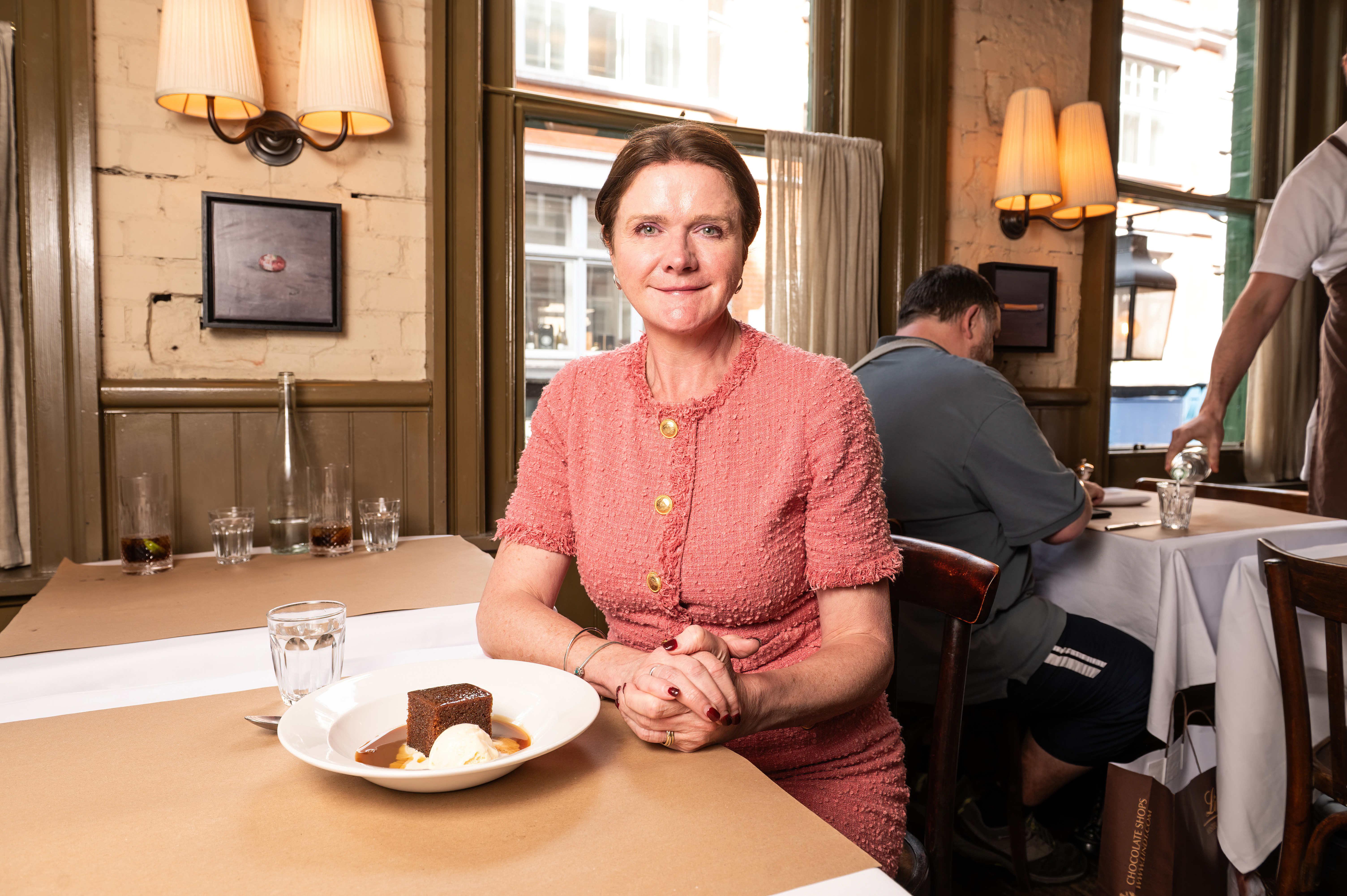
Kate Nicholls
SONJA HORSMAN FOR THE TIMES
Tina McKenzie, policy chair of the Federation of Small Businesses, said if ministers were serious about tackling youth unemployment they needed to look again at their policies.
“From this April, compared to the start of last year, it will cost 26 per cent more to employ someone on the 18-20 rate — the same wage bill that covered a team of five young people will soon only stretch to four,” she said. “Small businesses want to give young people opportunities, but the government is making it harder and harder to do so. If the government is serious about tackling youth unemployment, it cannot keep piling costs and regulatory burdens onto the very employers most likely to give a young person their first job.”
Louise Murphy, senior economist at the Resolution Foundation, added: “We must urgently turn our attention to the UK’s unemployment problems. At the end of last year almost one in six young people who wanted to work couldn’t find a job. Unemployment risks climbing even further in 2026. Getting youth unemployment down in this country — along with the share of young people who aren’t in education or training either — must be a top priority for 2026.”
Pat McFadden, the work and pensions secretary, said there were 381,000 more people in work since the start of this year, but added there was “more to do to get people into jobs”.
“Our £1.5 billion drive to tackle youth unemployment is a key priority and this month we announced that we’ll make it easier for young people to find and secure an apprenticeship, which comes on top of our investment to create 50,000 new apprenticeships,” he said.