
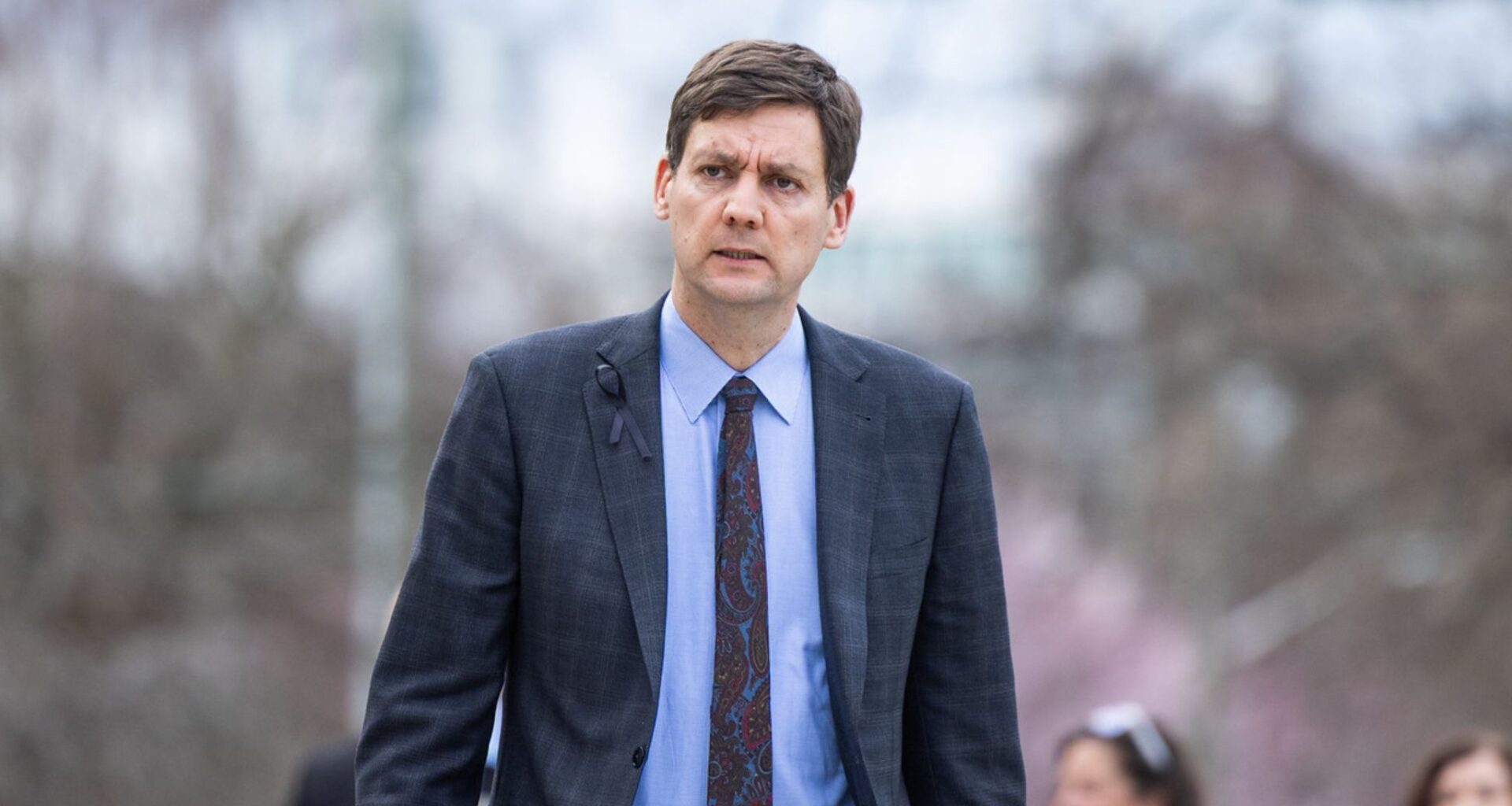
The Province revealed the details behind the latest B.C. budget, and the response from organizations, experts, and residents has been anything but celebratory.
Some of the key components and takeaways from the latest budget include dialling back the pace of new housing and major infrastructure construction starts, hikes to property and income tax, and extensive job cuts.
The Province also revealed that it is facing a deficit of $13.3 billion, a historic all-time high.
One piece of the budget that has seen less criticism is the increase to speculation and vacancy taxes, with some applauding the move and others saying it should be higher still.
Starting in 2027, B.C. government’s Speculation and Vacancy Tax rate will increase by 1% to reach 4% for foreign owners. This is the second consecutive year of an increase. #bcpoli #vanpoli #vanrehttps://t.co/gmGtprCzID
— Kenneth Chan (@iamkennethchan) February 18, 2026
What are the other parties saying?
Reaction to the B.C. budget came quickly and fiercely, especially from the province’s other political parties.
Rob Botterell, the BC Green Party Finance Critic and MLA for Saanich North and the Islands, said that the budget maintains the status quo and that the status quo “isn’t working.”
“British Columbia needs a budget focused on the health of people and communities—not one that ties the province’s prosperity to LNG expansion and fossil fuel dependency. The BC NDP’s key financial strategy—Look West—looks lost,” Botterell said.
Botterell’s condemnation didn’t stop there, with him suggesting that the budget is made to keep industry happy. Botterell also called out the BC NDP for dropping its commitment to $10 a day daycare, something many families around the province have been in desperate need of.
The Conservative Party of British Columbia didn’t hold back, calling the budget “an assault on seniors, working families and small businesses.”
“The NDP have turned their back on the people working hardest to make ends meet and the seniors who built this province,” said Peter Milobar, B.C. Conservative finance critic.
“The 2027 budget hammers working families with a $1.1 billion annual tax increase by increasing provincial income taxes on the lowest bracket and freezing the indexation of tax brackets until 2030 – a hidden hike,” a release from the Conservatives added.
What experts and organizations are saying
The BCGEU, which just overcame a historic strike and job action that impacted various sectors in the province, also criticized the budget.
A statement from the union said, “While the government is calling this budget a stabilizing budget that preserves public services, the reality is that the failure to make the necessary changes to revenue and invest in these public services will amount to cuts to how public services are delivered.”
BCGEU President Paul Finch said, “In difficult economic times, the people of B.C. rely on public services. Healthcare. Child care. Public safety. Our members are not the cause of this deficit; they are essential to the solution.”
The BCGEU did offer some positive feedback, saying that the budget makes an effort to consider revenue generation and taxation, adding that it doesn’t go far enough “to deliver fair value on our resources or to make strategic investments in our workforce.”
Some groups that advocate for the climate were taken aback by the budget.
The Sierra Club BC issued the following statement: “Today’s budget is deeply worrying for everyone who cares about future generations. Continued emphasis on resource extraction priorities at the expense of climate solutions and Indigenous-led nature conservation is short-sighted and will lead to unmanageable damages and costs in the future.”
The Business Council of British Columbia (BCBC) said that prior to the budget being released, it pressed the need for the province to “stabilize its fiscal trajectory” by restraining spending and improving conditions for the private sector, adding that the Province failed to achieve both.
“B.C.’s finances have unravelled at a breathtaking speed over recent years as spending growth has far outpaced revenue growth. Households and businesses also face around $4 billion in tax hikes over three years to try to plug the fiscal hole in a further blow to private sector economic activity,” said David Williams, BCBC’s vice president of policy, in a statement.
The Fraser Institute called it “disastrous” while offering some hope.
“It’s time to reduce deficits and rein in debt, which will require the government to curb its spending habits. Fortunately, there are plenty of options to find meaningful savings,” the institute said in a statement.
What the rest of British Columbians are saying
Residents are just as alarmed about the budget as political rivals and organizations in B.C.
“The NDP reminds me of a person who spends recklessly on their credit card [and] then finds out they cannot pay their bill. Only in this case, they are using our money,” said one Daily Hive reader.
Another reader asked, “Massive L on the part of the NDP. Why are they raising taxes on low-income people who can’t even make ends meet to begin with?”
“Alberta looks pretty good right 1771473194, NDP governments have never been good at accounting anywhere in Canada their motto is spend spend spend,” another comment stated.
“Thanks for nothing, NDP,” said another Daily Hive reader.
The conversation around the budget has gotten quite loud on social media, too.
On the Vancouver subreddit, some shared their concerns about real estate in the latest B.C. budget.
“Private builders were never going to build more housing in a recession, but jacking up their costs while not doing much to mitigate the high cost of land is definitely not helping,” a Redditor said.
Another user said, “Shouldn’t be surprising in the drop of housing starts. If the current stock isn’t selling, why would developers build more?”
“We broke,” said someone in the British Columbia subreddit.
Another Redditor said that the Province should’ve kept the carbon tax. Someone else echoed that sentiment, saying, “People don’t like it, but increasing income tax is the right thing to do after eliminating the carbon tax. Eliminating carbon tax was a stupid, but politically savvy policy.”
Comment
by
u/cyclinginvancouver from discussion
What are your main takeaways from the 2026 B.C. budget, and do you know how it’ll impact you most? Share your thoughts in the comments.