
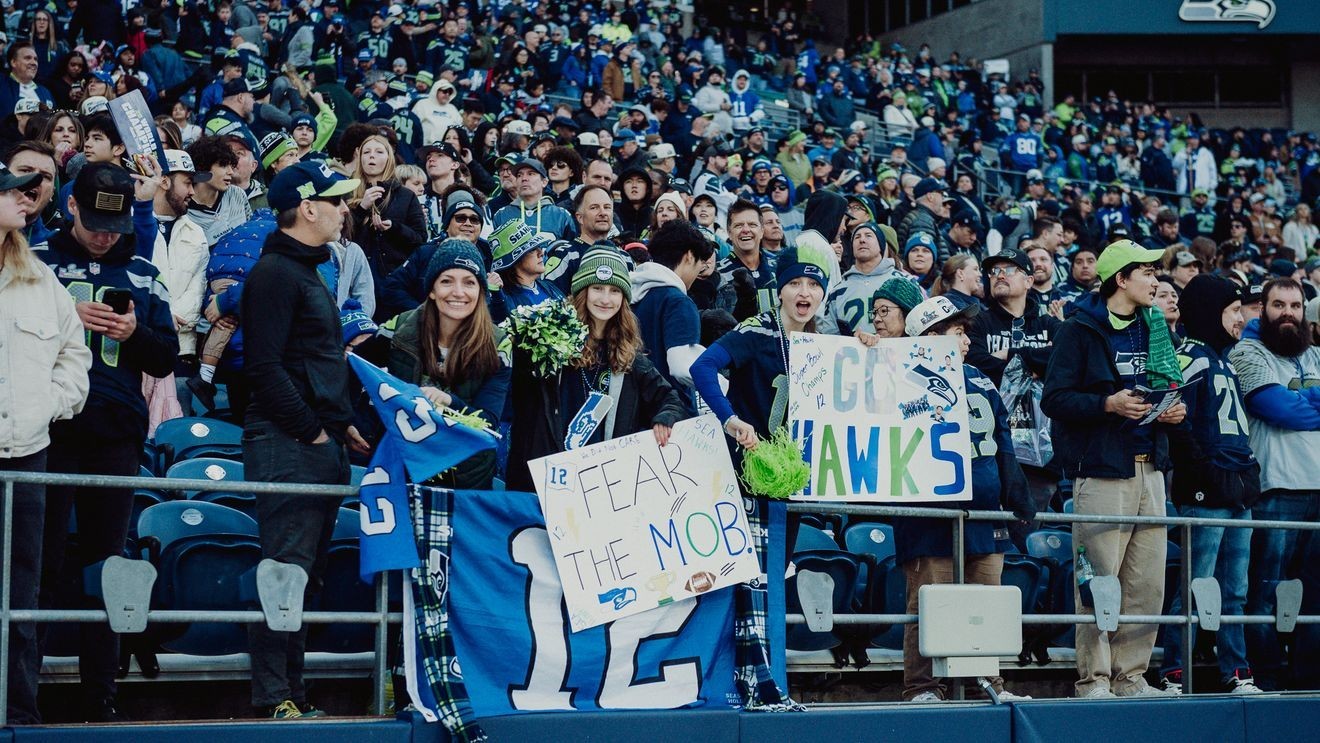
SEATTLE — Listen, even if Seattle knew the sale of the Seahawks was coming as per the will of Paul Allen, it’s still unsettling.
It was 20 years ago that the beloved Sonics were sold to an Oklahoma oil tycoon and gone within two years.
It was Allen himself who saved the Seahawks from a potential relocation by purchasing the team in 1997. Not to mention, the Mariners came close to moving to Tampa Bay in the early 1990s. In short, Seattle fans have been through some close calls and downright traumatic experiences on this front.
RELATED: 12s react as Seahawks set to be sold after Super Bowl win
But this situation is completely different.
For starters:
This isn’t the Sonics situation
This is the one that hurts, of course. The Sonics were purchased by Clay Bennett in 2006, who moved them to Oklahoma City by 2008.
At that time, the Sonics were still trying to find their way back to consistent winners after some rough personnel decisions. Key Arena is in absolute desperation for renovations, and the NBA just came off a stretch where OKC did them a favor by hosting the Hornets in the aftermath of Hurricane Katrina.
It was something of a perfect storm, or the worst storm possible.
This is so different.
The Seahawks are coming off a Super Bowl, Lumen Field is still one of the best home-field advantages in football, and let’s be clear: The NFL is a much different machine than the NBA was in 2006.
The NFL, in fact, put measures in place to keep the Seahawks in Seattle back in the 1990s, fining then-owner Ken Behring for attempting to move the team to Southern California.
In short, the NFL wouldn’t want an entire corner of the country with a high population center to be void of a league presence. Remember, any potential sale has to be approved by the rest of the league owners, who understand the value of the nation’s 12th largest media market (and another top-25 market in Portland just a stone’s throw away).
All of it adds up to it’s highly unlikely that, regardless of the new owner, the Seahawks would move out of the greater Seattle area.
Plenty of PNW ties to power through a sale
When you’re talking about the estimated $8 to $11 billion, that really limits who can buy the Seahawks.
You can compile a logical list, but that’s really just conjecture at this point.
Jeff Bezos obviously and undoubtedly has the money and Seattle ties, despite moving to a private Florida island in 2023. He had been connected to past franchise sales in Denver and D.C, so it makes sense even if there’s nothing official at this juncture.
Bezos’ ex-wife, Mackenzie Scott, makes sense, as would Melinda French-Gates, who could continue the Seahawks as a team owned by a woman, or women.
ALSO SEE: Paul Allen estate announces sale of Seahawks
Steve Ballmer would be a popular pick for his love of the Seahawks. The list goes on, really, in that there are a lot of candidates with the resources and Seattle ties.
That matters in the sense that if any of those people, listed here or not, were to buy the team, they would be much more likely to not even entertain the thought of leaving Seattle.
It would already be unlikely for an out-of-state owner to want to — or be able to do that — but for the people that live here or have significant ties here, the idea of moving would likely be a non-starter.
The Allen Trust is highly likely, barring some way-over-the-top offer, to find one of those partners.
But what about that Lumen Field lease?
Let’s talk about that. Because timing is everything, and it’s why the Seahawks are for sale now, not just after winning the Super Bowl, but after a 25-year clause ended in 2024, where the state of Washington could have claimed 10% of the total sale if the team was sold before that clause ended.
Yes, the Seahawks’ lease with Lumen Field ends in 2031.
Yes, all the rage in the NFL is seeing new stadiums built, even in smaller markets like Buffalo.
But Lumen Field is in great shape still. It’s not a pressing need to have a total rebuild — renovations are welcome at any stadium, really, and are more practical.
When Paul Allen bought the team in 1997, the agreement was contingent on the building of a new stadium to replace the Kingdome, so something similar may happen here. But this all depends on who the new owner is.
If you’re talking about somebody at the level of Bezos’ money, the need for state funds to build a hypothetically desired new stadium is next to zero.
The point here is simple: There’s some time left on the Lumen Field lease. There’s an option to extend that lease if needed. It’s much more likely that upgrades are made than starting from scratch.
Whatever the stadium situation is, it is stable and not a major concern.