
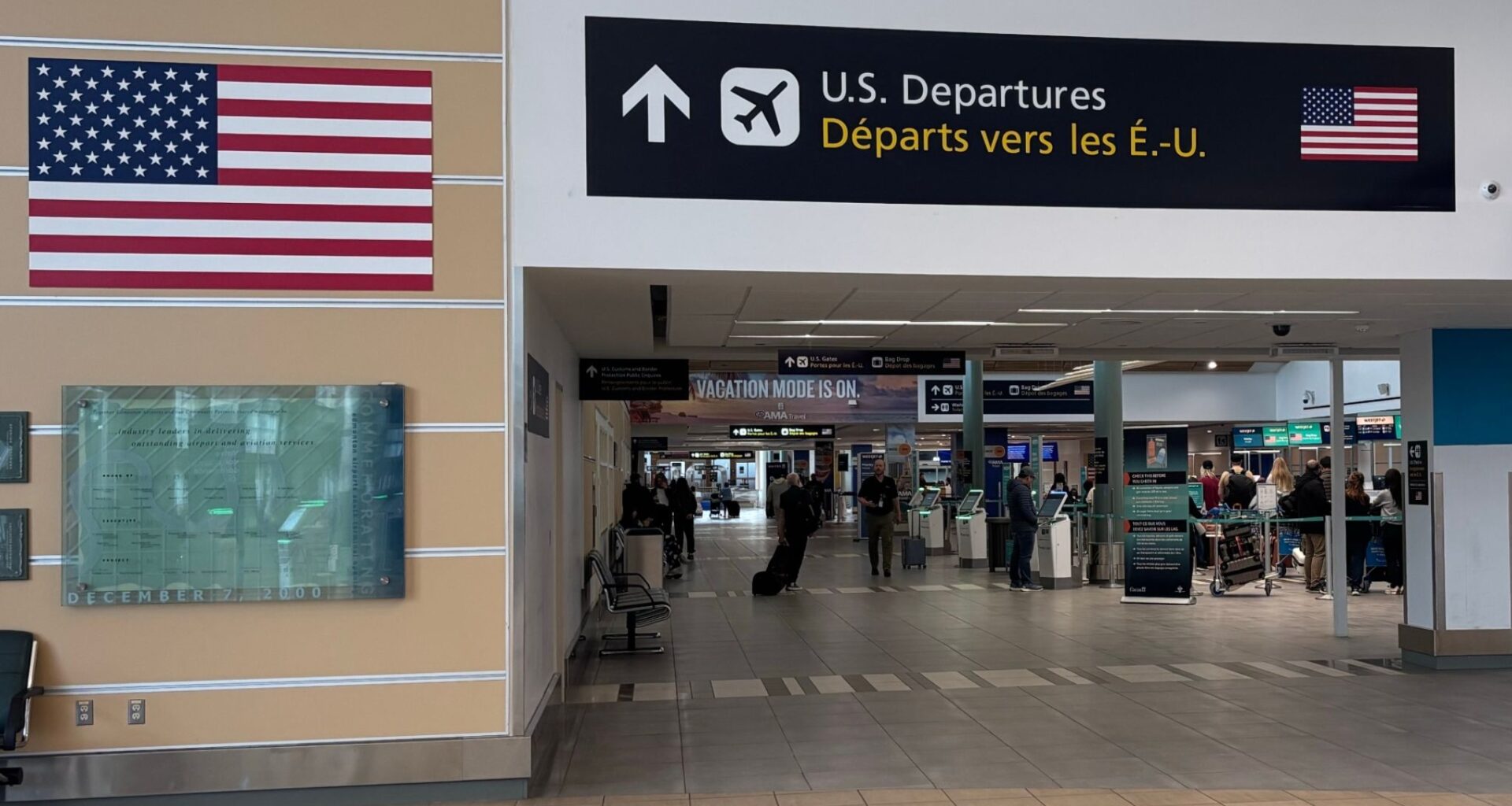
Canada has issued an important update to its U.S. travel advisory that could affect travellers heading south.
On Thursday, the Government of Canada updated its U.S. travel advisory, making changes to the entry and exit requirements. The latest update could impact First Nations persons and Native Americans born in Canada.
“You may be able to cross the Canada-U.S. border by land or water with your Secure Certificate of Indian Status (SCIS), also known as a secure status card,” reads the update. “However, the acceptance of all status cards is entirely at the discretion of U.S. officials.”
It’s also important to note that secure status cards aren’t accepted travel documents for air travel. According to Indigenous Services Canada, the government started issuing status cards in 1956 as an official identity document confirming registration under the Indian Act.
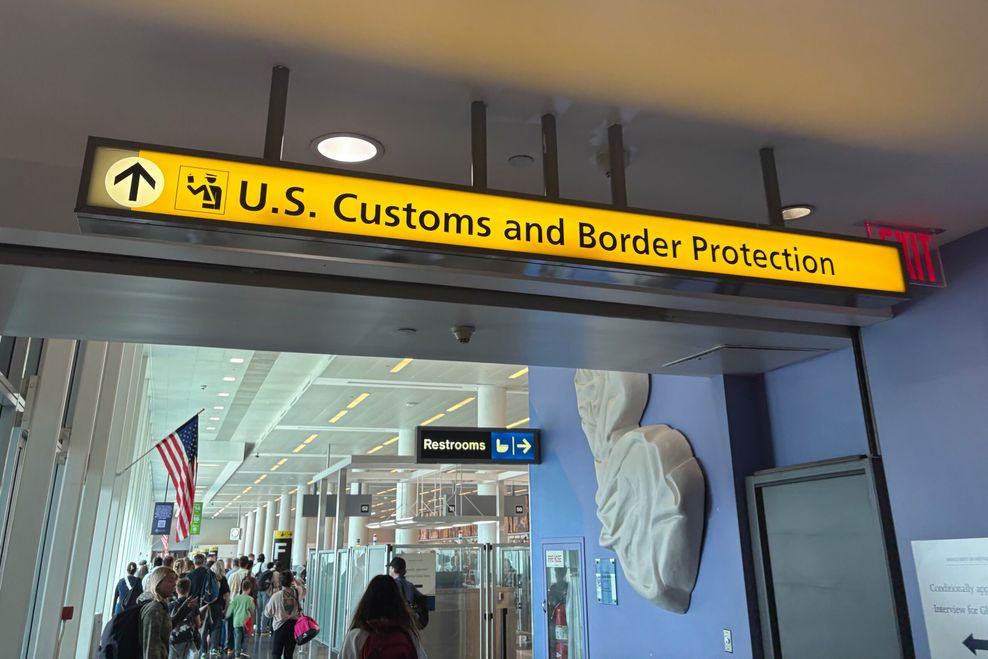
Adam McCullough/Shutterstock
As a result, when crossing the U.S.-Canada border, travellers are strongly advised to bring a valid passport in addition to a valid machine-readable secure status card.
According to the U.S. Embassy and Consulates in Canada website, the 1794 Jay Treaty “provides that American Indians may travel freely across the international boundary.”
“Under the treaty and corresponding legislation, Native Indians born in Canada are entitled to freely enter the United States for the purpose of employment, study, retirement, investing, and/or immigration,” reads the statement.
Canadians registered under the Indian Act who plan to live or work in the U.S. may need to provide documentation proving the required percentage of Indian blood under U.S. law.
Travellers are being reminded that the Canadian government can’t intervene if they don’t meet the entry or exit requirements for the U.S.
“Individual border agents often have significant discretion in making those determinations,” warns the advisory. “U.S. authorities strictly enforce entry requirements. Expect scrutiny at ports of entry, including electronic devices. Comply and be forthcoming in all interactions with border authorities. If you are denied entry, you could be detained while awaiting deportation.”
Read the full update on Canada’s travel advice for the U.S.